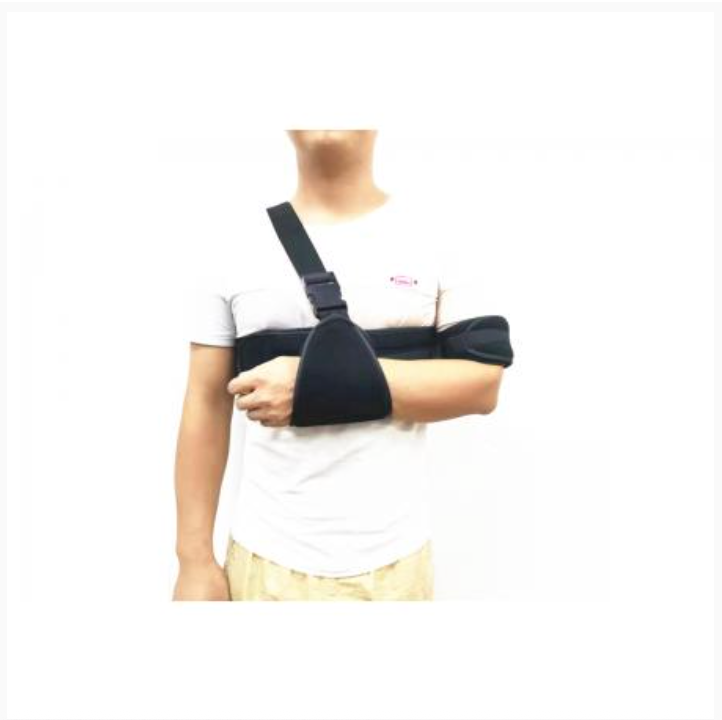
Shoulder braces made from neoprene help with recovery in three main ways. The material's closed cell design keeps warmth trapped around the injured area, which can raise tissue temps about 2 to 4 degrees Fahrenheit. This warmth actually boosts blood circulation by roughly 30 something percent according to studies. Next up is the compression aspect. Most shoulder specific models provide between 15 and 25 mmHg of pressure. This helps cut down on swelling while getting more oxygen to those sore tendons and ligaments. And finally there's the feel factor. When someone moves their arm, the brace constantly touches the skin, sending signals to the brain about where the joint actually is in space. This kind of feedback is super important when someone is coming back from an injury, as it acts like an internal alarm system that prevents them from overdoing things too soon.
There's solid research backing the effectiveness of this approach for various shoulder issues. When dealing with partial thickness rotator cuff tears, wearing neoprene braces can cut down on pain by around 40% after just two weeks. These braces help take pressure off the supraspinatus tendon while people go about their normal activities. With tendonitis cases, keeping the area warm consistently helps reduce stiffness when doing repetitive movements, which speeds up recovery time by roughly 30%. For those suffering from adhesive capsulitis, commonly known as frozen shoulder, patients see better results when they combine brace wear with specific stretching exercises. Studies show this combination leads to about 50% improvement in range of motion compared to other methods. The compression from these braces actually works well during mobilization exercises because it offers gentle resistance without cutting off blood flow to the area.
Putting compression on injured joints isn't recommended during those first three days after an injury when inflammation peaks. During this time, pressure inside the joint can actually go up around 18%, which gets in the way of blood vessels expanding properly and slows down recovery. Most medical professionals will tell patients not to wear braces if their swollen area has grown more than about 15% compared to normal size, or if the skin turns purpleish in color. These are red flags for poor blood flow at the microscopic level. Body temperature matters too. When tissues run hotter than roughly 100 degrees Fahrenheit, it usually means there's still a lot of inflammation going on, and keeping heat trapped in there might actually make healing take longer. Braces generally become okay to use again once someone can move the affected joint passively to about 7 out of 10 compared to what they normally do without pain or resistance.
Putting on a neoprene shoulder brace for around 2 to 4 hours each day seems to hit just the right spot between getting proper support and keeping muscles active naturally. The compression helps blood flow better without stopping the shoulder from moving normally. If someone wears it too long though, there's a real chance of developing what doctors call proprioceptive dependency basically when the body gets used to relying on the brace instead of its own strength. That can lead to uncomfortable skin issues or irritation in certain areas. On the flip side, shorter periods of wearing the brace actually help preserve the material over time since it doesn't get stretched out constantly.
Integrate bracing strategically around your functional demands:
Proper care directly determines how long your neoprene shoulder brace retains its therapeutic integrity. Neglect accelerates degradation, diminishes compression efficacy, and creates environments conducive to bacterial colonization.
After using the brace, give it a gentle wash in cool water with some mild soap. Stay clear of bleach, fabric softener stuff, and definitely no hot water since those bad boys will mess with how stretchy and thick the neoprene stays over time. Press down lightly to get rid of extra water but don't twist or wring it out. Let it dry completely on a flat surface somewhere shaded, not near any heaters or direct sun rays. The heat really takes its toll on neoprene material, shrinking it about 15% sometimes and making it weaker forever. If there's still that stubborn smell hanging around, try soaking it for a minute or two in a mix of white vinegar and water (about one part vinegar to four parts water works well). Rinse everything off thoroughly afterward. Most folks in the know say that getting the drying process right matters a lot. Studies have shown that almost half of all braces break down early because people didn't let them dry properly.
Check how tight those straps are at least once a week. When properly fitted, there should be just enough space for a single finger to fit between the brace material and skin without feeling pinched. The brace shouldn't slip when lifting arms either, and we definitely don't want any red marks or indentations showing through after wearing it. Every couple of hours, give the brace a gentle shift around the body to spread out the pressure points and avoid tiny injuries from forming over time. If the panels start getting thinner, the straps stretch out, or the compression feels weaker than before, it's time for a replacement since these signs mean the brace isn't supporting the body correctly anymore. Loose braces can actually raise chances of getting hurt again by about 30 percent while recovering. On the flip side, making it too tight might cut off blood flow back to the heart and mess with how well tissues get oxygenated.
Neoprene shoulder braces aid recovery by providing compression that reduces swelling, trapping warmth that enhances blood circulation, and offering proprioceptive feedback that prevents overexertion during recovery.
For rotator cuff injuries, neoprene braces decrease pain significantly. They help reduce stiffness in tendonitis cases and improve range of motion in frozen shoulder conditions when combined with exercises.
Avoid wearing a brace during the initial three days post-injury, when inflammation is at its peak, or if symptoms like excessive swelling or discoloration appear.
Wash the brace gently in cool water with mild soap and let it dry flat in the shade. Avoid bleach, heat, and wringing the brace to maintain its integrity.
 EN
EN
 Hot News