People are buying shoulder supports all over the place these days, whether they're hitting the gym or just going about their regular day. Athletes grab them before playing baseball or smashing around on the tennis court to keep those shoulders safe from injuries. Meanwhile folks sitting at desks for hours on end or doing physical jobs find them helpful against that nagging pain from constantly reaching and lifting things. The whole trend actually says something interesting about how we think about our bodies now. More people seem to understand how shoulders work mechanically, and there's definitely been a move away from waiting until something breaks down before doing anything about it.
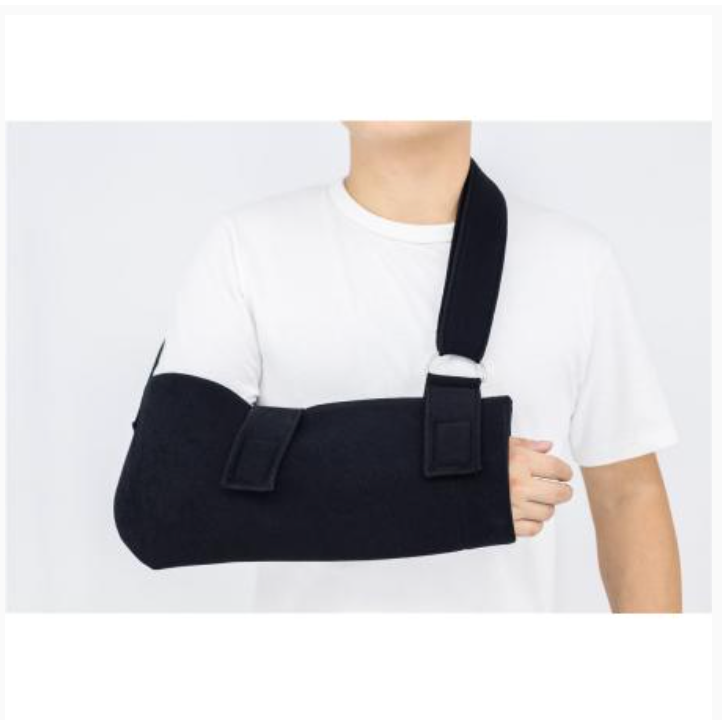
Shoulder braces and compression sleeves employ fundamentally different mechanisms:
| Feature | Shoulder Brace | Compression Sleeve |
|---|---|---|
| Primary Function | Immobilization & stabilization | Circulation enhancement |
| Motion Restriction | High (60–80% reduction) | Low (<15% reduction) |
| Ideal Use Case | Post-surgery recovery or structural injury | Mild tendonitis, fatigue, or early-stage inflammation |
While braces excel at protecting damaged ligaments and maintaining critical abduction angles during healing, sleeves support recovery in overuse injuries through thermal retention and anti-inflammatory effects.
When looking at how different treatments work, there's pretty good evidence showing they aren't all created equal. Take those big rotator cuff tears where muscle and tendon are completely torn away from bone. People who wore medical-quality shoulder braces recovered about 40 percent quicker functionally compared to folks just using compression wraps according to a study published in Clinical Biomechanics last year. These braces actually stop further injuries because they keep the shoulder joints aligned properly while the body heals itself up. On the flip side, simple compression sleeves can cut down inflammation levels by around 32% when dealing with tendonitis in its early stages. The bottom line? Match what kind of support someone needs with how serious their injury really is. Braces tend to work best when there's actual structural damage happening inside the shoulder, whereas sleeves make more sense for situations where inflammation is the main problem. If possible, get advice from a physiotherapist who can look at individual cases through proper exams or even MRIs before deciding on treatment options.
Shoulder braces made from neoprene are still really popular because they offer just the right mix between being flexible enough and providing good support at the same time. The material molds nicely around joints without holding back movement too much. Most people find they can keep moving pretty normally, maybe around three-quarters to almost full range of motion, while their shoulders stay stable where needed after injury. Studies using thermal imaging have shown these braces actually help blood flow increase somewhere around 40 percent, which speeds up recovery for things like torn rotator cuffs. Plus, the way neoprene applies pressure helps bring down swelling since it spreads out force evenly over the whole shoulder area instead of concentrating it in one spot.
When comparing support materials, key differences emerge across three critical dimensions:
| Material | Breathability | Durability | Skin Comfort |
|---|---|---|---|
| Neoprene | Moderate | High | Medium |
| Elastic Blends | High | Medium | High |
| Plastic/Metal | Low | Very High | Low |
Neoprene outperforms rigid alternatives in comfort during extended wear but may cause moisture buildup during high-activity use. Elastic blends offer superior airflow–reducing skin irritation risks by 30% in dermatological trials–while plastic/metal hybrids provide maximum immobilization for severe instability cases.
Shoulder braces today are designed to be worn all day without drawing attention, thanks to special inner linings that wick away moisture and stop sweat from building up. The newer compression sleeves made with holes in the neoprene material actually keep about half as much dampness next to the skin compared to those without holes. These braces are built really low profile so they fit easily underneath regular clothes most people wear daily. According to what many users say online, around nine out of every ten folks don't need to change their outfits when wearing one of these modern braces. And there's something else too important for comfort levels during recovery periods. Those adjustable straps let individuals tweak the pressure level depending on whether their arm is swollen or not at different times throughout the day.
Around 2 million people in the US deal with rotator cuff tears each year, and most need some kind of brace to limit overhead movements while they heal. When there's a shoulder dislocation, doctors usually put patients in abduction braces right away to stop things from happening again. For tendonitis issues, compression sleeves work pretty well because they cut down on swelling without messing with blood circulation. Getting good support makes all the difference in how quickly someone recovers. Research indicates folks who stick with their prescribed bracing see about 30 percent improvement in pain levels sooner than those trying to recover without any assistance. These kinds of injuries are really common across the population.
| Condition | Recommended Brace Features | Primary Function |
|---|---|---|
| Arthritis | Thermal neoprene | Heat retention + joint support |
| Bursitis | Adjustable compression sleeves | Inflammation control |
| Frozen Shoulder | Hinged motion-control braces | Gradual range restoration |
People with arthritis often find relief when using neoprene supports because the material gives off heat that helps them move better, sometimes up around 15 to maybe even 20 percent improvement. For those dealing with bursitis, the key is getting rid of excess fluid so compression gear that wicks away sweat works best there. Frozen shoulders are different though they really need special braces that allow gradual movement. These help fight against the stiffness caused by adhesive capsulitis through gentle stretching exercises over time. When folks ignore what their specific condition actually needs, recovery takes much longer than it should. Studies show that wearing the wrong kind of brace can actually make things worse and extend healing periods by about forty percent in some cases according to doctors who specialize in bones and joints.
Seeing a doctor is really important when dealing with serious injuries like Grade III rotator cuff tears which typically need special immobilizers prescribed by professionals. But what people wear also depends on their everyday life situations. Athletes generally look for something that can handle intense activity without breaking down, plus stays cool during workouts. Office goers tend to want something they can easily hide under shirts without feeling bulky all day long. When trying on these supports, make sure there's about the width of one finger between the strap and skin area to avoid pinching nerves accidentally. Studies show folks stick with customized braces around 58 percent more often than generic ones. These specialized supports find that sweet spot where they still offer good support but don't get in the way of normal activities throughout the day either.
 EN
EN
 Hot News