
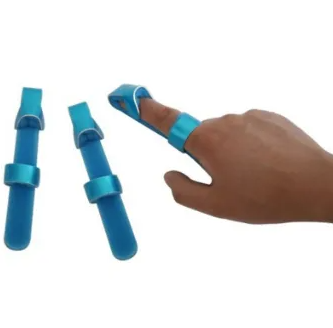
Resolve Persistent Skin Compression And Discomfort Issues Hand therapy clinics and orthopedic wards frequently receive patient complaints about painful skin irritation when wearing standard static finger splints, a widespread challenge that dela...
VIEW MORE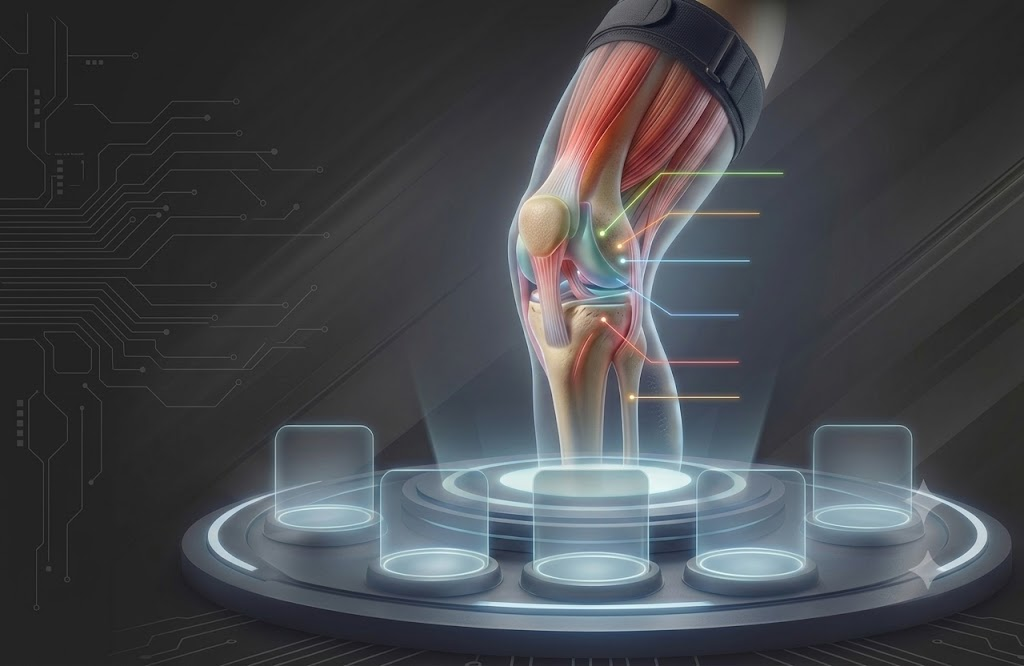
Demand for posture correctors is climbing—driven by desk-bound workers, aging populations, and rehab-conscious consumers. For distributors and private-label brands, that means opportunity. But it also means one critical decision: choosing the r...
VIEW MORE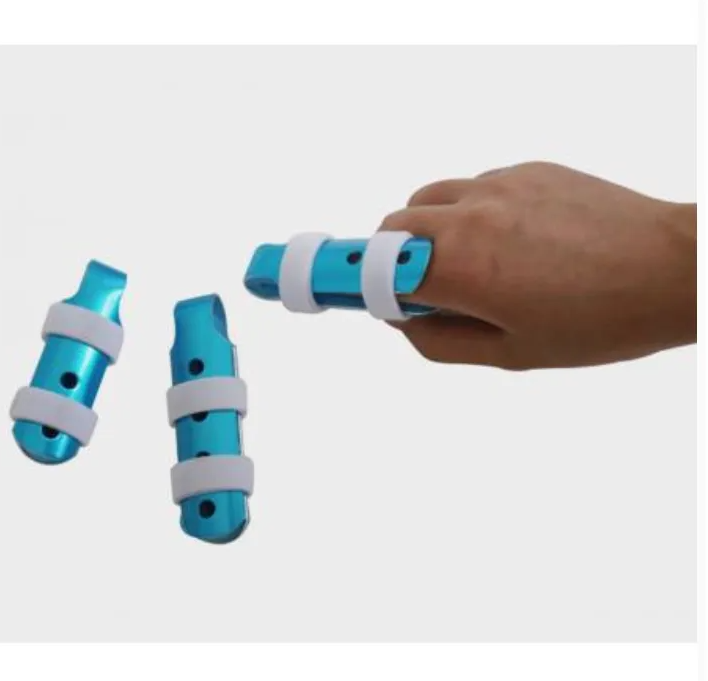
Master Scientific Strap Tightness Adjustment Rules Most users adjust finger support straps arbitrarily without mastering standard judgment standards, triggering two opposite rehabilitation obstacles including blood circulation blockage and unstabl...
VIEW MORE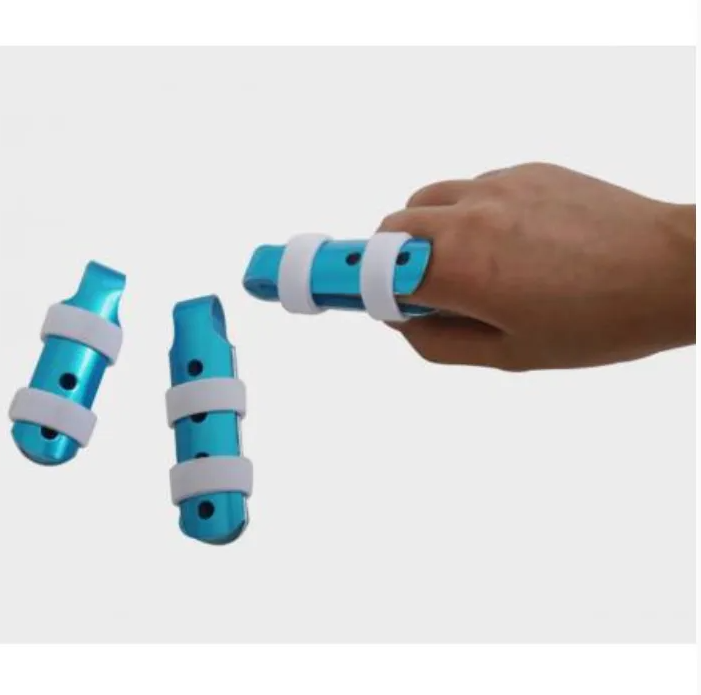
Real clinic operation data contrasts surgical treatment and brace rehabilitation costs Many orthopedic outpatient and rehabilitation center administrators share full cycle financial records comparing surgical intervention and mallet finger brace c...
VIEW MORE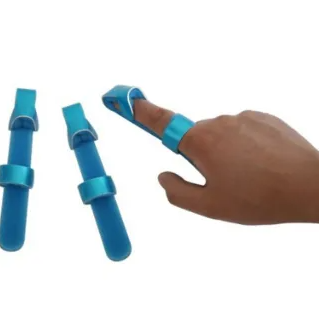
Real trigger finger recovery cases reflect risks from incorrect splint wearing Many hand rehabilitation therapists share consistent clinical recovery data after observing patients using trigger finger splints with improper fitting methods. A long ...
VIEW MORE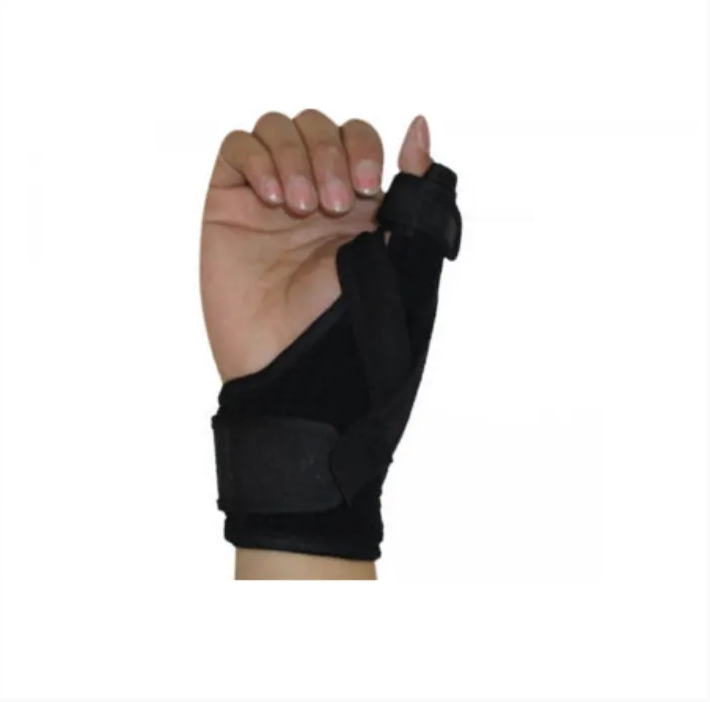
Why Weight Matters in Wrist Recovery Bracing A brace that feels like a heavy cuff around the forearm works against the very purpose of recovery. Excess weight adds inertial load to the wrist extensors and flexors during movement, which can prolong mu...
VIEW MORE
What Happens Inside the Wrist After a Sprain A wrist sprain stretches or tears the ligaments that connect the small carpal bones and stabilize the joint. The immediate result is a cascade of swelling, localized pain, and reduced proprioception, the b...
VIEW MORE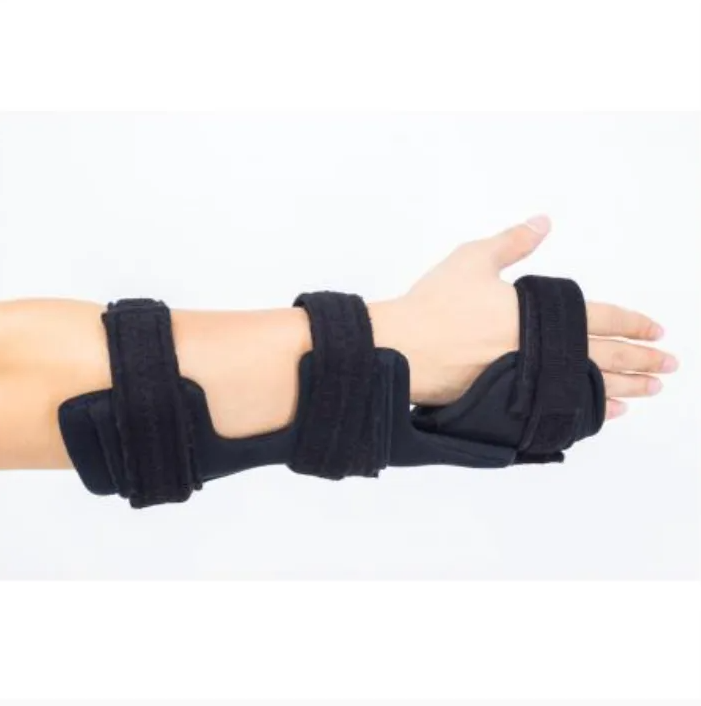
Shifting Expectations for Carpal Tunnel Support in 2026 The conversation around carpal tunnel support has moved well past the one-size-fits-all elastic wrap. Clinicians and experienced users now look for designs that can adapt to changing wrist dimen...
VIEW MORE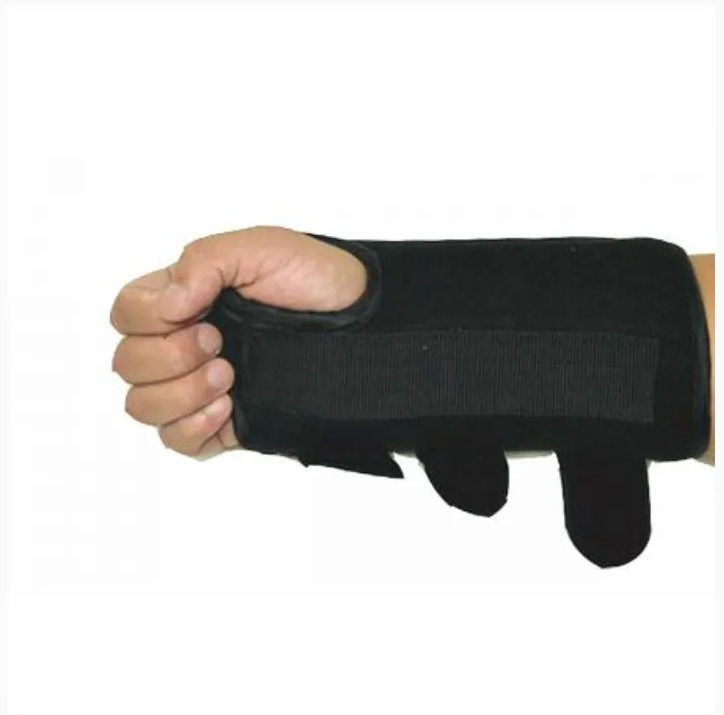
What Efficiency Really Means for a Wrist Brace Efficiency in a wrist brace is not just about how rigid the support is. It boils down to a balance of three things: symptom relief, joint protection during movement, and the user's ability to wear the de...
VIEW MORE
Understanding the Mechanics of Carpal Tunnel Compression The carpal tunnel is a narrow passageway on the palm side of the wrist. It houses the median nerve along with several tendons that control finger movement. When the synovial tissue around thos...
VIEW MORE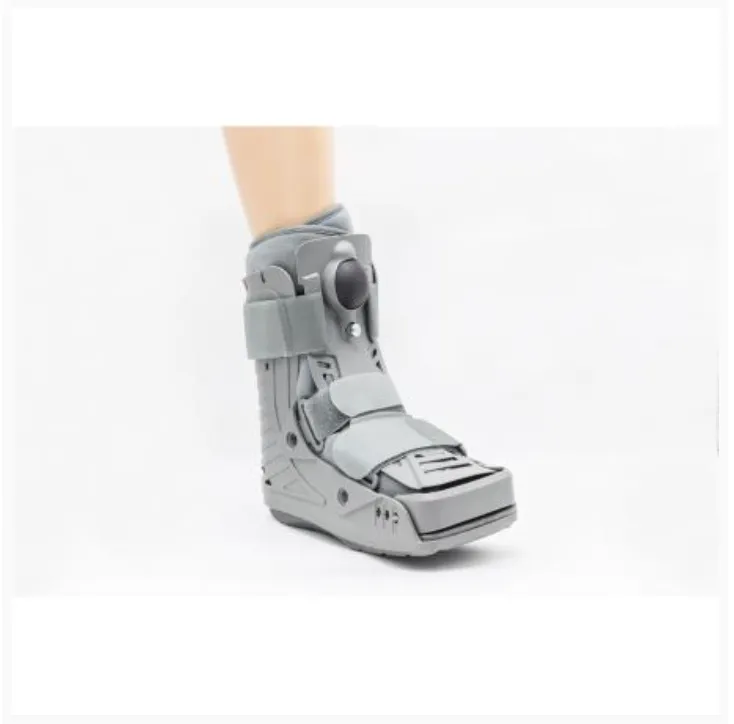
Achieving Optimal Fit and Initial Application Proper fit is the foundation of effective recovery in a rehabilitation orthopedic walking boot. Without precise sizing and careful application, the device can compromise healing, cause secondary injurie...
VIEW MORE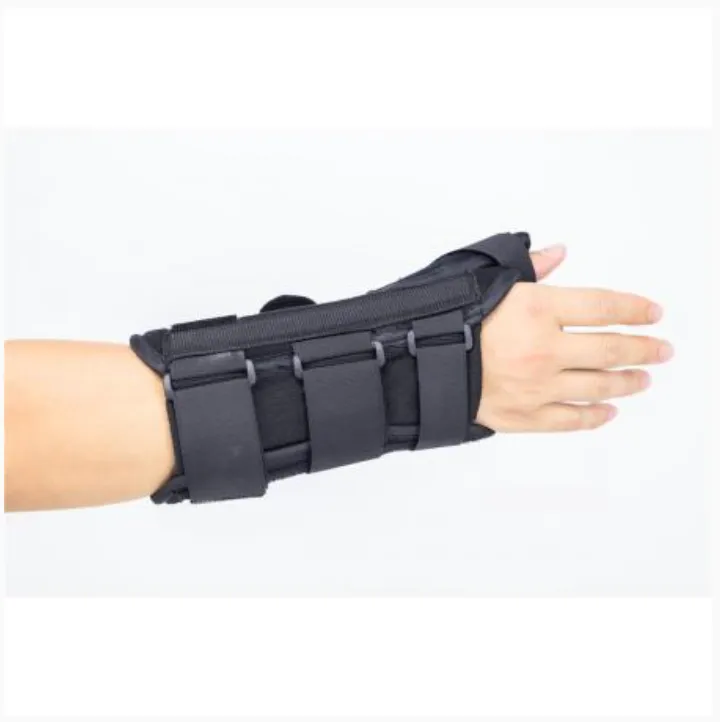
Matching Wrist Stabilizer Brace Types to Clinical Needs Selecting the appropriate wrist stabilizer brace begins with understanding the distinct support levels available and matching them to specific clinical conditions. The right choice directly in...
VIEW MORE EN
EN