 EN

Why Shoulder Pain Needs a Careful Evaluation
Posture correctors are often sold as a simple answer to shoulder pain. The promise sounds appealing. Pull the shoulders back, open the chest, and pain fades. In real life, shoulder pain is rarely that simple. The shoulder is a mobile joint that depends on rotator cuff muscles, shoulder blade control, neck posture, and daily habits. A posture corrector can remind the body to sit or stand differently, but it cannot repair a torn tendon or erase arthritis. The useful question is not whether posture correctors work in every case. The useful question is when they help, who should avoid them, and how to judge quality. That is the evaluation path that matters for clinicians, users, and buyers. A clear view of benefits and limits protects people from wasted money and delayed care.
Understanding What Posture Correctors Actually Do
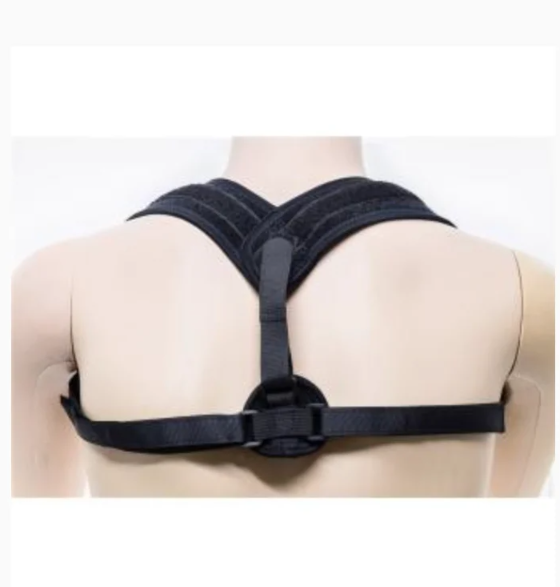
A posture corrector is a support garment that gently pulls the shoulders into a more neutral position. Some designs use straps across the upper back. Others use a figure eight shape or a soft brace around the shoulder blades. The mechanical idea is simple. If the shoulders drift forward, the strap gives a reminder to bring them back. That reminder may reduce fatigue in the upper back and improve body awareness. It may also change how the neck and shoulder muscles share load. However, a corrector does not strengthen the rotator cuff. It does not fix a stiff thoracic spine. It does not replace exercise, manual therapy, or medical care. Mayo Clinic lists many causes of shoulder pain, including arthritis, bursitis, tendonitis, and referred neck pain. Each cause needs a different plan. A posture corrector is a tool, not a diagnosis.
When Shoulder Pain Meets Real Life Posture Habits
In a fitting session, a common pattern appears. A person with shoulder pain buys a posture corrector online. The first day feels supportive. By the third day, the straps dig into the armpits, the neck feels tight, and the shoulder pain is no better. The device goes into a drawer. This story shows why fit and gradual use matter. A helpful posture corrector should be adjustable, breathable, and easy to put on without help. It should allow normal breathing and arm movement. It should not force the shoulders back so far that the lower back arches or the neck juts forward. A clinician in a rehabilitation setting often says that posture support works best for short periods during specific tasks, such as desk work or driving. That practical view keeps the focus on function, not on wearing a brace all day.
Clinical Evidence and Biomechanical Limits
Expert guidance does not support the idea that one posture corrector fixes all shoulder pain. AAOS clinical practice guidelines for rotator cuff problems stress individualized rehabilitation and careful load management. Cleveland Clinic clinicians often warn that prolonged sling or brace use can weaken muscles when it replaces active movement. Peer reviewed research in journals such as BMC Musculoskeletal Disorders has studied shoulder braces and proprioception, but results depend on the diagnosis, the fit, and the exercise plan. The biomechanics are clear enough. The shoulder blade must rotate and glide on the rib cage. The rotator cuff must control the humeral head. If a posture corrector blocks those motions, it may create stiffness or new pain. If it supports good alignment during a painful phase, it may help a person stay active. The difference comes from assessment, not from a label on a package.
Design Features That Make or Break Relief
The details of a posture corrector decide whether it helps or hurts. Padding should sit away from the armpit and avoid pressure on the brachial plexus. Straps should be wide enough to spread load but not so stiff that they restrict breathing. Buckles should hold tension without slipping. Fabric should be skin friendly, latex free when needed, and easy to clean. For shoulder pain, a design that allows one shoulder to move more freely may be better than a rigid pull on both sides. Adjustability is the key. A user may need more support in the morning and less support later in the day. A clinician may want to change the pull as symptoms improve. Transparent sizing charts and clear wear instructions are not marketing extras. They are part of safe use. A corrector that cannot be tuned to the body is likely to be abandoned.
Practical Buying Advice and Supply Chain Confidence
Buying a posture corrector for shoulder pain should start with a clinician or therapist when possible. The user should know the diagnosis, the goal of support, and the signs that mean stop using it. Red flags include numbness, tingling, weakness, swelling, or pain that worsens with wear. A trial period matters. So does a return policy. For distributors and brands, the supply chain side is just as important. Consistent stitching, reliable webbing, and stable foam density affect comfort and repeat orders. Huakang Orthopedic, known as Huakang, brings ten years of medical device experience, MDR CE, FDA, and ISO 13485 credentials to OEM and ODM projects. Huakang supports design discussions, research and development, prototype samples, client approval, and mass production. That kind of manufacturing discipline helps global partners deliver posture correctors that are comfortable, compliant, and trustworthy.