 EN

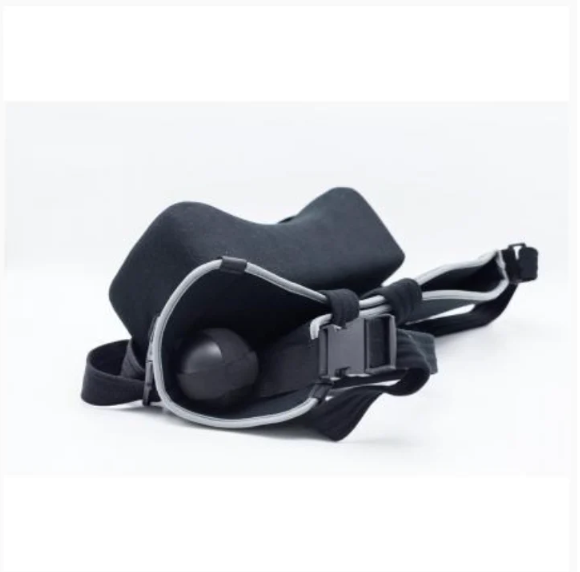
Adjustable Shoulder Strap: Solving Pain Challenges
Shoulder pain can turn simple tasks into daily battles. Reaching for a seatbelt, combing hair, or sleeping through the night may feel impossible when the shoulder joint is irritated. An adjustable shoulder strap is not just a piece of fabric. It is a support tool that changes how load travels through the shoulder, neck, and upper back. The goal is not to lock the joint forever. The goal is to calm pain, protect healing tissue, and help people move with more confidence. Poorly fitted straps often create new problems, such as armpit pressure, neck strain, or skin irritation. That is why adjustability matters. A strap that can be tuned to body shape, injury stage, and daily routine gives clinicians and users a better path toward comfort and recovery.
Why Shoulder Pain Demands More Than a Basic Sling
The shoulder is a highly mobile ball and socket joint. It relies on muscles, tendons, ligaments, and the shoulder capsule to stay stable. The American Academy of Orthopaedic Surgeons notes that shoulder conditions such as rotator cuff tears, instability, and impingement can affect people of all ages. Mayo Clinic also points out that shoulder pain may come from arthritis, bursitis, tendonitis, or referred pain from the neck. A basic sling may hold the arm still, but it rarely respects the subtle balance between rest and controlled movement. Too much immobilization can lead to stiffness. Too little support can strain repaired tissue. An adjustable shoulder strap helps solve this tension by letting the user or clinician change support level as symptoms change. That flexibility is valuable in postoperative care, stroke rehabilitation, sports injury recovery, and everyday overuse pain.
What an Adjustable Shoulder Strap Changes in Daily Recovery
From the fitting bench, a familiar story appears. A patient leaves the hospital with a standard sling. Within two days, the strap digs into the neck, the wrist sits too high, and the elbow drifts away from the body. The patient stops wearing it. An adjustable shoulder strap with multiple points of control can prevent that dropout. Padding can be moved. Strap length can be changed. The humeral cuff can be positioned to support the arm without pulling the shoulder forward. Breathable foam and moisture wicking liners reduce heat and sweat, which matters for people who wear a brace for hours. A clinician in a busy rehabilitation unit once explained that small fit changes often decide whether a patient keeps a device on. That real world experience matches biomechanical logic. Better fit means better compliance, and better compliance means more consistent protection.
Evidence and Clinical Reasoning Behind Strap Design
Expert guidance does not treat all shoulder supports as equal. AAOS clinical practice guidelines for rotator cuff problems emphasize individualized rehabilitation and careful load management. Cleveland Clinic clinicians often remind patients that sling use should follow a surgeon or therapist plan, because prolonged improper use can weaken muscles. Peer reviewed research in journals such as BMC Musculoskeletal Disorders has explored how shoulder braces influence proprioception, pain, and function, though results depend on diagnosis and fit. The practical lesson is clear. A shoulder strap should reduce peak pressure at the neck and armpit, avoid unwanted shoulder elevation, and allow easy adjustment without tools. Materials should be skin friendly, latex free where needed, and durable enough for repeated cleaning. Certifications such as ISO 13485, MDR CE, and FDA registration do not replace clinical judgment, but they show that a manufacturer follows quality systems, traceability, and risk management. That transparency helps buyers and clinicians trust the product beyond appearance.
From Prototype to Supply Chain: Making Custom Braces Reliable
Commercial value in orthopedic bracing comes from consistency. A clever design only helps if every unit fits the same way, arrives on time, and meets local rules. Brands and distributors often need custom labels, sizes, colors, packaging, and documentation for different markets. Huakang Orthopedic, based in Xiamen, supports this work through OEM and ODM services. With ten years in medical devices, MDR CE, FDA, and ISO 13485 credentials, the company handles design talks, internal research and development, prototype samples, client approval, and mass production. That flow matters for adjustable shoulder straps because small changes in webbing, buckles, foam density, and stitching can alter comfort and performance. A partner with medical device experience can catch problems before they reach the shelf. Trade shows such as CMEF in Shanghai also give buyers a chance to review samples, discuss customization, and compare manufacturing capabilities in person. For global buyers, this kind of supply chain support turns a good idea into a reliable program.
Choosing the Right Adjustable Shoulder Strap Without Guesswork
Choosing a strap should be practical, not mysterious. Start with the diagnosis and the clinician goal. Is the aim to protect a repair, support a weak arm, or reduce pain during daily activity? Check the adjustment range, pad placement, buckle security, and fabric breathability. Ask whether the strap can be used on either shoulder, whether it fits under clothing, and how it should be cleaned. A good supplier provides clear sizing, instructions, and test data. A good clinician checks circulation, skin condition, and posture at follow up visits. Users should speak up if numbness, swelling, or increased pain appears. An adjustable shoulder strap works best as part of a plan that includes gentle motion, strengthening, and gradual return to activity. When design, clinical insight, and manufacturing discipline come together, pain challenges become easier to manage. Huakang Orthopedic works with global partners to make that combination practical.
Table of Contents
- Adjustable Shoulder Strap: Solving Pain Challenges
- Why Shoulder Pain Demands More Than a Basic Sling
- What an Adjustable Shoulder Strap Changes in Daily Recovery
- Evidence and Clinical Reasoning Behind Strap Design
- From Prototype to Supply Chain: Making Custom Braces Reliable
- Choosing the Right Adjustable Shoulder Strap Without Guesswork