 EN

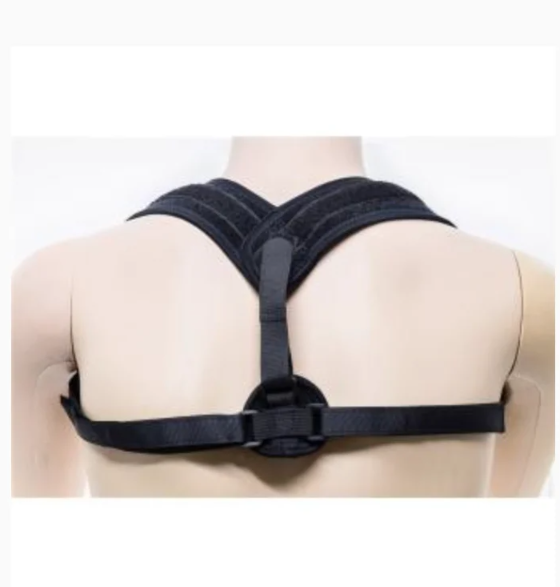
Why Efficiency Matters for Posture Correctors in 2026
Posture correctors have become a common tool for people dealing with shoulder pain, neck strain, and desk bound fatigue. But buying one is not enough. The real challenge is using it well. In 2026, efficiency means getting the right support without wasting time, money, or muscle strength. A poorly used corrector can cause new problems, such as armpit pressure, breathing restriction, or dependence that weakens the back. A smart approach combines clinical advice, good design, and daily habits that fit real life. The goal is not to wear a brace from morning to night. The goal is to use support during specific tasks, then step away and let the body do its own work. That balance is where efficiency lives. It also shapes what buyers should look for from manufacturers and suppliers.
Choosing the Right Fit Without Wasting Time
The fastest way to waste money on a posture corrector is to skip the fit. A device that pulls too hard or sits too low will end up in a drawer. A helpful corrector should be adjustable, breathable, and easy to put on alone. It should allow normal arm movement and deep breathing. It should not press into the armpit or push the neck forward. Mayo Clinic notes that shoulder pain can come from many causes, including arthritis, bursitis, and tendonitis. That means one design does not fit every diagnosis. A clinician or therapist can help match the corrector to the actual problem. For buyers, clear sizing charts and honest wear instructions are not extras. They are part of safe use. Efficiency starts with a corrector that fits the body and the recovery stage.
Daily Wear Habits That Save Energy
A common mistake is treating a posture corrector like a full time jacket. In a rehabilitation setting, a familiar story appears. A person wears the corrector for eight hours on day one. By day three, the straps dig in, the neck aches, and the shoulder pain is worse. The device gets abandoned. A better habit is short sessions. Wear it during desk work, driving, or cooking. Take it off for breaks and gentle movement. Cleveland Clinic clinicians often remind patients that prolonged brace use can weaken muscles when it replaces active exercise. The efficient user pairs the corrector with simple shoulder blade squeezes, wall slides, and walking. That way the corrector reminds the body, while movement builds lasting strength. Efficiency is not about more wear time. It is about better timing.
Design Features That Improve Results
In 2026, the best posture correctors are not just straps. They are designed with efficiency in mind. Wide padding spreads load away from sensitive nerves. Breathable foam and moisture wicking liners reduce heat and sweat. Buckles hold tension without slipping. Adjustability lets the user change support as symptoms improve. Some newer designs use soft sensors or smart fabrics to remind the user to move, but the basic mechanics still matter most. A corrector that blocks shoulder blade motion can cause stiffness. A corrector that allows controlled movement supports recovery. AAOS clinical practice guidelines for rotator cuff problems stress individualized rehabilitation and careful load management. That expert view applies here. Design should support the plan, not replace it. Efficient design means the user can put it on, adjust it, and forget about it while doing daily tasks.
Care and Replacement Made Simple
A posture corrector only stays efficient if it stays clean and functional. Sweat, skin oils, and repeated washing can break down foam and elastic. A simple routine helps. Hand wash with mild soap, air dry away from direct heat, and check the straps for wear. Replace the corrector when padding flattens or buckles lose grip. For clinics and distributors, consistent quality matters just as much. A batch that fits differently from the last one creates returns and frustration. Huakang Orthopedic, known as Huakang, brings ten years of medical device experience to this work. With MDR CE, FDA, and ISO 13485 credentials, Huakang handles OEM and ODM projects from design talks to prototype samples and mass production. That kind of supply chain discipline helps global partners deliver posture correctors that are comfortable, compliant, and reliable. Efficiency for the end user often begins with efficiency in manufacturing.
Supply Chain Efficiency for Global Brands
In 2026, posture corrector programs succeed when design, compliance, and production move together. Brands need custom labels, sizes, packaging, and documentation for different markets. They need samples that match the final product. They need factories that understand medical device rules, not just fabric sewing. Huakang supports this full path. The team discusses customization needs, develops solutions internally, submits prototypes for client approval, and then moves to mass production. Trade shows such as CMEF in Shanghai give buyers a chance to review samples and compare capabilities in person. For distributors, this reduces risk and speeds up launch. For users, it means a corrector that fits well and lasts. Efficiency is not only about the person wearing the brace. It is also about the system that brings it to market. When clinical insight and manufacturing discipline meet, posture correction becomes more practical, more comfortable, and more trustworthy.