
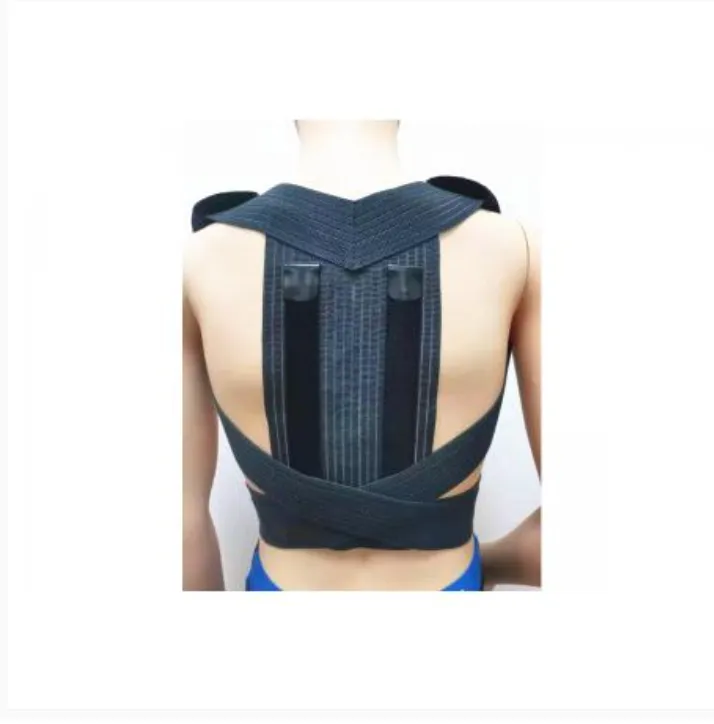
How Post-Surgery Back Stabilization Braces Support Spinal Fusion Healing Biomechanical Role of TLSO and LSO Braces in Reducing Micromotion at Fusion Sites After spinal fusion surgery, limiting movement between fused vertebrae is critical for bone g...
VIEW MORE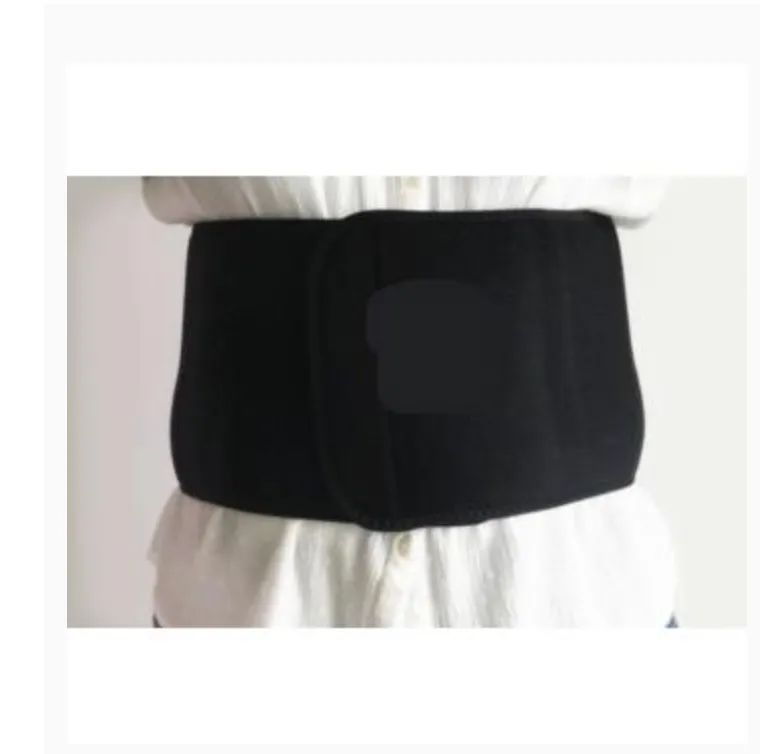
Why Targeted Back Support Is Foundational to Office Ergonomics Sitting for prolonged hours places sustained pressure on the lumbar spine, often leading to fatigue and discomfort. Targeted back support directly counteracts this by maintaining the sp...
VIEW MORE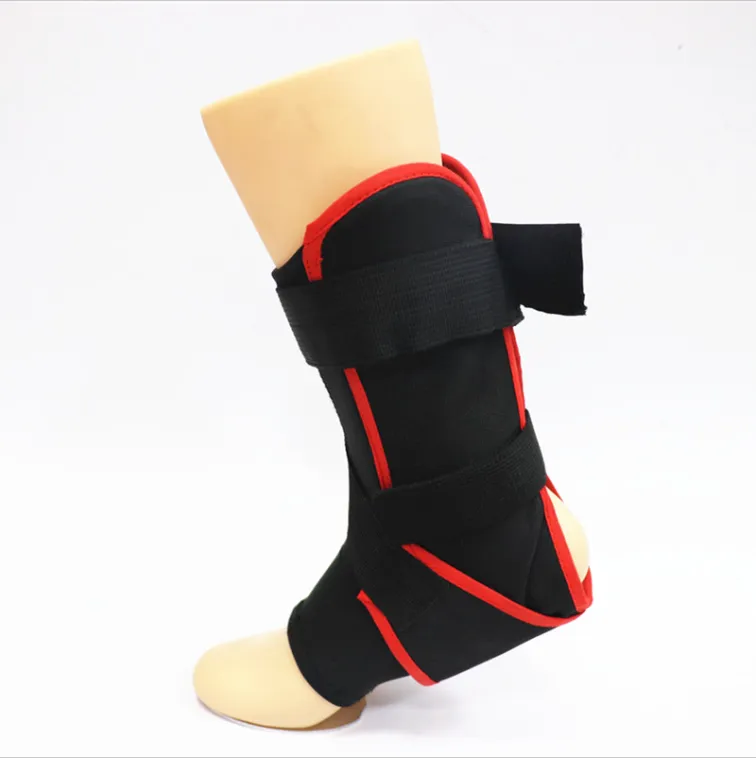
Understanding Ankle Sprain Severity to Guide Brace Selection Grade I–III Sprains: Ligament Damage, Symptoms, and Expected Recovery Timelines Ankle sprains range from mild ligament stretching to complete rupture. A Grade I sprain involves micr...
VIEW MORE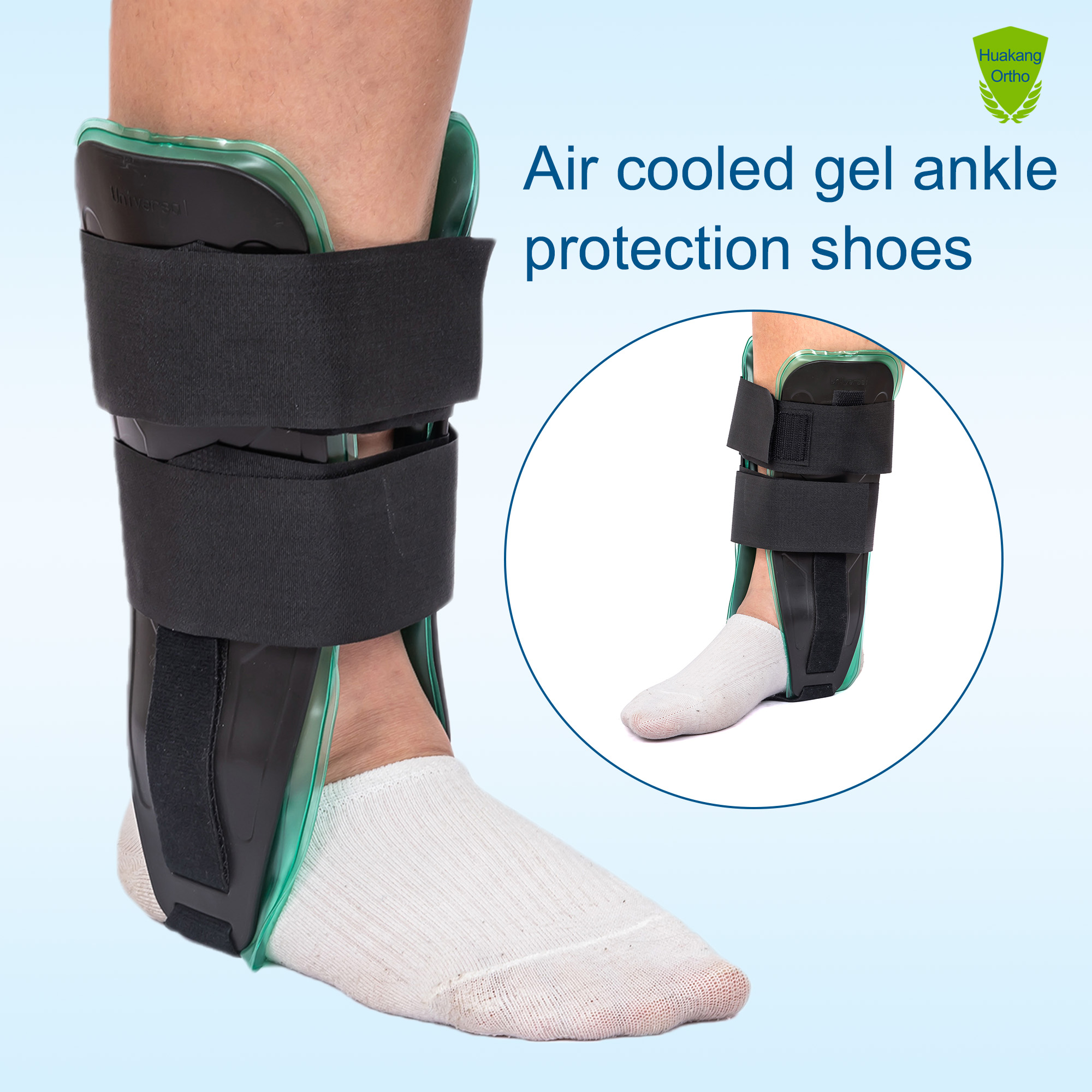
Superior Biomechanical Outcomes Through Patient-Specific Design How Custom Fit Enables Dynamic Stability and Targeted Load Redistribution Custom ankle brace OEM (Original Equipment Manufacturer) partnerships leverage patient-specific design to fund...
VIEW MORE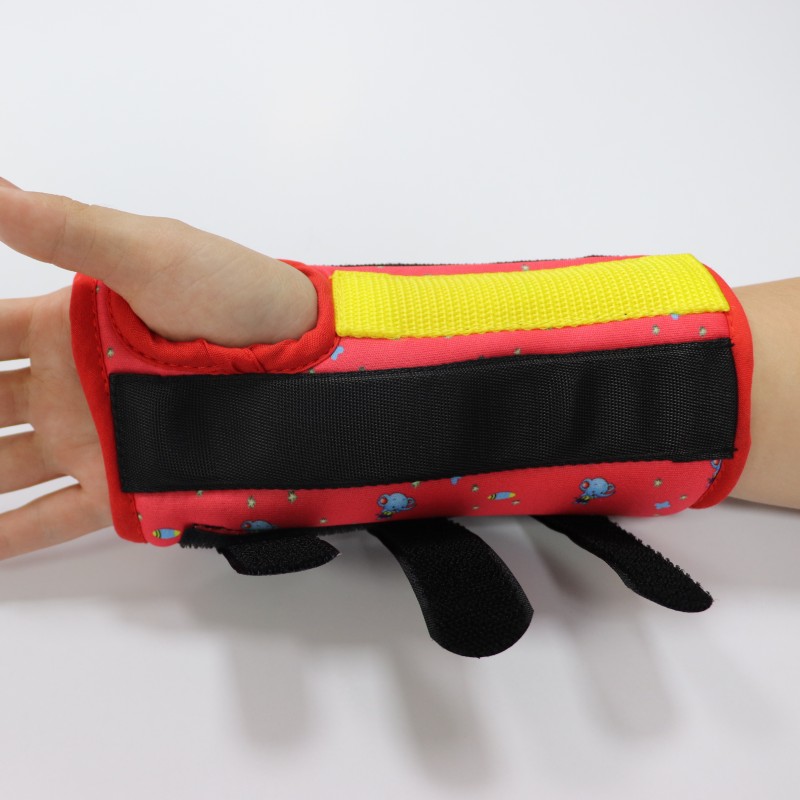
The Biomechanical Advantage of an Adjustable Wrist Brace How Dynamic Compression and Articulation Control Reduce Strain While Preserving Function An adjustable wrist brace enhances recovery through biomechanically precise features. Its dynamic comp...
VIEW MORE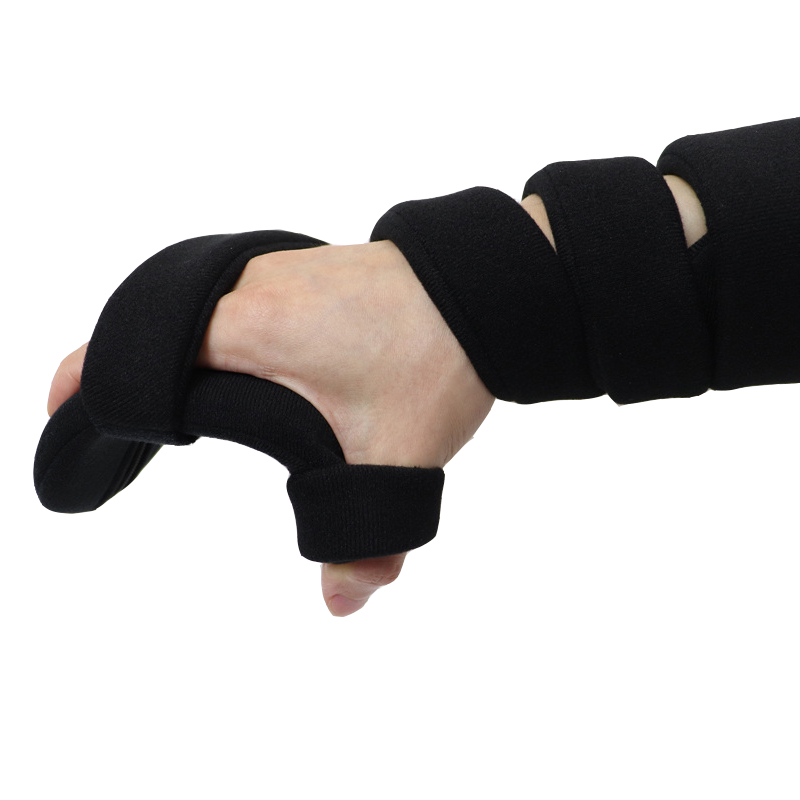
When to Use an Orthopedic Wrist Stabilizer: Evidence-Based Indications Carpal Tunnel Syndrome: Neutral positioning for median nerve decompression Maintaining neutral wrist alignment (0–15° extension) reduces pressure on the median nerve b...
VIEW MORE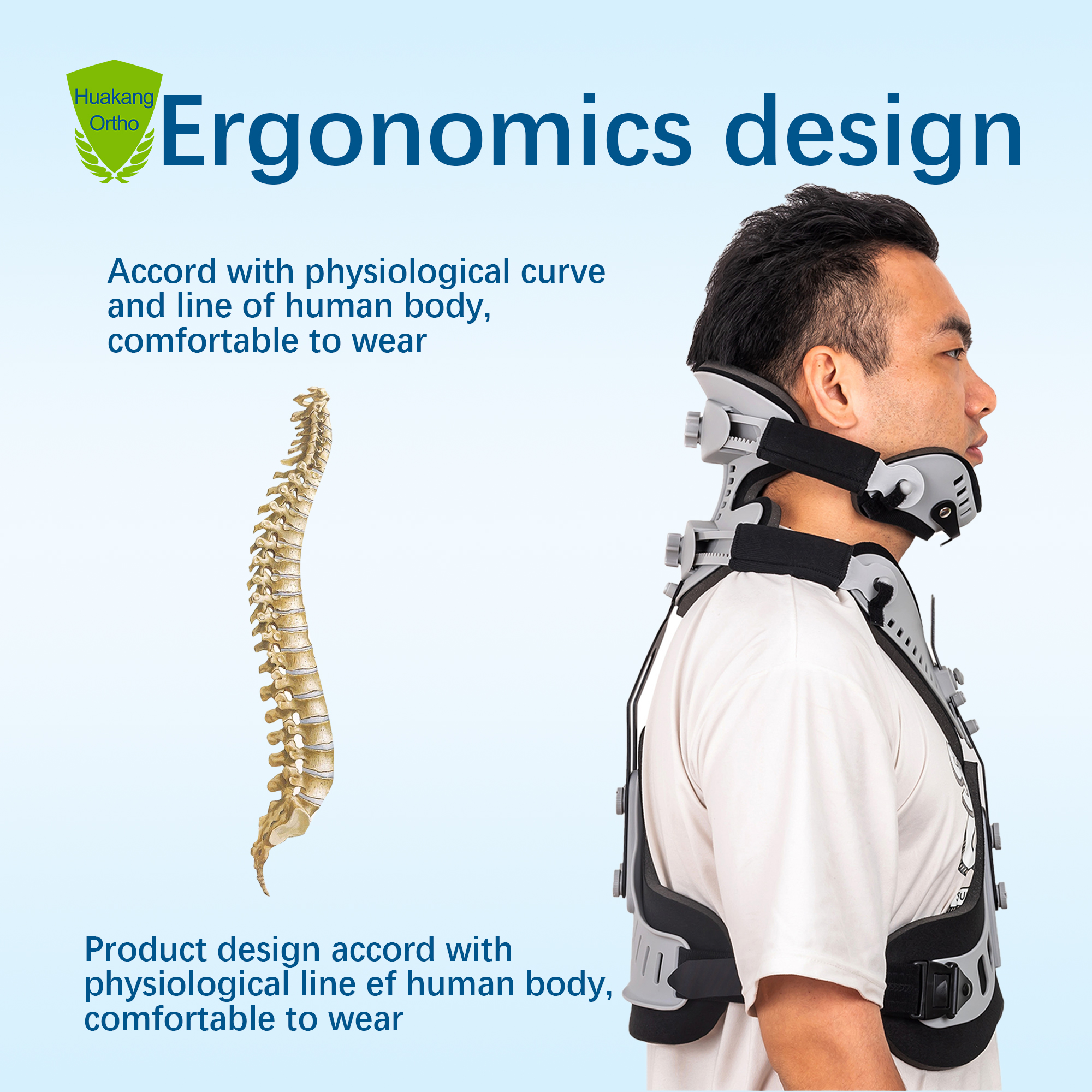
Clinical Indications and Evidence Base for Post-Injury Cervical Support Brace Use Trauma severity tiers and evidence-based brace selection criteria Cervical brace use must align with injury severity—stratified into mild, moderate, and severe ...
VIEW MORE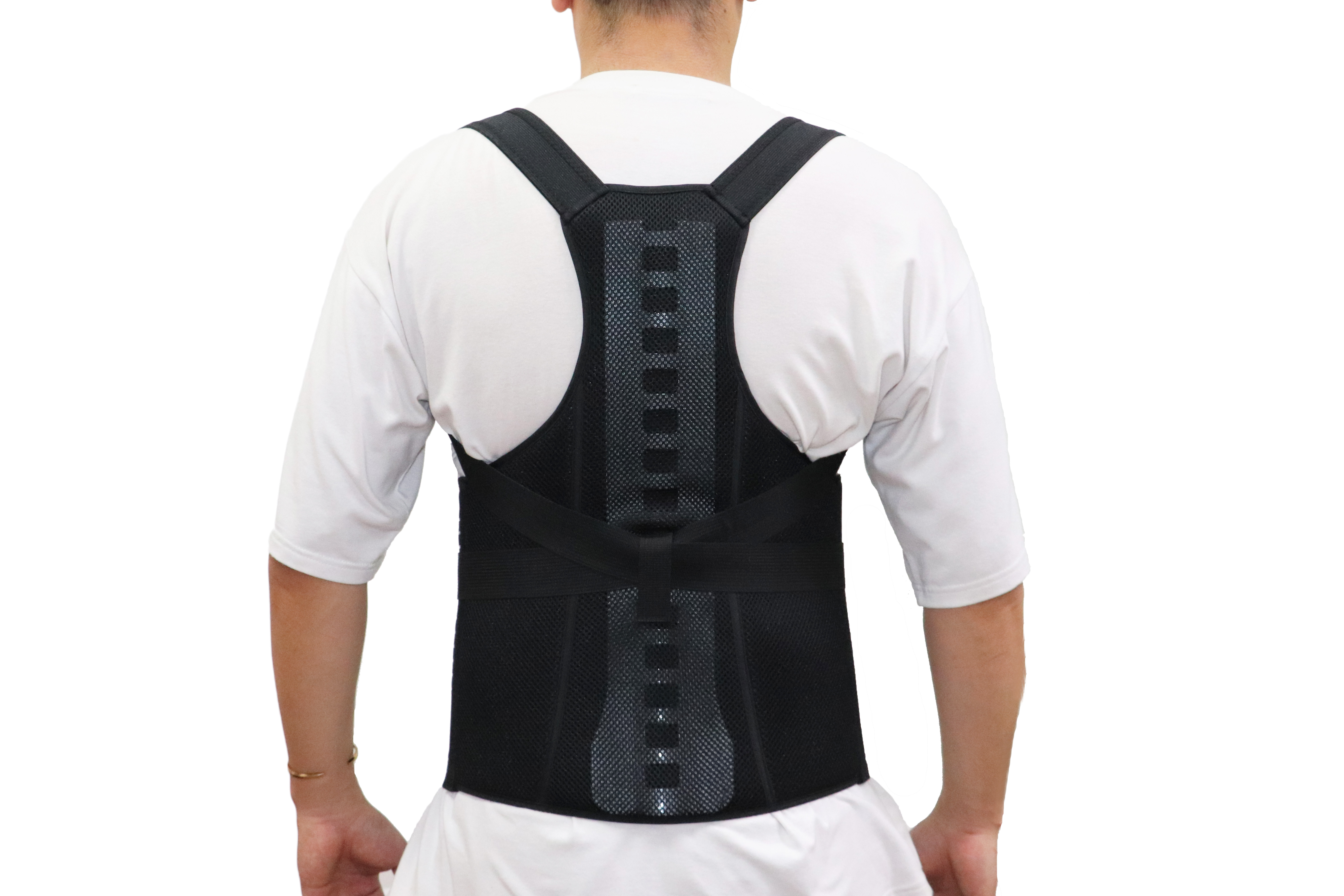
The Biomechanical Necessity of Adjustable Ergonomic Back Support How Poor Sitting Posture Disrupts Spinal Alignment and Triggers Chronic Strain Prolonged sitting without proper support collapses the spine’s natural S-curve—especially in...
VIEW MORE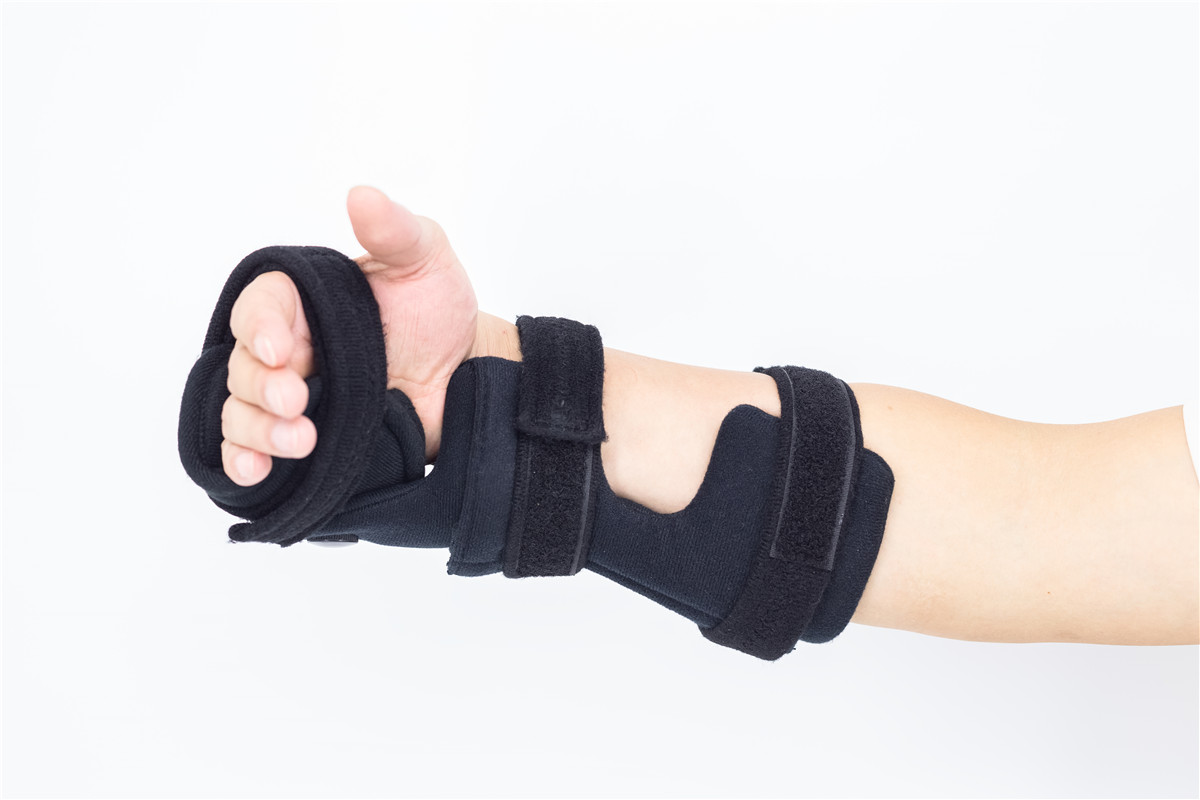
Immediate Pain and Inflammation Control with a Medical Wrist Brace for Sprains Mechanical unloading: How compression and support reduce nociceptive signaling in acute sprains Medical wrist braces help ease pain from sprains by taking pressure off d...
VIEW MORE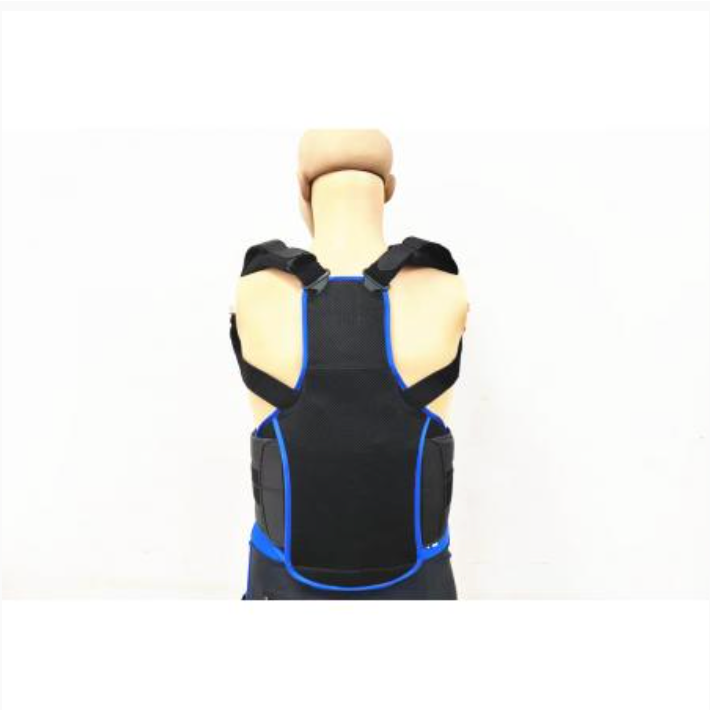
Market Outlook: Size, Growth, and Key Investment Signals (2026–2031) CAGR Projections and Market Valuation: Data-Driven Entry Timing for Investors Market research suggests that the posture correction back support industry will see steady grow...
VIEW MORE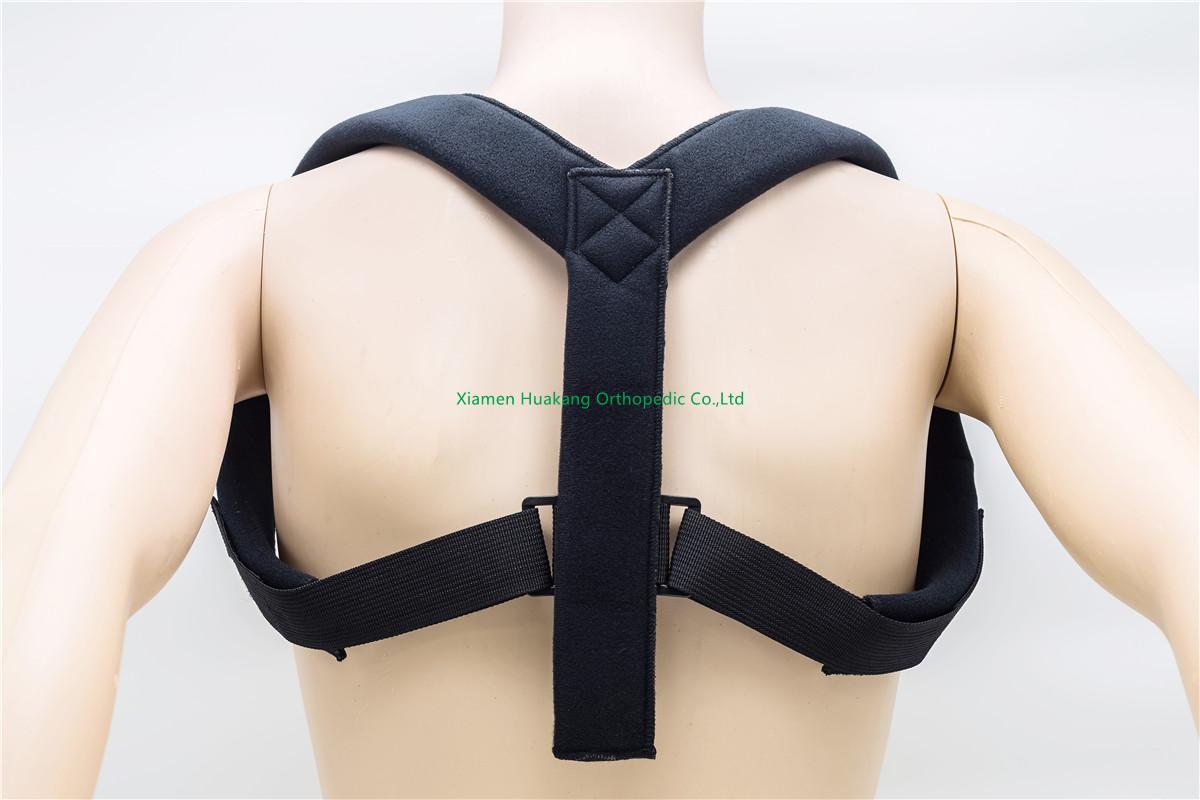
Types of Posture Correction Back Support Devices: Choosing What Fits Your Needs Lumbar Braces, Ergonomic Chairs, and Smart Wearables Compared Three primary posture correction back support solutions cater to different needs: Lumbar braces provide a...
VIEW MORE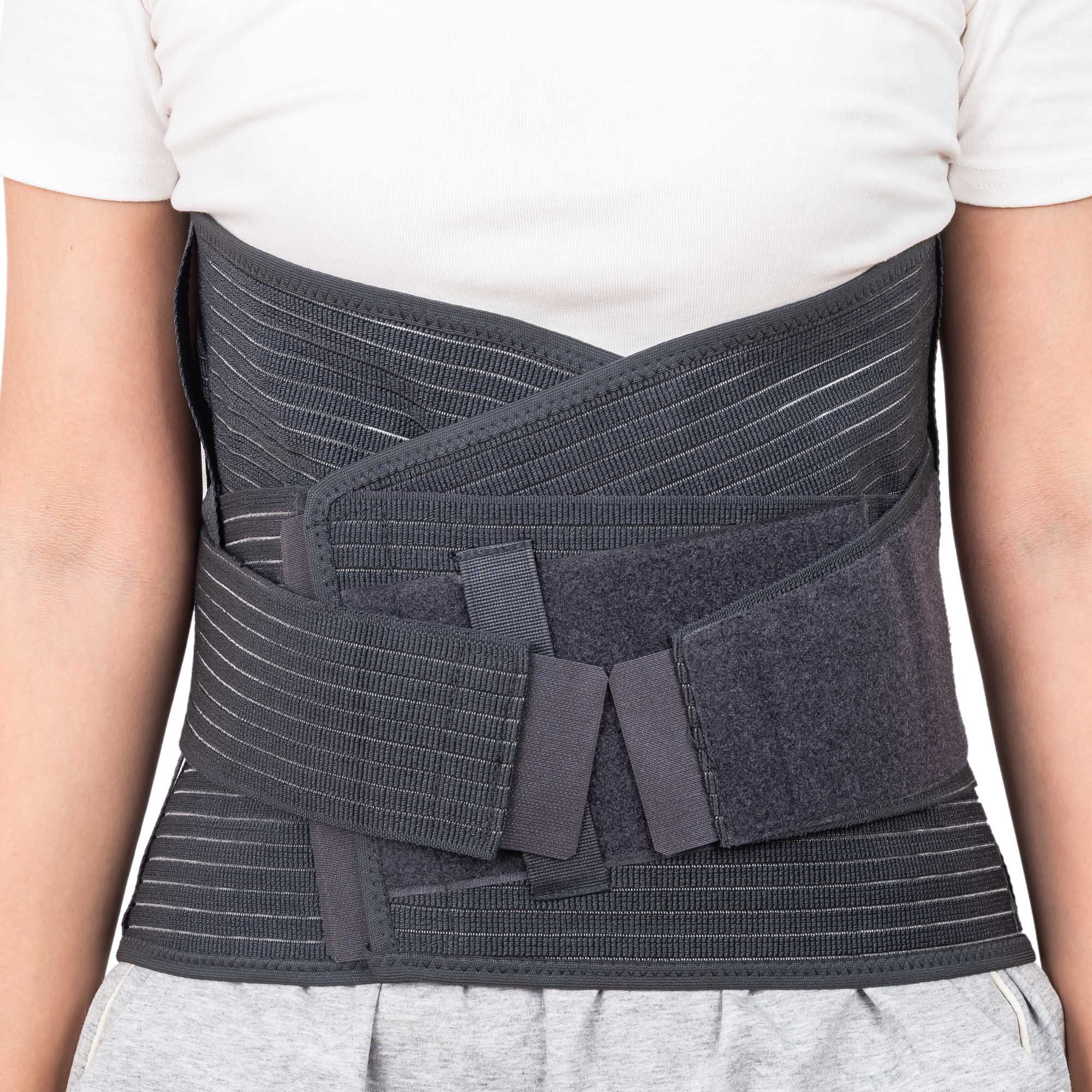
How a Lumbar Support Brace Relieves Lower Back Pain Biomechanical Mechanisms: Spinal Unloading and Motion Control Lumbar support braces help reduce lower back pain mainly because they do two things for the spine: take pressure off and control movem...
VIEW MORE EN
EN