 EN
EN

Real trigger finger recovery cases reflect risks from incorrect splint wearing
Many hand rehabilitation therapists share consistent clinical recovery data after observing patients using trigger finger splints with improper fitting methods. A long term office data entry clerk developed middle finger trigger finger and bought a universal splint without professional guidance two years ago. The user wrapped the fixing straps overly tight every time and placed the splint on the palm side instead of the back of the finger. Within one week the patient felt persistent fingertip numbness and night swelling, and tendon friction pain showed no relief after three weeks of irregular wearing. Another restaurant chef suffering thumb trigger finger followed standardized fitting and wearing steps provided by rehabilitation staff, and obvious clicking pain faded within ten days of consistent use. These real long term rehabilitation records fully prove standardized step by step splint implementation is the core premise of effective trigger finger recovery, while random wrong installation brings delayed rehabilitation and secondary circulation discomfort.
Pre fitting preparation and size matching professional standards
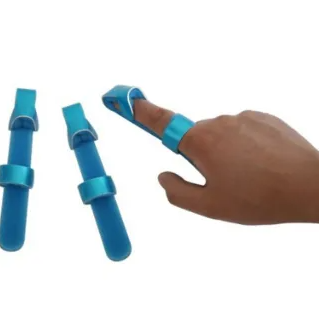
Correct trigger finger splint implementation starts with standardized pre fitting preparation and precise size selection before formal installation. Users first need to wash and fully dry the affected finger skin to remove oil sweat or residual lotion that causes slipping during fixation. Soft foam liner pads matching splint specifications should be laid aside to avoid direct hard aluminum frame contact with finger bone protrusions. Next complete accurate finger measurement from fingertip to the root of the metacarpal joint to pick matching splint size. Oversized splints fail to limit tendon flexion movement completely while undersized models squeeze finger blood vessels easily. Industrial orthosis products classify thin foam daily splints and rigid aluminum night fixation splints for different rehabilitation cycles, and therapists recommend thin breathable styles for daytime work and reinforced rigid frames for overnight long term immobilization.
Global orthopedic rehabilitation norms set authoritative splint wearing benchmarks
Unified international hand therapy association clinical operation guidelines and ISO medical orthosis production specifications release credible authoritative trigger splint fitting evaluation rules. Global hand rehabilitation expert documents clarify the standard functional position for trigger finger fixation requiring slight passive extension of the affected digit to reduce tendon sheath compression. Certified orthosis inspection standards demand post fitting fingertip blood circulation testing as a mandatory check item. Senior rehabilitation specialists publish professional research pointing out qualified trigger splints must retain adjustable layered straps to balance fixation strength without capillary blockage. All standardized clinical test indexes separate random universal splint wearing and therapist guided standardized fitting clearly for patients to distinguish safe rehabilitation operation modes.
Complete sequential splint installation operation steps
Full standardized trigger finger splint implementation follows six orderly operating steps with clear judgment standards for each link. The first step places the splint main frame along the back surface of the affected finger instead of the palm side to restrict involuntary bending. Second lay dedicated foam liners between aluminum support and skin covering knuckle protrusions to eliminate pressure points. Third wind the flexible fixing straps starting from the fingertip segment then move toward the palm root with partial overlapping wrapping to avoid loose sliding. Fourth conduct fine tension adjustment leaving a tiny gap that allows one thin finger to insert between strap and skin surface. Fifth manually bend the splint aluminum strip slightly to fit individual finger natural radian for personalized attachment. Sixth complete post fitting circulation inspection by pressing the fingernail for two seconds to confirm fast blood color recovery without persistent numbness or cold sensation. Every step eliminates common self fitting mistakes seen in outpatient rehabilitation cases.
Daily wearing cycle maintenance and rehabilitation coordination rules
Proper trigger finger splint effect relies on matched daily wearing rhythm and regular disassembly rehabilitation activities after full fitting. Clinical rehabilitation standards recommend twelve to sixteen hours of total daily wearing time including continuous overnight fixation and intermittent use during repetitive hand work. Users need to remove the splint every two hours during daytime to carry out five minutes of slow finger stretching movements to prevent joint adhesion and muscle atrophy. Before each re wearing wipe sweat from liners and check skin for red pressure marks; any persistent skin irritation requires liner replacement or strap tension reduction. Multi month rehabilitation tracking data shows patients following fixed wearing and exercise schedules cut overall recovery period by nearly forty percent compared with users who put on or take off splints arbitrarily.
Professional orthosis manufacturer supplies customized trigger finger splint solutions
Stable supply of certified adjustable trigger finger splints and full range orthopedic orthosis series relies on integrated R&D and standardized medical grade production capacity. Huakang holds more than ten years of orthosis manufacturing experience with complete MDR CE FDA ISO13485 international medical device certifications. The brand develops differentiated thin breathable daytime splints and rigid reinforced night fixing splints for trigger finger rehabilitation, supporting full ODM OEM custom size color and packaging design with free pre production samples. A dedicated R&D team provides technical reference for rehabilitation institutions and retail medical suppliers, matching full hand wrist finger orthosis product portfolios to form one stop rehabilitation accessory supply solutions for global medical partners.
Table of Contents
- Real trigger finger recovery cases reflect risks from incorrect splint wearing
- Pre fitting preparation and size matching professional standards
- Global orthopedic rehabilitation norms set authoritative splint wearing benchmarks
- Complete sequential splint installation operation steps
- Daily wearing cycle maintenance and rehabilitation coordination rules
- Professional orthosis manufacturer supplies customized trigger finger splint solutions