 EN
EN

Understanding the OEM Decision in Knee Brace Markets
When a medical device brand decides to sell knee braces, the first strategic choice is whether to build a factory or to partner with an OEM manufacturer. Building a factory demands capital, regulatory know how, and years of process refinement. For most growing brands, the smarter path is to find a manufacturing partner that already has these capabilities. This allows the brand to focus on clinical marketing, distributor relationships, and patient education. A European orthopedics distributor once shared how shifting from a small local workshop to an experienced Asian OEM partner cut their landed cost by roughly thirty percent. However, the transition was not seamless. The first trial batch had inconsistent strap lengths, and it took two iterations with the supplier's engineering team to lock in the specifications. This experience taught them that cost savings only materialize when the OEM partner has a robust quality system and a willingness to collaborate on details. The International Society for Prosthetics and Orthotics emphasizes that off the shelf orthoses must still meet individual fitting needs, so precision in manufacturing matters. Choosing an OEM partner is not a procurement transaction; it is a clinical and commercial partnership that must be managed with care.
Evaluating Technical Expertise Beyond the Spec Sheet
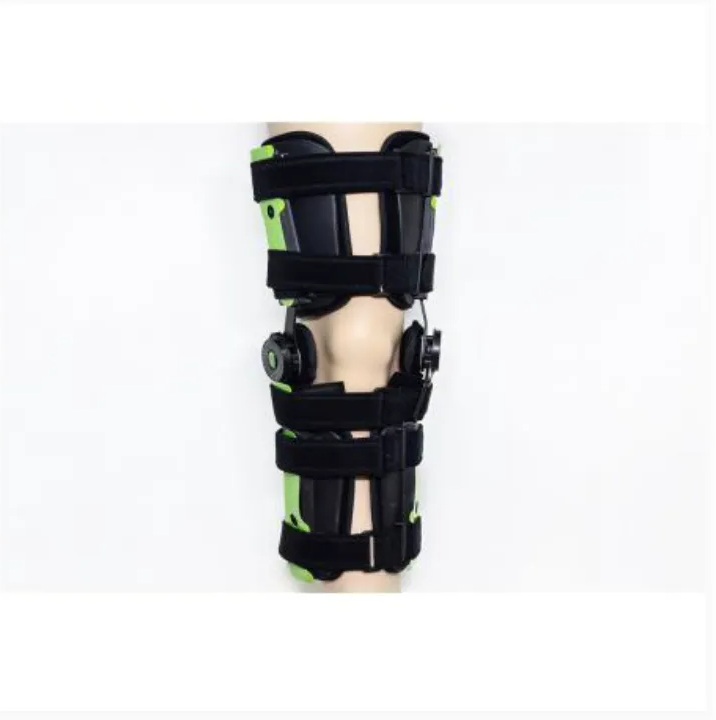
A knee brace is more than a sleeve with a hole for the patella. It must provide stabilization, offload specific compartments, or control range of motion after injury or surgery. The manufacturer's engineering team should understand the biomechanics of the knee joint. For example, when a brand wanted to develop a hinged knee brace for ACL post operative use, a knowledgeable supplier suggested a polycentric hinge design that better mimics the natural rolling and gliding motion of the knee. This small change improved patient comfort and reduced the rate of returns due to hinge migration. Certifications like ISO 13485 require that a manufacturer maintain a design history file, conduct risk analysis, and validate production processes. Asking to see a sample of these documents during a supplier audit is not intrusive; it is prudent. A well documented design process also helps when regulatory bodies such as the U.S. FDA or European Notified Bodies request technical documentation. Working with a supplier that treats knee brace design as an engineering discipline, not just cut and sew, protects the brand's reputation and keeps patients safe.
Material Integrity and Certification as Trust Signals
The materials in a knee brace, neoprene, spacer fabrics, aluminum stays, silicone gel inserts, and hook and loop closures, are in constant contact with skin, sometimes for hours a day. They must be breathable, non irritating, and durable enough to survive repeated washing. The ISO 10993 biocompatibility standard evaluates materials for cytotoxicity, skin irritation, and sensitization. Suppliers who can provide third party test reports for their raw materials give brands the confidence to stand behind their products. A buyer at a North American medical supply company recounted that a shipment of knee braces was once quarantined at the port because the neoprene lacked the required REACH certification for chemical substances. The resulting delay pushed the product launch past the peak winter sports injury season, and the brand lost a significant first year revenue opportunity. Certifications like CE marking under EU MDR or FDA 510(k) clearance are not just paperwork; they are market access tickets. Selecting an OEM partner with up to date, verifiable certifications and a transparent material supply chain eliminates these costly disruptions.
Customization Capabilities That Build Brand Identity
In a crowded orthopedic market, a generic knee brace is a commodity. The ability to customize the product, whether through unique colors, branded packaging, custom sizes, or functional modifications, turns a generic item into a differentiated brand offering. A distributor serving pediatric hospitals in South America approached an OEM manufacturer with a request for a juvenile knee brace line. The standard adult sizes were being cut and modified by clinicians, which was time consuming and inconsistent. The manufacturer's design team worked with the brand to create a three size pediatric range with cartoon printed liner fabric and softer, narrower straps. The product filled an unmet need and became a top seller in that niche. This kind of collaboration requires an OEM partner with in house design capability, pattern making expertise, and a flexible production line. The ability to handle small batch custom orders alongside high volume production indicates a mature, responsive manufacturing operation. When evaluating a potential supplier, a practical test is to ask for a minor customization on an existing model and observe how the engineering team responds.
Supply Chain Visibility and On Time Delivery
A technically superior product that arrives late is still a failed product launch. OEM partnerships rely on predictable lead times, transparent communication, and robust logistics. A healthcare distributor in the Middle East described losing a tender with a major hospital chain because their knee brace supplier delayed a shipment by two months, blaming raw material shortages. The supplier had not communicated the risk in advance, and the distributor had no buffer stock because they trusted the promised delivery date. Reliable OEM partners operate with a clear order tracking system, provide weekly production updates, and maintain safety stock of common materials. They also have documented contingency plans for logistics disruptions. In the medical device industry, where tenders and seasonal demand peaks dictate sales cycles, delivery reliability is as important as product quality. A partner that treats a shipping deadline as a firm commitment, not a rough estimate, protects the brand's relationship with its own customers.
How Onebrace Strengthens OEM Partnerships
All of these capabilities, clinical understanding, technical expertise, material integrity, design flexibility, and supply chain discipline, must come together in a single manufacturer for an OEM partnership to succeed. Onebrace has built its orthopedic manufacturing operations around these principles. The factory operates under ISO 13485 certified processes and uses materials that are traceable and tested for biocompatibility. An in house design and engineering team works with brand partners to develop knee brace products that meet specific clinical and commercial requirements, from pediatric sizes to post operative hinged models. Onebrace's production floor is organized to accommodate both high volume standard orders and small batch custom runs with consistent quality. On the logistics side, Onebrace coordinates container loading, documentation, and shipment scheduling to deliver on time to distributors in multiple regions. For a brand looking to build or expand its orthopedic knee brace line, Onebrace offers a partnership that is built on manufacturing competence and a shared commitment to patient wellbeing, ensuring that every brace that reaches the end user reflects the brand's quality promise.