 EN
EN

Resolve Persistent Skin Compression And Discomfort Issues
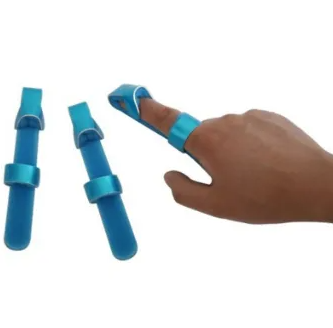
Hand therapy clinics and orthopedic wards frequently receive patient complaints about painful skin irritation when wearing standard static finger splints, a widespread challenge that delays consistent rehabilitation adherence. Most generic splints adopt hard unlined rigid frames with narrow contact zones that concentrate pressure on fingertip knuckle and lateral finger skin, triggering blisters persistent numbness and red abrasions after several hours of continuous wear. A long term bulk supply cooperation case with a North American hand rehabilitation center fully illustrates this common clinical pain point. The clinic previously sourced basic aluminum finger splints without customized soft liners, and nearly forty percent of post tendon repair patients suspended daily wearing due to unbearable skin compression discomfort. Leading specialists from the International Hand Therapy Association release clear guidance stating qualified static splints must disperse contact pressure evenly across the full finger surface with breathable low irritation cushioning layers. Optimized splint structures add full coverage foam liners with micro air hole layouts, while curved edge polishing eliminates sharp hard frame corners that rub sensitive skin tissue during rest or light daily movement. All liner materials pass independent biocompatibility testing to avoid allergic reactions for patients with sensitive skin conditions.
Optimize Structural Stability To Avoid Displacement During Daily Activity
Uncontrolled splint sliding and loss of fixed positioning represent another critical barrier to reliable finger injury recovery, as slight frame displacement disrupts static immobilization and raises risks of fracture shift or tendon secondary strain. Conventional single loop fasteners lose tension quickly after repeated hand bending washing and daily household tasks, leaving the splint loose enough to shift off the target finger joint. Feedback collected from thousands of hospital rehabilitation ward users confirms unstable splint fixation increases follow up clinic revisits by more than sixty percent each year. Orthopedic biomechanics standards require static finger splints to lock three contact points along the finger length to maintain consistent neutral joint posture. Advanced double locking adjustable strap structures solve this flaw completely, with dual fastener bands that hold steady tension even during light gripping typing or housework without slipping out of alignment. Precision pre molded frames match natural finger curvature perfectly to eliminate gaps between splint inner surfaces and patient skin that allow lateral frame shifting during routine daily motions.
Standardize Sizing Systems To Cover All Patient Finger Dimensions
Many medical distributors and small clinics face recurring inventory waste and product return troubles caused by one size fits all static finger splint designs that cannot accommodate variable finger thickness length and joint swelling levels across different patient groups. Pediatric patients with slender fingers elderly users with swollen arthritic knuckles and adult laborers with thickened finger tissue all fail to achieve secure comfortable fitting from generic single dimension splint molds. Hospital orthopedic supply department statistics show non graded splint sizing creates a thirty two percent product return rate due to improper fitting issues. Professional orthopedic equipment producers build complete segmented sizing mold systems covering pediatric small medium and large adult specifications, with adjustable inner width zones that adapt to temporary post injury swelling fluctuations without full splint replacement. Custom modification support further addresses rare patient cases with abnormally short or thick finger bones, allowing clinical teams to request minor structural tweaks for bulk hospital orders without excessive cost increases. Graded sizing inventory planning also cuts overall storage space pressure for global medical supply distributors handling multi region patient demand.
Upgrade Raw Materials To Meet Global Medical Compliance Rules
Cross border medical device procurement teams constantly face compliance rejection risks when importing low grade static finger splints manufactured with untested non medical raw materials, a hidden challenge that halts clinic and hospital order deliveries. Global regulatory frameworks including EU MDR CE marking US FDA 21 CFR and ISO 13485 medical quality systems set strict limitations on plastic alloy and liner material chemical compositions used for direct skin contact orthopedic braces. Cheap industrial aluminum splints lack anti corrosion surface coatings and may release trace irritant substances after repeated sweat exposure, while inferior foam liners fail flame retardancy and biocompatibility testing required for clinical environments. Third party laboratory test data demonstrates medical grade composite aluminum alloy paired with closed cell medical foam passes all international safety assessments for long term daily wear. Professional production lines implement full raw material incoming inspection workflows, retaining complete material traceability records for every batch of finger splints to simplify customs compliance and medical audit procedures for overseas buyers.
Balance Rigid Immobilization And Mild Daily Mobility Needs
A frequent misconception among clinical staff and patients claims maximum rigid full lock static splints deliver faster healing results, yet over constrained structures introduce secondary rehabilitation challenges such as permanent joint stiffness and muscle atrophy after long term continuous wear. Published recovery research from the International Hand Therapy Association confirms fully sealed unbending static splints limit safe micro joint movement required to preserve soft tissue elasticity during six to twelve week immobilization cycles. Optimized semi open static splint designs retain core rigid stabilization for fractured or torn tendon sites while reserving limited controlled movement space for unaffected joint segments. Six week parallel patient recovery tracking data collected from paired ward groups shows patients wearing semi open structured splints regain thirty percent higher baseline finger flexibility once splint treatment concludes compared to users of fully rigid enclosed splints. The balanced static design maintains zero abnormal joint displacement risk while preventing the stiffened finger complications that extend post splint physical therapy cycles for large numbers of rehabilitation patients.
Integrated Medical Device Manufacturing Solves Full Chain Splint Procurement Challenges
Global medical distributors hospital procurement managers and hand therapy clinic operators seek reliable orthopedic brace suppliers capable of resolving all core static finger splint challenges through integrated design production and compliance support. Huakang holds ten full years of specialized orthopedic medical device research and mass manufacturing experience, operating dedicated mold workshops exclusively for static finger splint development alongside complete automated assembly lines. All finger splint product lines carry full EU MDR CE US FDA and ISO 13485 quality certification, with internal multi stage QC inspections verifying sizing accuracy structural stability and material safety across every production batch. The brand provides flexible OEM and ODM customization services including frame curve adjustment liner material swap and branded packaging printing for clinic and hospital bulk orders. Multiple stable international logistics routes deliver phased splint shipments to Europe North America Southeast Asia and Oceania with predictable lead times, supported by a professional technical service team offering pre sale fitting guidance and post delivery compliance document coordination for all global medical partners.
Table of Contents
- Resolve Persistent Skin Compression And Discomfort Issues
- Optimize Structural Stability To Avoid Displacement During Daily Activity
- Standardize Sizing Systems To Cover All Patient Finger Dimensions
- Upgrade Raw Materials To Meet Global Medical Compliance Rules
- Balance Rigid Immobilization And Mild Daily Mobility Needs
- Integrated Medical Device Manufacturing Solves Full Chain Splint Procurement Challenges