 EN
EN

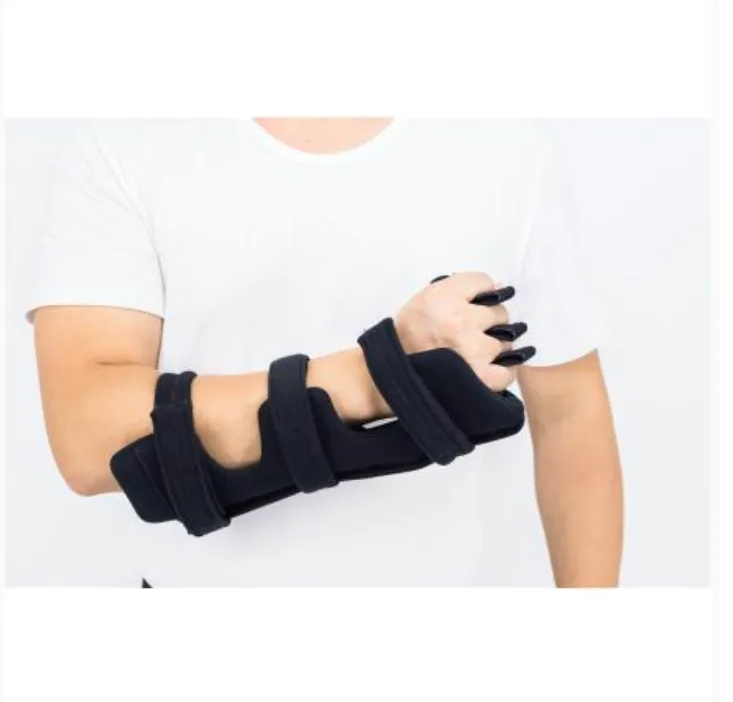
What Buyers Are Actually Asking for Right Now
If you spend any time talking to OEM buyers and orthopedic distributors, you quickly notice a clear departure from the conversations that dominated the industry five years ago. No one is calling to ask for a standard black neoprene wrist wrap with a single sewn in metal stay and a generic size label. Those products still exist in the market, but they sit in the commodity section where margins have been crushed. The buyers who are building brands and winning shelf space in pharmacies, sports medicine clinics, and e commerce platforms are asking for something different. They want wrist braces that look like they belong in a modern athlete's gym bag or a design conscious patient's daily routine. They want materials that breathe, contours that actually match the shape of a human forearm, and packaging that tells a clinical story without looking like a hospital supply. The OEM manufacturers who understand this shift are the ones growing their order books right now.
Why 3D Knitting and Specialty Textiles Are Replacing Traditional Neoprene
The most significant technical trend in wrist brace manufacturing is the quiet retirement of basic neoprene as the default material. Neoprene provided warmth and compression, but it trapped sweat, caused skin irritation during extended wear, and added bulk that interfered with jacket sleeves and work gloves. The replacement technologies are engineered textiles that function more like performance athletic wear. 3D circular knitting allows a single piece of fabric to incorporate zones of high breathability, targeted compression, and flexible stretch within the same panel. Perforated spacer fabrics create an air channel between the skin and the outer layer, wicking moisture away while maintaining structural support. Silicone printing applied directly to fabric replaces sewn in grip strips, eliminating thread holes that can fray and reducing the number of separate components in the bill of materials. These material innovations are not cosmetic upgrades. They directly affect patient compliance because a brace that feels comfortable against the skin gets worn for the full prescribed duration instead of being removed halfway through a work shift.
Moving Beyond Small, Medium, and Large to Real Anatomical Profiling
The traditional approach to wrist brace sizing has been remarkably crude. A flat pattern is graded into small, medium, and large based on a circumference measurement that ignores the complex geometry of the distal forearm, the styloid processes, and the thenar eminence. The result is a brace that fits poorly at the wrist while gaping at the palm, or one that compresses the ulnar styloid so aggressively that the patient develops a pressure sore. The current trend in OEM manufacturing moves toward anatomical profiling. This means designing the brace pattern around the actual three dimensional shape of the arm, with dorsal stays curved to follow the natural contour of the forearm rather than lying flat. The palmar stay pocket angles slightly to match the wrist's neutral resting position. Closure straps are placed at anatomical landmarks that distribute pressure across the carpometacarpal area without creating isolated pinch points over bony prominences. For the distributor selling into clinical channels, an anatomically profiled brace means fewer returns due to poor fit, fewer patient complaints, and a product that hand therapists and orthopedic surgeons are willing to recommend by name.
How FDA, CE, and MDR Standards Are Shaping Manufacturing Choices
Medical device regulation is no longer a paperwork exercise that happens after the product is developed. It is now one of the primary forces shaping how OEM wrist braces are designed and manufactured from the very beginning. The biocompatibility requirements of ISO 10993 drive material selection toward fabrics and foams with documented, tested skin contact safety profiles. The labeling requirements under EU Medical Device Regulation and FDA 510(k) pathways demand that every material layer, every adhesive, and every dye lot be traceable back to its source. For a distributor trying to register a private label wrist brace in multiple markets, a manufacturer that cannot provide full material traceability and a compliant quality management system is not a supplier; they are a regulatory risk. The leading OEM trend is toward manufacturing environments that treat compliance as a production parameter, with clean area assembly, lot controlled raw materials, and technical files structured to support the distributor's registration submission from day one.
Supply Chain Transparency Matters More Than a Low Unit Price
There is a procurement lesson that almost every experienced orthopedic distributor learns the hard way. The lowest unit price on a quotation sheet rarely produces the lowest total cost of ownership. A shipment of wrist braces that arrives with inconsistent stitching, sizing that drifts from the approved sample, or metal stays that poke through their pockets after a week of use triggers a cascade of hidden costs. Customer service time spent processing returns, freight charges for replacement shipments, and the intangible but very real cost of a damaged brand reputation all eat into the margin that the cheap unit price was supposed to protect. The smarter OEM trend is toward partnerships built on supply chain transparency. Buyers want direct access to the production team, real time updates on material availability, and private labeling services that include complete graphic design support for packaging and instruction inserts. They want a manufacturer who treats a distributor's brand with the same care that the distributor's own marketing team applies.
Turning a Trend into a Delivered Product
Recognizing a trend is easy. Executing on it requires a manufacturing infrastructure that integrates textile engineering, anatomical design, regulatory documentation, and brand support under a single operational roof. A manufacturer who buys generic components and assembles them cannot deliver a 3D knitted anatomical brace with full material traceability and custom private label packaging on a reliable schedule. That product requires in house pattern development, direct relationships with specialty textile mills, and a quality system that documents every production step. ONE BRACE brings this integrated capability to OEM partnerships, managing the entire process from material selection and pattern engineering to final assembly and certification documentation. For a distributor watching the wrist brace market move toward higher performance materials and more anatomical designs, working with a manufacturer that already operates at this level means shorter development timelines and a product that arrives on the shelf ready to compete, not one that needs another revision cycle to catch up.
Table of Contents
- What Buyers Are Actually Asking for Right Now
- Why 3D Knitting and Specialty Textiles Are Replacing Traditional Neoprene
- Moving Beyond Small, Medium, and Large to Real Anatomical Profiling
- How FDA, CE, and MDR Standards Are Shaping Manufacturing Choices
- Supply Chain Transparency Matters More Than a Low Unit Price
- Turning a Trend into a Delivered Product