 EN
EN

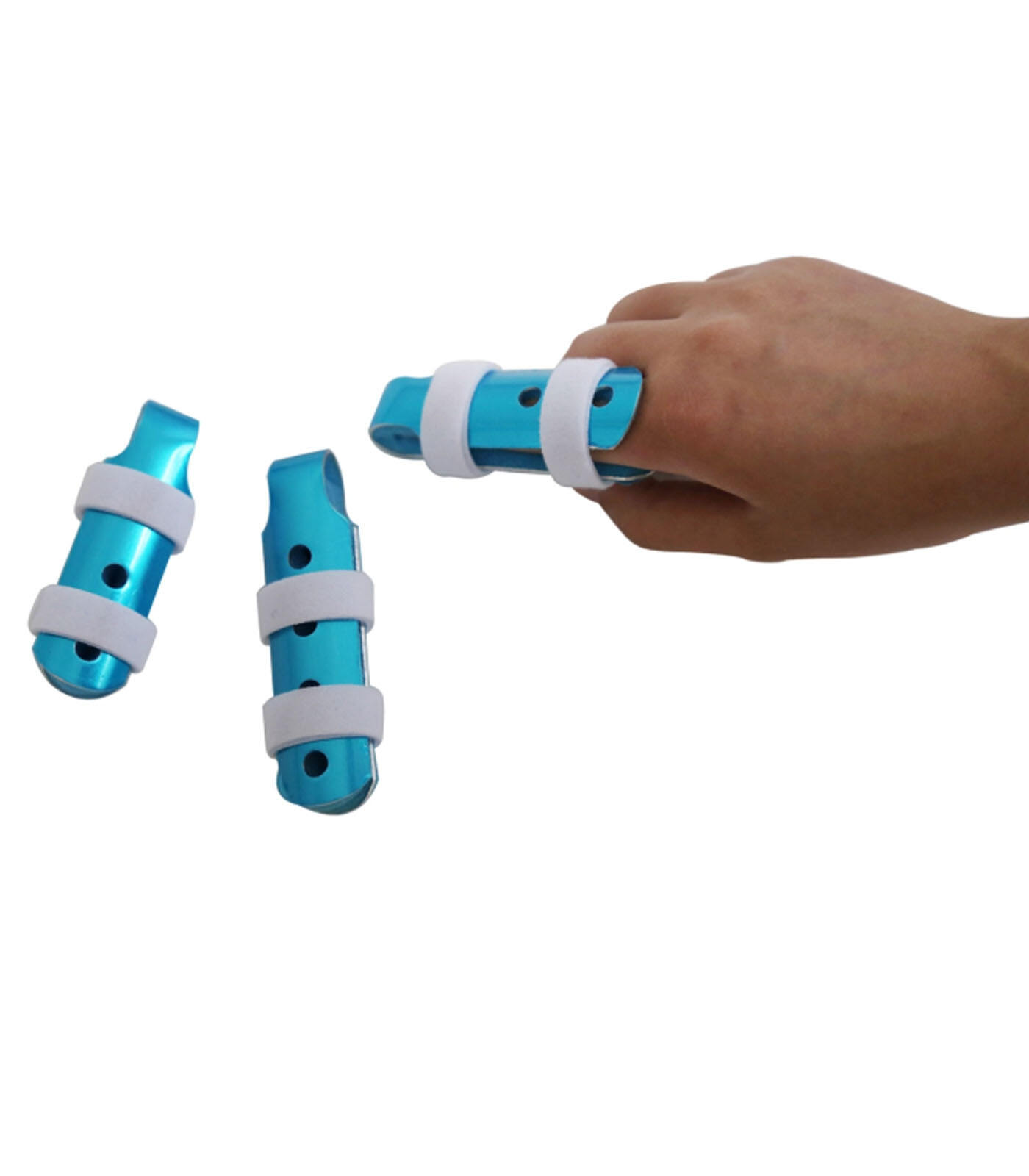
Understanding Mallet Finger Injury and the Critical Role of the Mallet Finger Brace
Mallet finger happens when the tendon that straightens our fingers gets hurt, usually because something forces the fingertip down too far. Think about what happens when someone catches a baseball with their bare hand and the ball pushes the tip back against itself. The result? The fingertip just hangs there instead of being able to straighten out properly, creating that telltale droopy look we all recognize. If left alone, these injuries often lead to problems later on like constant pain, limited movement, or even odd shapes developing in the finger joints over time. To fix this, doctors typically recommend wearing a special splint that keeps the affected joint slightly bent backward between zero and ten degrees. This helps the damaged tendon heal correctly while still allowing some movement in the other parts of the finger. Getting treatment started quickly matters a lot too. Research published last year showed that people who put on their splints within seven days after getting hurt had around an 86 percent chance of completely recovering normal finger function.
Three biomechanical principles drive effective bracing:
- Continuous immobilization prevents tendon retraction and gap formation
- Precise joint positioning (0–10° hyperextension) maximizes tendon approximation without overstressing ligaments
- Stable, well-fitted fixation ensures consistent correction while minimizing skin irritation or vascular compromise
According to the 2023 guidelines from the European Federation of Societies for Surgery of the Hand (FESSH), when used properly, braces can cut down the chances of needing surgery by around 74%. Getting good results depends on several factors. First, the fit has to be right from day one, especially considering how much swelling occurs right after an injury. Patient education matters just as much though. People need to check their braces regularly for damage, adjust what activities they do each day, and absolutely avoid bending those finger joints actively at the tip. Taking the brace off too soon is still the number one reason treatments don't work out as planned.
Types and Features of Mallet Finger Braces: Matching Design to Patient Needs
Rigid vs. Dynamic Mallet Finger Braces: Indications, Pros, and Limitations
For acute mallet finger injuries, rigid braces made mostly from thermoplastic or sometimes aluminum are what doctors usually prescribe. These braces lock the fingertip joint completely straight while the tendons heal, which typically takes around six to eight weeks. According to research published last year in the Journal of Hand Therapy, patients wearing these rigid supports had better results overall. The study showed about 87% successful healing compared to just 78% when people used the flexible type instead. But there's a catch though. If someone wears one too long without proper fitting, they might end up with sore spots on their skin, even pressure sores developing over time. Some folks also notice changes in their nails that don't look quite right anymore after extended brace use.
Dynamic braces typically feature low load traction mechanisms and are generally used when dealing with chronic or recurring mallet finger issues, or when someone is coming off a period of strict immobilization. These devices do offer some range of movement which can make them more comfortable for daily activities, but require careful monitoring during clinic visits to prevent accidental overextension or improper positioning. Choosing the right brace isn't just about what feels good at the moment. Doctors look at several factors including when the injury occurred, how well the patient can manipulate objects, their job requirements, and most importantly whether they've shown they can follow through with treatment instructions consistently over time.
Material, Fit, and Skin Safety: Balancing Immobilization and Tolerability
A good mallet finger brace needs to provide proper support without irritating the skin. Materials that don't cause allergies and allow air circulation help prevent rashes and skin breakdown when worn for long periods. The thermoplastic versions can be molded to fit better, though they usually need a specialist to adjust them properly so there's no uncomfortable pressure spots, slipping around, or reduced blood flow. When the brace doesn't fit right, it really affects recovery results. Studies show people wearing loose or poorly fitted braces face about 40% greater chances of their bones not healing properly. Getting just the right amount of pressure is essential. Anyone in a brace should check their finger regularly, maybe every couple days, looking out for redness, blisters, or tingling sensations. If something feels off, seeing a doctor quickly stops serious problems from developing while still letting the treatment continue as planned.
Evidence-Based Protocols for Mallet Finger Brace Application and Wear
Standard 6–8 Week Immobilization Protocol and Adherence Strategies
The current standard treatment for mallet finger without surgery involves keeping the DIP joint extended continuously for about six to eight weeks. Research shows that patients who follow this protocol closely tend to recover functionally around 95% of the time. That means wearing the splint all day and night, even while sleeping or washing hands, and making sure not to bend the injured joint actively. How well someone sticks to this regimen turns out to be one of the most important factors in whether they actually get better. Some good approaches to help with compliance would be...
- Using visual timelines and analogies (e.g., “tendon healing is like knitting—pulling a thread unravels progress”) to reinforce biological rationale
- Scheduling structured weekly follow-ups to assess skin health, brace alignment, and edema resolution
- Applying silicone gel padding at high-friction sites, which lowers discontinuation rates by mitigating discomfort (a 23% reduction in abandonment, per the Journal of Hand Therapy, 2023)
Patients must understand that even brief episodes of unbraced flexion—such as during handwashing or dressing—can disrupt tendon apposition and reset the healing clock.
When Conservative Management Fails: Red Flags Prompting Reassessment or Referral
Persistent extensor lag exceeding 10° after 10 weeks of compliant bracing signals treatment failure. Other objective red flags include:
- Recurrent drooping immediately upon brace removal
- Development of proximal interphalangeal (PIP) joint hyperextension and DIP flexion (early swan-neck pattern)
- Unresolved joint swelling, progressive skin breakdown, or signs of infection
These findings warrant prompt orthopedic or hand surgery referral. Approximately 30% of mallet injuries ultimately require surgical fixation—often via tendon repair or DIP joint fusion—when non-operative management fails (Hand Clinics, 2022). Timely reassessment preserves joint integrity and improves outcomes for secondary interventions.
Maximizing Recovery: Post-Brace Rehabilitation and Functional Return
Removing the brace doesn't signal the end of healing, but rather the beginning of what comes next. Most people spend around six to eight weeks with their arm immobilized, so getting back into shape requires careful rehab work. The goal here is to get those tendons moving properly again, regain control over muscles that have been sitting idle, and avoid stiffness that might come back later. Typically, physical therapy starts off slow with simple movements that don't cause pain, helping patients move their joints through their full range again. As things progress, therapists introduce resistance exercises focused on building up strength in the extensor muscles and improving coordination between them. Many specialists focus particularly on exercises that isolate the distal interphalangeal joint extensions, applying resistance gradually to help reset the brain's understanding of how these fingers should move after being out of commission for so long.
When it comes to getting back to normal function after injury, therapists often use specific tasks like buttoning shirts, typing on keyboards, or handling various tools based on what someone does for work or in their everyday life. Research indicates that around 8 out of 10 patients make a complete recovery when they follow structured rehabilitation programs, compared to only about 60% success rate among those who try returning to activities on their own without supervision. Keeping an eye on things like lingering weakness in finger extension or changes in joint balance at the knuckles helps catch problems early so adjustments can be made before small issues become bigger ones. Many healthcare providers now incorporate remote therapy sessions along with customized home workout plans. These approaches have shown real benefits in maintaining regular practice and better results over time while still allowing professionals to monitor progress closely.