 EN
EN

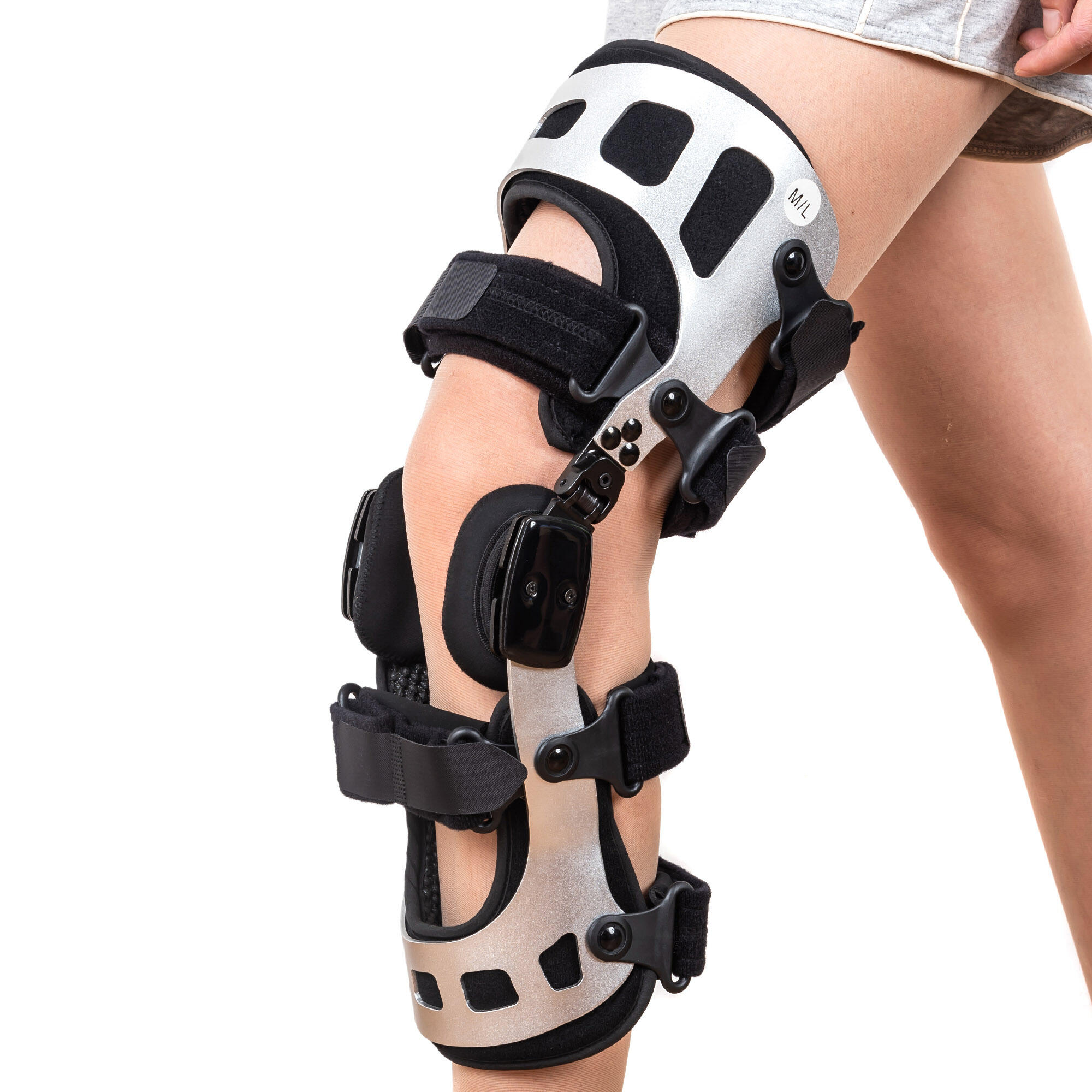
Global OEM Knee Brace Supplier Landscape and Market Positioning
Market segmentation: Regional players, tiered suppliers, and specialization trends
Different parts of the world have their own specialties when it comes to knee braces. North America tends to be strong in sports medicine applications, Europe has made a name for itself in clinical rehab tech, and Asia Pacific companies generally focus on making lots of affordable products. Looking at how suppliers operate, there are basically three categories out there. First, the big global companies that handle everything from start to finish. Then we get the niche innovators who are pushing boundaries with smart bracing technology. And finally, there are the regional players who stick to standard products for local markets. The market is getting more specialized all the time. About a third of companies now focus specifically on sports performance gear, while others work on designs tailored for people with osteoarthritis or kids needing orthoses. This division actually helps medical distributors match what they buy with what doctors need, how much they can scale production, and what fits within their budgets.
Vendor comparison: Breg, Bauerfeind, Enovis, Ottobock, Ôssur, and Tynor as top OEM knee brace supplier candidates
There are six key manufacturers that really stand out among OEM partners, each bringing something unique to the table. The German company has built its reputation on extensive biomechanical research, creating some pretty impressive ligament protection systems. Meanwhile, a big name from the US dominates the athletic support segment thanks to their patented hinge technology. Scandinavia contributes two major players too. Ôssur is known for pioneering those smart braces controlled by microprocessors for osteoarthritis patients, while Ottobock focuses on making lightweight carbon fiber composites that revolutionized brace design. Enovis stands apart by weaving surgical recovery protocols directly into their bracing solutions, which helps patients stick with their post-operative routines better. Breg keeps things solid in the American market through designs backed by real clinical evidence. Then there's Tynor, a newer entrant from Asia that's making waves with its ability to produce large volumes at competitive prices. These top tier suppliers control around two-thirds of the global market due to their strong patent positions and collaborations with medical professionals. But watch out for regional specialists creeping into emerging markets with their flexible, locally based manufacturing setups that can respond faster to changing needs.
Core Capabilities of a Leading OEM Knee Brace Supplier
Smart brace innovation: Integration of sensors, connectivity, and real-time biomechanical feedback
Top manufacturers are putting tiny sensors inside knee braces these days to track things like how joints bend, where pressure builds up, and what kind of movements happen during activity. These smart braces connect through Bluetooth to phone apps, giving instant feedback on walking patterns and adjusting support as needed. For people recovering from ACL injuries, studies show these devices cut down the chance of getting hurt again by around 25% because they catch dangerous movements before damage occurs (research published in JOSPT last year). Inside each brace, small computers process all this sensor info and send warnings when something looks off, like a gentle buzz if someone overextends their knee. Instead of just sitting there passively, modern braces have become active parts of recovery programs. Patients stick with their rehab routines better when they get immediate responses, and doctors see much better results overall compared to traditional methods.
Advanced manufacturing: Role of 3D printing, CAD/CAM, and high-performance polymers in rapid iteration
Modern manufacturing techniques have really transformed how braces are developed, making the whole process much quicker and more accurate. Take 3D printing for instance it cuts down on prototyping time dramatically, sometimes going from weeks down to just a few hours. What's even better is that it can create those intricate lattice structures tailored specifically for each patient something that just isn't possible with old school injection molding methods. When combined with CAD/CAM systems, this tech delivers amazing precision, often getting down to sub-millimeter accuracy on those complicated body shapes. That kind of detail matters a lot when we need to properly support joints affected by disease. The materials used also make a big difference. Polymers such as PEKK weigh about 40% less than their metal counterparts while still holding up just fine. According to recent industry reports, around three out of every four top manufacturers can now deliver custom fitted braces within two days once they get a digital scan. This speed means patients start treatment sooner and lets designers keep refining their work based on real world feedback.
Scalability, Customization, and Supply Chain Maturity
From digital scanning to mass personalization: How top OEM knee brace suppliers enable patient-specific production at scale
The best original equipment manufacturers (OEMs) have cracked the code on making personalized products at massive scale thanks to their digital workflow integration. When patients step into the scanner, it takes less than a minute and a half to capture all the necessary body measurements, which automatically gets sent straight to computer aided design and manufacturing systems for quick turnaround. The factories themselves are set up with flexible production lines that churn out customized braces from special plastics, allowing them to handle thousands of different designs each month some companies hit around 10k custom units per month! With strategically placed regional warehouses and fast moving supply networks, even complicated orders reach customers within three days now. Amazingly enough, these companies keep defects below half a percent despite dealing with such varied body shapes and sizes. What this means is that getting truly personalized orthotics isn't just possible anymore it's actually becoming standard practice across the industry.
Regulatory Strategy and Commercial Readiness for Class II Devices
FDA 510(k) and De Novo pathways: What OEM knee brace supplier partners must demonstrate
When seeking FDA approval for their products, manufacturers of orthopedic braces need to decide whether to go through the 510(k) process or the De Novo pathway depending on how innovative their product is. The 510(k) approach involves showing that the new brace is substantially similar to existing devices already on the market, which typically takes around 142 days for the FDA to review after submitting test results and performance data. Companies developing cutting edge tech like braces with built-in sensors usually have no choice but to take the De Novo route, which means preparing detailed risk analyses and gathering solid clinical proof that these advanced devices actually work safely. Smart manufacturers know that getting through this maze faster comes down to keeping meticulous records of their design process, scheduling those critical talks with FDA officials before submitting paperwork, and making sure their quality control meets ISO 13485 standards right from the drawing board stage.
Reimbursement alignment: Clinical evidence, coding support, and payer engagement frameworks
Getting regulatory green light isn't enough for commercial viability these days. The real battle happens when it comes to getting paid for what's being sold. Medical device suppliers need solid proof at the highest clinical level that their products actually work better and save money compared to what doctors normally prescribe. Getting those special HCPCS code numbers right is absolutely critical for proper billing practices. Smart companies don't wait until problems arise but instead start talking to insurance companies early on with detailed reports and pushing for policy changes that support broader coverage. Some forward looking original equipment manufacturers even hire people specifically focused on reimbursement issues to help hospitals navigate all the paperwork, correct coding, and dealing with denied claims. And let's not forget about collecting data after products hit the market. This real world performance information becomes gold dust during negotiations with insurers, showing exactly how effective treatments are over time and where costs actually go down. These factors matter a lot in today's healthcare landscape where payment systems increasingly reward good results instead of just counting procedures.
Frequently Asked Questions
What are OEM knee braces?
OEM knee braces are orthopedic devices designed and manufactured by original equipment manufacturers specifically for knees, providing support and improving functionality for users.
Why is the De Novo pathway important for innovative knee braces with sensors?
The De Novo pathway is essential for knee braces with built-in sensors because it requires manufacturers to demonstrate clinical proof of safety and effectiveness for novel technology not comparable to existing devices.
How do smart knee braces help in rehabilitation?
Smart knee braces aid rehabilitation by integrating sensors that offer real-time feedback, enabling users to adjust movements and avoid harmful actions, thus reducing re-injury risk.
How does 3D printing enhance knee brace manufacturing?
3D printing speeds up knee brace production by reducing prototyping time, and enables the creation of custom lattice structures for personalized fit, improving overall support and comfort.
What role do regional players play in the global knee brace market?
Regional players contribute to the knee brace market by providing locally manufactured, standard products that cater to specific regional needs, helping meet diverse consumer demands efficiently.