 EN
EN

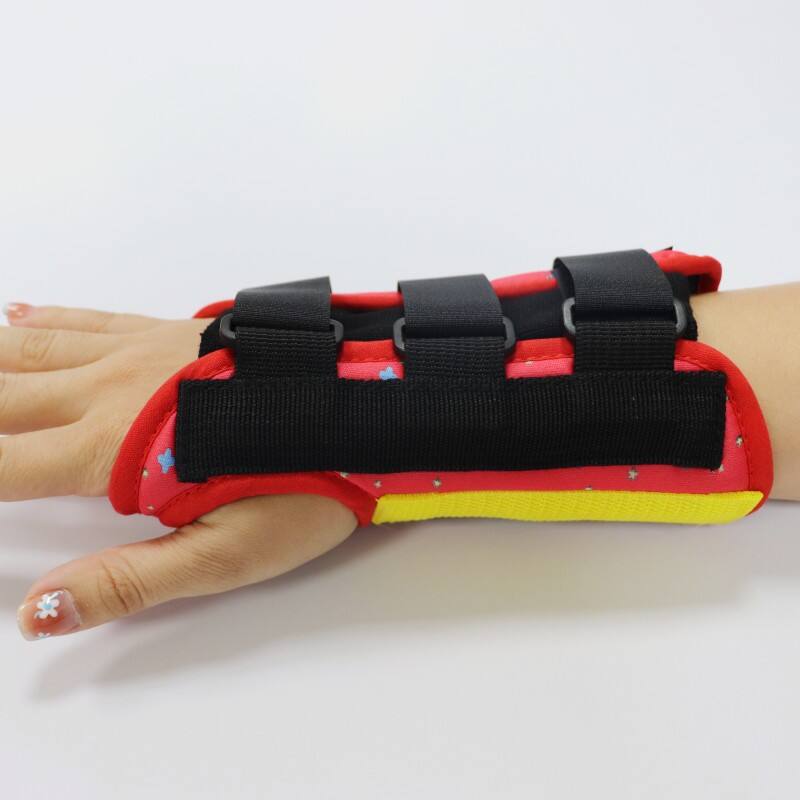
Understanding the Purpose and Benefits of Orthopedic Wrist Stabilizers
The Growing Need for Wrist Support in Clinical and Daily Activities
Our day to day lives today put serious stress on our wrists. Think about all those hours spent typing at keyboards, doing assembly line work, or scrolling through smartphones. Add to that an older population and people getting into more sports than ever before, and it's no wonder we're seeing so many wrist problems cropping up. According to recent stats from the Bureau of Labor Statistics, around 3 out of every 100 working adults deal with carpal tunnel issues each year. Doctors aren't just handing out wrist supports after surgery anymore either. More and more they're recommending these orthopedic stabilizers as everyday gear for folks who spend their days doing repetitive motions. These devices actually help prevent tiny tears in the wrist tissues that happen over time. When someone starts wearing them early enough, they can stop minor injuries from turning into major chronic pain down the road.
How Orthopedic Wrist Stabilizers Aid in Injury Prevention and Recovery
Orthopedic wrist stabilizers deliver targeted therapeutic benefits through three biomechanical mechanisms:
- Motion control, limiting harmful flexion and extension during high-risk movements;
- Therapeutic compression, enhancing local circulation to accelerate tissue repair;
- Load redistribution, shielding vulnerable structures—including healing ligaments, tendons, or surgical sites—from mechanical stress.
When combined, these methods help cut down on inflammation, encourage cell repair, and keep joints properly aligned which is really important for avoiding another injury down the road. Research from the Journal of Rehabilitation Medicine back in 2022 found something interesting too patients who used proper stabilizing devices got their mobility back about 40 percent quicker compared to folks who tried to recover without any kind of support. What makes these devices so useful is their adjustable nature allowing doctors to change how much support someone gets depending on where they are in their recovery journey. That's why we see them all over sports clinics and in treatment centers dealing with long term muscle and bone issues.
Common Types of Wrist Stabilizers and Their Medical Indications
Sleeve, Splint, and Hybrid Designs: Matching Structure to Function
Wrist stabilizers are broadly categorized by structural rigidity and functional intent:
- Compression sleeves use elastic, breathable materials to deliver mild motion restriction and enhanced circulation—ideal for preventive use or mild tendonitis.
- Rigid splints, reinforced with thermoplastic or metal stays, provide full immobilization and are indicated for acute fractures, severe ligament sprains, or post-operative protection where movement must be strictly limited.
- Hybrid designs, such as removable splints integrated into neoprene sleeves, combine dynamic compression with customizable immobilization. This flexibility supports progressive rehabilitation and improves patient compliance by 30% compared to rigid-only options (Journal of Hand Therapy, 2021).
Choosing by Condition: Carpal Tunnel, Arthritis, Tendinitis, and Post-Injury Support
Selecting the right stabilizer requires aligning device features with pathophysiology:
- Carpal tunnel syndrome: Neutral-position braces—often worn at night or during typing—reduce median nerve compression by preventing wrist flexion.
- Osteoarthritis or inflammatory arthritis: Thermal-lined sleeves provide gentle compression and retained warmth, easing stiffness and improving joint tolerance during activity.
- Tendinitis or tenosynovitis: Lightweight sleeves with anatomically placed padding absorb repetitive tendon stress without restricting functional motion.
- Post-fracture or post-surgical recovery: Rigid or semi-rigid splints prevent radial/ulnar deviation and rotation until bony union or soft-tissue healing is confirmed clinically.
Condition-specific selection significantly improves outcomes: studies show a 41% greater improvement in functional scores versus generic supports (Arthritis Care & Research, 2022).
Key Features to Consider When Buying an Orthopedic Wrist Stabilizer
Compression and Breathability: Ensuring Therapeutic Effect Without Skin Irritation
Compression that works well helps blood flow better in small vessels and cuts down on swelling but if there's too much pressure, it can actually damage the skin or affect nerves and blood vessels. Fabrics that let air through and wick away sweat are really important for keeping things cool and preventing skin issues. Mesh backed neoprene or those plastic materials with holes in them work great for this purpose. Studies have found something interesting too patients who wore these breathable supports stuck with their treatment plans about 68 percent more often than others. That means when materials perform better in terms of breathability, we see better results in actual patient care according to findings published in the Journal of Orthopaedic Research last year.
Adjustability and Comfort for Extended Wear and Patient Compliance
People typically wear these items for over eight hours each day, especially at work or after surgery, so comfort really matters. The adjustable Velcro straps, shaped closures, and flat seams let users tweak the fit as their feet swell during the day without creating uncomfortable bulk underneath clothes. Doctors keep noticing something interesting too. When patients find their devices comfortable and fitting properly, they stick with them about 47% more often. This leads to faster healing times and means fewer trips to the pharmacy for pain meds.
Precise Fit and Sizing: Avoiding Slippage, Restriction, or Ineffective Support
If a stabilizer doesn't fit right, it basically defeats what it was made for. When it slips around, movement gets all messed up. If someone tightens it too much, blood flow can get cut off or nerves might get pinched. And if it's too loose? Well, then it just won't hold the joint properly. To get this right, measure the wrist circumference specifically at that spot where the two forearm bones meet, not when wearing clothes obviously. Check those size charts from the manufacturer too because there is actually a difference between measurements for the dominant hand versus the other one. Getting the proper fit means keeping those small wrist bones and lower arm bone secure without sacrificing finger movement needed for everyday stuff like typing or grabbing things.
Evaluating Support Levels: From Mild to Maximum Immobilization
Support Grading (Level 1–3): Aligning Stabilization with Injury Severity
A standardized three-tier support classification helps match device capability to clinical need:
- Level 1 (mild support): Elastic sleeves offering light compression and minimal motion restriction—appropriate for prevention or resolving minor strains.
- Level 2 (moderate support): Semi-rigid designs with flexible stays or segmented splints—indicated for active tendinitis, early degenerative arthritis, or return-to-work protocols requiring balanced mobility and protection.
- Level 3 (maximum immobilization): Fully rigid thermoplastic or aluminum-reinforced units—prescribed for unstable fractures, ligament reconstructions, or severe instability where uncontrolled motion threatens healing.
Clinicians determine the appropriate level based on objective findings—including ligament laxity testing, imaging results, pain patterns, and functional demands—not symptom severity alone. Under-support risks recurrent injury; over-support may accelerate disuse atrophy and delay neuromuscular re-education.
Innovations in Orthopedic Wrist Stabilizer Technology and Design
Smart Materials and Low-Profile, Breathable Fabrics for Enhanced Wearability
Textile engineering has made some pretty impressive strides recently, leading to new stabilizer designs with cool features like polymers that respond to body movements, cooling linings that change phases, and super thin but strong composite materials. What makes these materials stand out is their ability to provide compression that moves with the body while also handling sweat and heat effectively. Most people stop using devices because they're uncomfortable or get too hot, so this addresses those exact problems. According to a study from multiple centers in 2025, patients wearing these newer versions stayed compliant with their treatment plans about 92% of the time they were supposed to wear them. That's actually a 40% improvement compared to older models, which shows just how much better these innovations are making things for users.
Modular and Future-Proof Designs for Long-Term Clinical and Personal Use
The modular design of these systems comes with lots of options including different types of splints that can be swapped out, tension straps that are easy to adjust, plus either magnetic or sliding locks for securing everything in place. This flexibility means doctors can tweak how much support patients get during their recovery journey without having to switch out entire devices at every stage. We're seeing more focus on sustainability lately too. Many products now feature polymer frames made from materials that can actually be recycled, fabric parts that wear out and need replacing separately, and adjustments that don't require any tools whatsoever. All these features help things last longer while cutting down on all that wasted equipment piling up in clinics. With rehab programs getting more tailored to individual needs across different phases of healing, these kinds of adaptable stabilizers really shine when it comes to providing good quality care that doesn't break the bank either.
FAQ
What are orthopedic wrist stabilizers used for?
Orthopedic wrist stabilizers are used to provide support and prevent injury during repetitive activities. They assist in motion control, therapeutic compression, and load redistribution to help with inflammation reduction, encourage healing, and maintain proper joint alignment.
How do I choose the right wrist stabilizer?
Choosing the right wrist stabilizer depends on your specific condition, such as carpal tunnel syndrome, arthritis, tendinitis, or post-injury support. It's important to align the stabilizer's features, like compression and adjustability, with the specific needs of your condition.
Why is breathability important in a wrist stabilizer?
Breathability is important to prevent skin issues and enhance comfort during extended wear. Fabrics that allow air circulation and wick away moisture can help maintain comfort and improve patient compliance with treatment plans.
What are the benefits of smart materials in wrist stabilizers?
Smart materials in wrist stabilizers offer enhanced wearability and compliance by responding to body movements and effectively handling sweat and heat. Innovations like these have shown significant improvement in adherence to treatment plans.
Table of Contents
- Understanding the Purpose and Benefits of Orthopedic Wrist Stabilizers
- Common Types of Wrist Stabilizers and Their Medical Indications
- Key Features to Consider When Buying an Orthopedic Wrist Stabilizer
- Evaluating Support Levels: From Mild to Maximum Immobilization
- Innovations in Orthopedic Wrist Stabilizer Technology and Design
- FAQ