 EN
EN

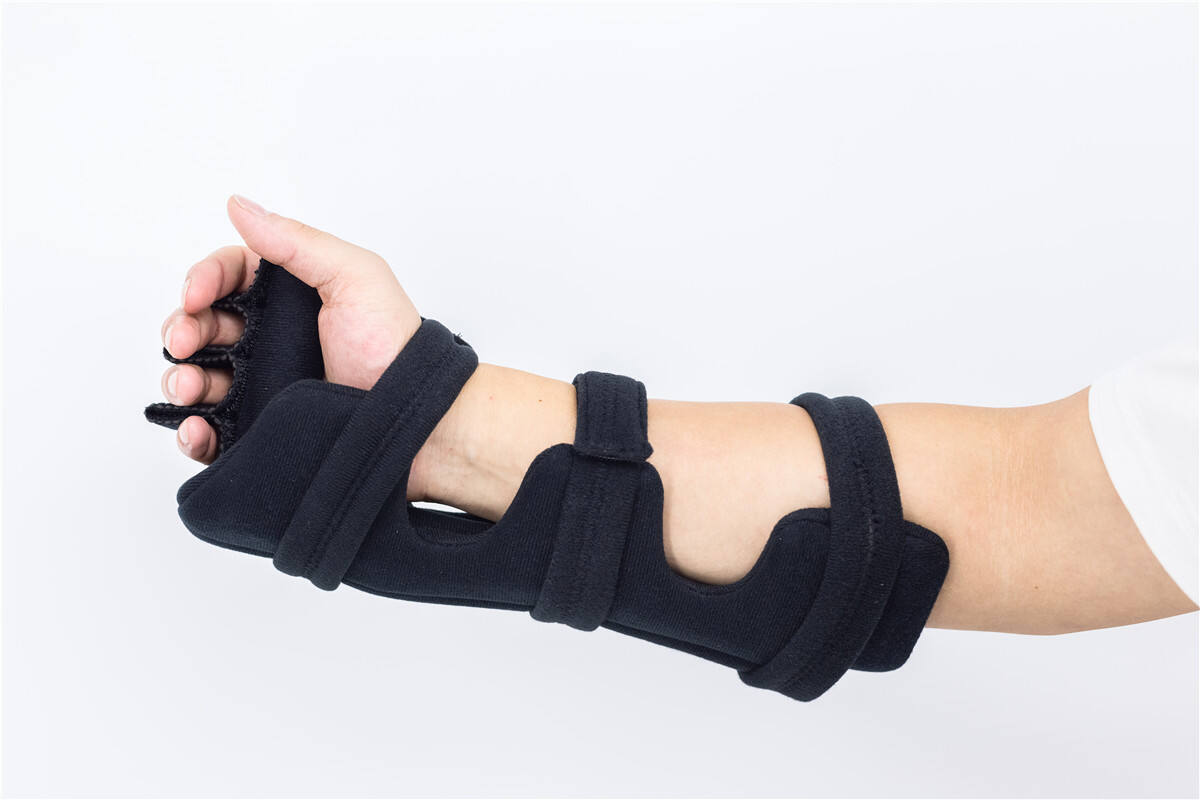
How a Wrist Stabilizer Brace Supports Healing Biomechanics
Stabilizing Joint Alignment During Acute Injury and Inflammation
When someone suffers an acute wrist injury, inflammation kicks in and throws off the normal joint mechanics, putting extra strain on those ligaments and tendons. Wearing a wrist stabilizer helps out by keeping the wrist in its proper position, which cuts down on pressure for injured tissues during movements. Some rehab studies suggest this can reduce pressure by around 40%. The stability provided stops harmful misalignments as swelling goes down, giving cells a better chance to heal properly. These braces work because they limit twisting motions and side-to-side shifts, which means fewer pain signals get sent to the brain. People with sprains or tendonitis often find their recovery period shorter when using such supports, sometimes cutting the inflammation phase by about 5 to 7 days instead of just letting things heal naturally without support.
Preventing Harmful Motion While Preserving Functional Range in Early Recovery
After the inflammation subsides, getting some controlled movement going is really important to stop stiffness from setting in but still let the healing happen properly. Wrist braces these days have adjustable hinges built right in. These hinges stop dangerous overextension beyond about 70 degrees and also limit side-to-side movements of the wrist. At the same time they allow for normal bending and straightening between roughly 30 to 50 degrees. This kind of selective restriction helps keep tendons moving smoothly and muscles active, which matters a lot because it stops scar tissue from forming when new collagen is being laid down. Most medical professionals agree that protecting the wrist during those crucial first three weeks after injury actually helps retrain the nervous system around the joint. Studies show this approach cuts down on reinjuries during early rehab by about a third. Plus, it gives tissues better chances to regenerate naturally while keeping the joints aware of their position in space.
Evidence-Based Benefits of a Wrist Stabilizer Brace Across Common Conditions
Carpal Tunnel Syndrome and Post-Surgical Recovery Outcomes
Regular wearing of wrist support braces makes a real difference in treating carpal tunnel symptoms. When wrists stay in their natural position, the pressure on the median nerve drops during everyday movements. Occupational therapists have observed that people who wear these braces at night report up to 68% less tingling and numbness after just a month or so. After surgery, patients need something sturdier than regular wrist wraps. These rigid supports keep everything stable while tendons heal properly, which means folks can get back to doing normal things sooner without worrying about pulling stitches loose. A recent study from last year showed that those using proper post-op braces had about 41% fewer problems following surgery compared to just wearing soft elastic bands. The main reason? Better control over how scar tissue forms around the surgical site.
Tendonitis, Arthritis Flare Management, and Fracture Rehabilitation Support
Compression braces help manage inflammation for conditions like tendonitis and inflammatory arthritis, often cutting down how long flare-ups last. These braces come with thermoplastic supports that stop joints from overextending during bad flare days while still allowing about half the normal movement range. That's pretty important because keeping some mobility helps avoid stiffness problems later on. When dealing with fractures, adjustable braces offer something special they strike a balance between keeping the bone stable and gradually introducing movement as healing progresses. Medical imaging shows bones actually mend around 23 percent quicker when patients move their injured area under controlled conditions instead of being stuck in a full cast all the time. This approach also cuts down muscle loss risks significantly. Plus, many modern brace designs have modular parts that can expand or contract depending on daily swelling levels, making them much more comfortable for people managing chronic inflammatory arthritis symptoms.
Key Design Features That Make a Wrist Stabilizer Brace Effective
Adjustable Compression, Thermoplastic Splinting, and Breathable Materials
The success of therapeutic treatments really comes down to three main design components working together. First, adjustable compression allows doctors to fine tune the pressure applied to swollen areas while still keeping blood flowing properly this is especially important when dealing with different levels of inflammation from patient to patient. Second, thermoplastic splints offer the kind of firmness needed for proper joint stabilization without adding unnecessary bulk. These splints stop dangerous movements like bending or stretching too much which can actually slow down recovery time. Lastly, the materials used are designed to let air circulate and pull sweat away from the skin. This helps prevent rashes and reduces the risk of infections when patients need to wear their devices for long periods. When all these aspects come together, they address what often seems like impossible contradictions in medical care getting enough support without sacrificing comfort, maintaining stability while allowing some breathing room making sure treatments work well and patients keep using them as prescribed.
Best Practices for Using a Wrist Stabilizer Brace in Clinical Recovery Protocols
Timing, Wear Duration, and Progressive Tapering Aligned with Tissue Healing Stages
Getting good results from rehab means matching when someone wears their brace to how their body is actually healing. In the first week or so after an injury, when everything is swollen and sore, it's usually best to keep that brace on all day long to stop things from getting worse. Around weeks two to four, most people can start cutting back a bit. Maybe wear it just during the day when doing normal stuff, but take it off at night so joints don't get too stiff. By about month four, many folks begin reducing brace time gradually, maybe taking it off for an extra hour each week while starting some gentle exercises. This kind of step-by-step plan helps protect injured areas without locking them up completely. Some research suggests that following these timing rules instead of keeping braces on forever leads to better recovery rates, though numbers vary quite a bit between different studies. Still, talking to a physiotherapist makes sense since everyone heals differently depending on what exactly got hurt and how bad it was.
FAQs
What are the primary benefits of using a wrist stabilizer brace?
A wrist stabilizer brace provides support by stabilizing the joint, reducing harmful motion, preventing scar tissue formation, and aiding in pain relief. It's particularly effective in conditions like carpal tunnel syndrome, tendonitis, and during post-surgical recovery.
How does a wrist stabilizer brace help in healing an acute wrist injury?
By keeping the wrist in its proper position, the brace reduces pressure on injured tissues, helps prevent harmful misalignments, and lets cells heal properly. It also minimizes twisting motions and side-to-side shifts, reducing pain and speeding up recovery.
Are wrist braces effective for managing arthritis and tendonitis?
Yes, compression braces help manage inflammation, reduce flare-up durations, and prevent joint overextension, all while allowing some mobility to prevent stiffness.
When should I wear a wrist stabilizer brace during recovery?
In the initial stages of recovery, it is best to wear the brace all day to reduce strain on the wrist. As recovery progresses, usage can be gradually reduced following the guidance of a healthcare provider.