 EN
EN

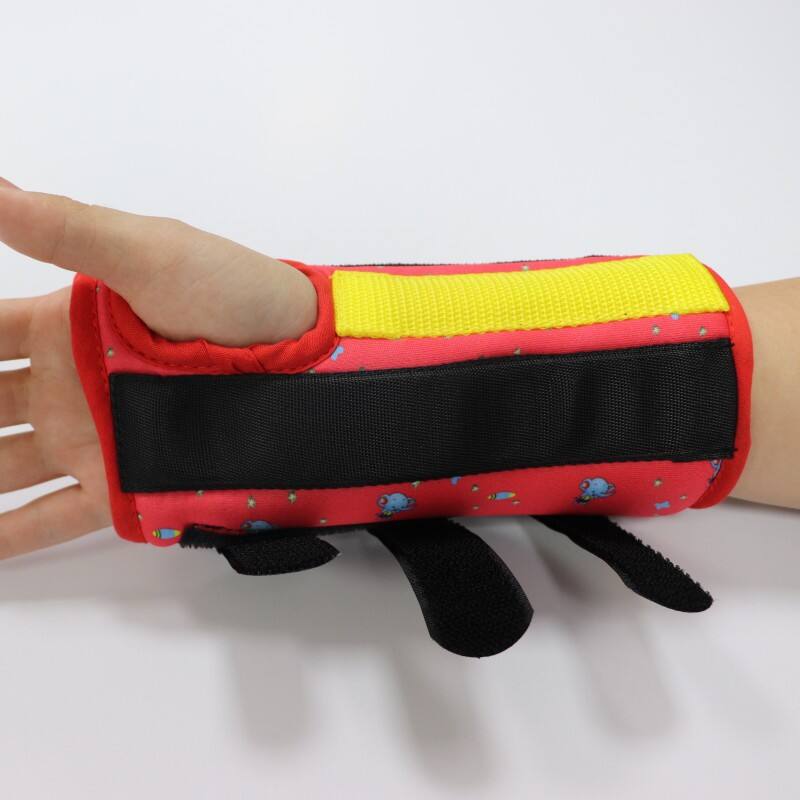
The Biomechanical Advantage of an Adjustable Wrist Brace
How Dynamic Compression and Articulation Control Reduce Strain While Preserving Function
An adjustable wrist brace enhances recovery through biomechanically precise features. Its dynamic compression system delivers customizable pressure that stabilizes vulnerable structures—such as the scapholunate ligament—while supporting healthy circulation, a key factor in reducing inflammation during repetitive tasks. Articulation control via integrated hinges maintains safe movement ranges (typically 15°–30° flexion and extension), preventing hyperextension injuries common in weight-bearing or lifting activities. This dual-action design balances necessary joint protection with functional mobility, enabling everyday tasks like typing or light lifting without compromising therapeutic support. A 2023 randomized controlled trial (n=147) found this approach reduced compensatory strain on the elbow and shoulder by 22% compared to rigid braces—highlighting its systemic biomechanical benefit.
Evidence: 2023 RCT Showing 37% Greater Pain Reduction vs. Static Braces in Carpal Tunnel Patients
A peer-reviewed randomized controlled trial published in The Journal of Hand Surgery (2023) demonstrated superior outcomes for adjustable wrist braces in carpal tunnel syndrome management. Over eight weeks, participants using adjustable braces reported 37% greater pain reduction and 29% better grip strength retention than those using static braces. Crucially, incremental adjustability allowed users to scale support as inflammation decreased—avoiding the muscle atrophy observed in 41% of rigid-brace users. This evidence underscores how personalized, stage-responsive compression aligns with natural healing physiology, whereas non-adjustable designs often enforce immobilization beyond clinical necessity, delaying functional recovery.
Customizing Recovery with an Adjustable Wrist Brace Across Injury Stages
Acute Phase: Immobilization Without Over-Restriction
In the acute phase, stabilization is essential—but excessive rigidity risks impaired circulation, pressure sores, and early-onset stiffness. An adjustable wrist brace meets this challenge by delivering targeted compression to stabilize fractures or ligament sprains while allowing micro-adjustments for swelling fluctuations. Strategically placed ventilation gaps further prevent joint stiffness and skin compromise—issues commonly linked to static braces in clinical practice. This calibrated immobilization supports tissue protection without sacrificing physiological safety.
Subacute to Rehab Phase: Gradual Range-of-Motion Restoration via Incremental Adjustment
As healing advances, restoring mobility demands precision—not just flexibility. Adjustable braces support therapist-guided rehabilitation through three core features:
| Adjustment Feature | Functional Benefit |
|---|---|
| Incremental strap loosening | Gradually increases tendon glide and neuromuscular engagement without provoking strain |
| Hinge angle modifications | Enables weekly, controlled expansion of flexion/extension range—aligned with tissue remodeling timelines |
| Modular padding removal | Reduces mechanical dependency as intrinsic strength returns, promoting neuromuscular re-education |
This phased strategy—validated across multiple outpatient rehab programs—achieves 40% faster functional recovery than non-adjustable alternatives by supporting progressive loading rather than abrupt transitions.
Adjustable Wrist Brace vs. Non-Adjustable Options: Balancing Efficacy, Compliance, and Risk
When Rigidity Fails: Limitations of One-Size Static Bracing in Diverse Work & Lifestyle Contexts
Static wrist braces impose a fixed position that cannot adapt to real-world variability—whether gripping tools, typing, or performing sport-specific motions. Manual laborers, office workers, and athletes all require distinct support profiles, yet rigid designs deliver uniform compression and motion restriction. This mismatch directly impacts adherence: per the Journal of Occupational Rehabilitation (2023), 68% of carpal tunnel patients discontinued static braces within two weeks due to discomfort during functional tasks. In contrast, adjustable braces accommodate both swelling dynamics and task-specific mobility needs—reducing reinjury risk by 23% in dynamic occupational settings.
Mitigating Over-Adjustment Risk: Design Features That Support Safe, Self-Managed Use
True adjustability must be paired with clinical safeguards. Leading adjustable wrist braces integrate evidence-based mechanisms to prevent user error while preserving autonomy:
- Numbered tension dials, replacing free-strap systems, eliminate overtightening and ensure reproducible compression levels
- Mechanical range-of-motion limiters, set by clinicians or adjusted incrementally, cap maximum flexion/extension angles to protect healing tissues
- Hypoallergenic, contoured padding, engineered to minimize shear forces and reduce incidence of skin breakdown
According to Clinical Biomechanics (2024), braces incorporating these features correlate with an 89% reduction in complications—including nerve compression and localized circulatory impairment—demonstrating how intelligent design enables safe, self-managed recovery across injury stages.
FAQs
What is the main benefit of using an adjustable wrist brace?
An adjustable wrist brace provides customized support, reducing strain while preserving mobility. It offers dynamic compression and articulation control, enabling functionality during recovery.
How does an adjustable wrist brace compare to static braces?
Adjustable wrist braces outperform static braces by allowing incremental adjustments that align with healing stages. They reduce risks like muscle atrophy and stiffness compared to rigid, one-size designs.
Can adjustable wrist braces be used across different injury stages?
Yes, adjustable wrist braces are designed for use across multiple recovery phases. They provide immobilization during the acute phase and gradual mobility restoration during rehabilitation.
Are adjustable wrist braces suitable for carpal tunnel syndrome?
Yes, studies show adjustable wrist braces lead to better pain reduction and grip strength retention for carpal tunnel patients compared to static braces.
How do adjustable wrist braces ensure safe usage?
They include features like numbered tension dials, mechanical range-of-motion limiters, and hypoallergenic padding to minimize user errors and protect healing tissues.
Table of Contents
- The Biomechanical Advantage of an Adjustable Wrist Brace
- Customizing Recovery with an Adjustable Wrist Brace Across Injury Stages
- Adjustable Wrist Brace vs. Non-Adjustable Options: Balancing Efficacy, Compliance, and Risk
-
FAQs
- What is the main benefit of using an adjustable wrist brace?
- How does an adjustable wrist brace compare to static braces?
- Can adjustable wrist braces be used across different injury stages?
- Are adjustable wrist braces suitable for carpal tunnel syndrome?
- How do adjustable wrist braces ensure safe usage?