 EN
EN

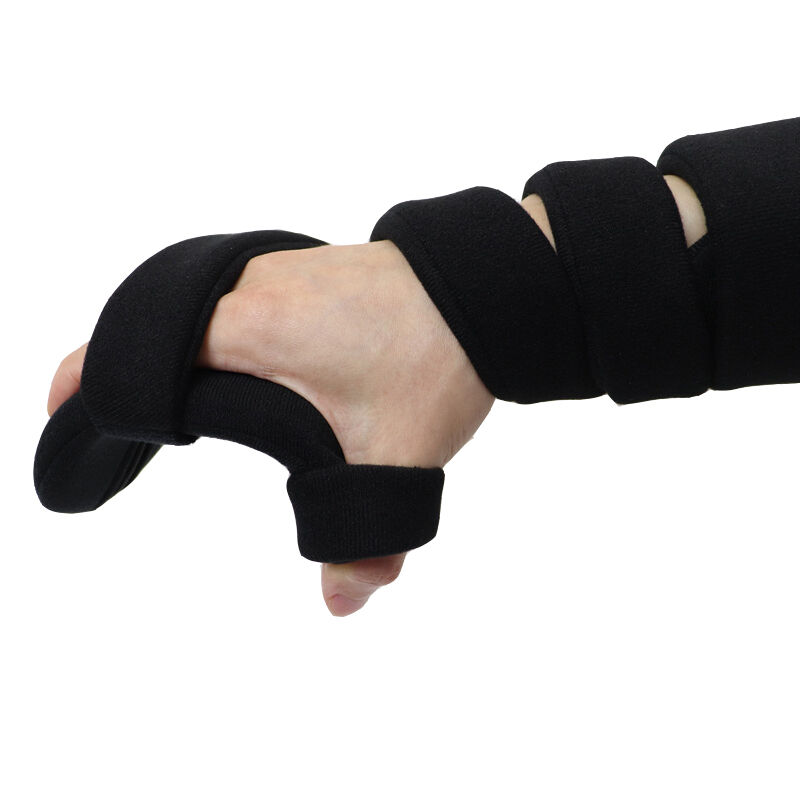
When to Use an Orthopedic Wrist Stabilizer: Evidence-Based Indications
Carpal Tunnel Syndrome: Neutral positioning for median nerve decompression
Maintaining neutral wrist alignment (0–15° extension) reduces pressure on the median nerve by approximately 80% during repetitive activities and prevents nocturnal flexion—a key contributor to symptom exacerbation. Clinical evidence shows that consistent nighttime use of neutral-position stabilizers leads to 50% faster symptom resolution compared to standard splinting alone. Rheumatology and hand therapy guidelines recommend wearing these devices nightly for 4–8 weeks to resolve nocturnal paresthesia and halt progression in mild-to-moderate cases.
Osteoarthritis and inflammatory arthritis: Stabilization to reduce joint loading and pain
Orthopedic wrist stabilizers mitigate mechanical stress on degenerated or inflamed articular surfaces by restricting extreme motion—particularly extension beyond 25°—reducing joint-loading forces by 30–40% during functional tasks. Per American College of Rheumatology (ACR) and European League Against Rheumatism (EULAR) recommendations, they serve as adjuncts to pharmacotherapy in moderate-to-severe osteoarthritis and rheumatoid arthritis flares. Custom-molded designs demonstrate superior outcomes, with patients reporting 65% greater pain reduction during activities of daily living versus off-the-shelf supports.
Post-surgical and post-fracture protocols: Timing and duration of orthopedic wrist stabilizer use
Post-operative immobilization prioritizes early protected motion over rigid fixation. For distal radius fractures, transition from cast to hinged stabilizers typically occurs at 3–4 weeks to enable controlled range-of-motion exercises while preserving bony integrity. After carpal tunnel release, clinical consensus supports initiating rigid neutral-position stabilization within 48 hours—supporting tendon gliding without compromising surgical site integrity. Soft tissue repairs (e.g., TFCC tears, ligament reconstructions) require 6–10 weeks of stabilizer wear followed by structured weaning, significantly lowering re-injury risk compared to abrupt discontinuation.
How Orthopedic Wrist Stabilizers Work: Mechanisms Behind Pain Relief and Healing
Biomechanics of neutral wrist alignment: Reducing pressure on tendons and nerves
Neutral wrist positioning—defined biomechanically as 10–30° extension—lowers carpal tunnel pressure by up to 90% relative to flexed or extended extremes. This alignment minimizes compression of the median nerve and reduces friction between tendons and the transverse carpal ligament. Rigid or semi-rigid orthopedic stabilizers enforce this posture through anatomically contoured stays, distributing load across the radiocarpal joint rather than concentrating it at vulnerable points. Patients with carpal tunnel syndrome report 40% less nocturnal pain when using such devices, and longitudinal studies link sustained neutral alignment with reduced expression of pro-inflammatory cytokines in peritendinous tissues—indicating a direct anti-inflammatory effect tied to mechanical unloading.
Medical-grade compression and proprioceptive feedback in functional recovery
Therapeutic compression in modern stabilizers delivers 15–25 mmHg—clinically validated to enhance venous return without impeding arterial flow. This level reduces acute edema by 30% within 72 hours while improving tissue oxygenation critical for collagen synthesis and fibroblast activity. Strategically placed padding and textured liners also stimulate cutaneous mechanoreceptors, delivering real-time proprioceptive input that enhances movement awareness and discourages harmful hyperextension. In athletic rehabilitation, proprioceptive-enhanced stabilizers correlate with 25% shorter return-to-sport timelines—not through passive restriction, but by integrating neuromuscular re-education into daily function. This dual-action mechanism transforms immobilization from static containment into dynamic, biologically informed recovery.
Choosing the Right Orthopedic Wrist Stabilizer: Design, Fit, and Clinical Matching
Volar splint, thumb spica, and sugar tong — indications and functional trade-offs
Volar splints immobilize the wrist in neutral while preserving full finger dexterity, making them first-line for carpal tunnel syndrome and grade I–II sprains. Thumb spica variants add oppositional stability ideal for scaphoid fractures and de Quervain’s tenosynovitis but limit pinch and grip versatility. Sugar tong braces provide maximal rotational control for unstable fractures or post-reconstructive care yet compromise functional independence—restricting cup-holding, keyboard use, and hygiene tasks. Evidence underscores context-specific utility: volar splints support 85% grip function recovery in tendinitis (Journal of Hand Therapy, 2023), whereas sugar tong braces reduce fracture displacement risk by 70%—but increase early-stage muscle atrophy due to prolonged immobilization.
Critical selection factors: Anatomic fit, adjustability, breathability, and day/night versatility
Optimal selection rests on four evidence-backed criteria. Poor anatomic fit increases iatrogenic nerve compression in 40% of cases (Ergonomic Review, 2023), emphasizing the need for contoured, low-profile designs matched to individual hand-wrist proportions. Multi-point adjustable strapping accommodates dynamic swelling changes without compromising circulation. Breathable, antimicrobial-lined fabrics reduce skin complications—including maceration and contact dermatitis—by 60%. Finally, day/night versatility reflects phased recovery needs: daytime models balance support with mobility via flexible stays and open-palm designs, while nighttime variants prioritize rigidity with reinforced palmar supports to maintain strict neutral alignment throughout sleep.
| Feature | Clinical Benefit | Key Consideration |
|---|---|---|
| Anatomic Fit | Prevents pressure sores & nerve irritation | Measure wrist/hand circumference precisely |
| Multi-strap Adjustment | Maintains compression during swelling | Avoid over-tightening to preserve circulation |
| Breathable Fabric | Reduces skin complications by 60% | Prioritize antimicrobial liners |
| Day/Night Versatility | Supports phased recovery protocols | Reinforced palmar stays for nocturnal use |
FAQ
What is the main purpose of using an orthopedic wrist stabilizer?
An orthopedic wrist stabilizer is used to support and immobilize the wrist, reduce mechanical stress on the joint, and promote healing. It is particularly useful for conditions such as carpal tunnel syndrome, arthritis, and post-surgery or injury recovery.
How does neutral wrist alignment help in pain relief?
Neutral wrist alignment (10–30° extension) reduces pressure on the carpal tunnel, minimizes median nerve compression, and decreases tendon friction. This biomechanical positioning alleviates discomfort and lowers inflammation in soft tissues.
Can an orthopedic wrist stabilizer be worn all day?
While some stabilizers are designed for all-day use, it depends on the condition being treated. For example, daytime variants allow mobility with support, while nighttime braces offer rigid stabilization for recovery during sleep.
How do I measure for the right fit of a wrist stabilizer?
Measure the circumference of your wrist and hand to ensure an accurate fit. Proper sizing prevents pressure sores and nerve compression caused by ill-fitting devices.
What features should I look for in a wrist stabilizer?
Key features include anatomic fit, multi-strap adjustability, breathable fabric, and day/night versatility. These factors cater to optimal comfort, functionality, and recovery needs.