 EN
EN

Types of Posture Correction Back Support Devices: Choosing What Fits Your Needs
Lumbar Braces, Ergonomic Chairs, and Smart Wearables Compared
Three primary posture correction back support solutions cater to different needs:
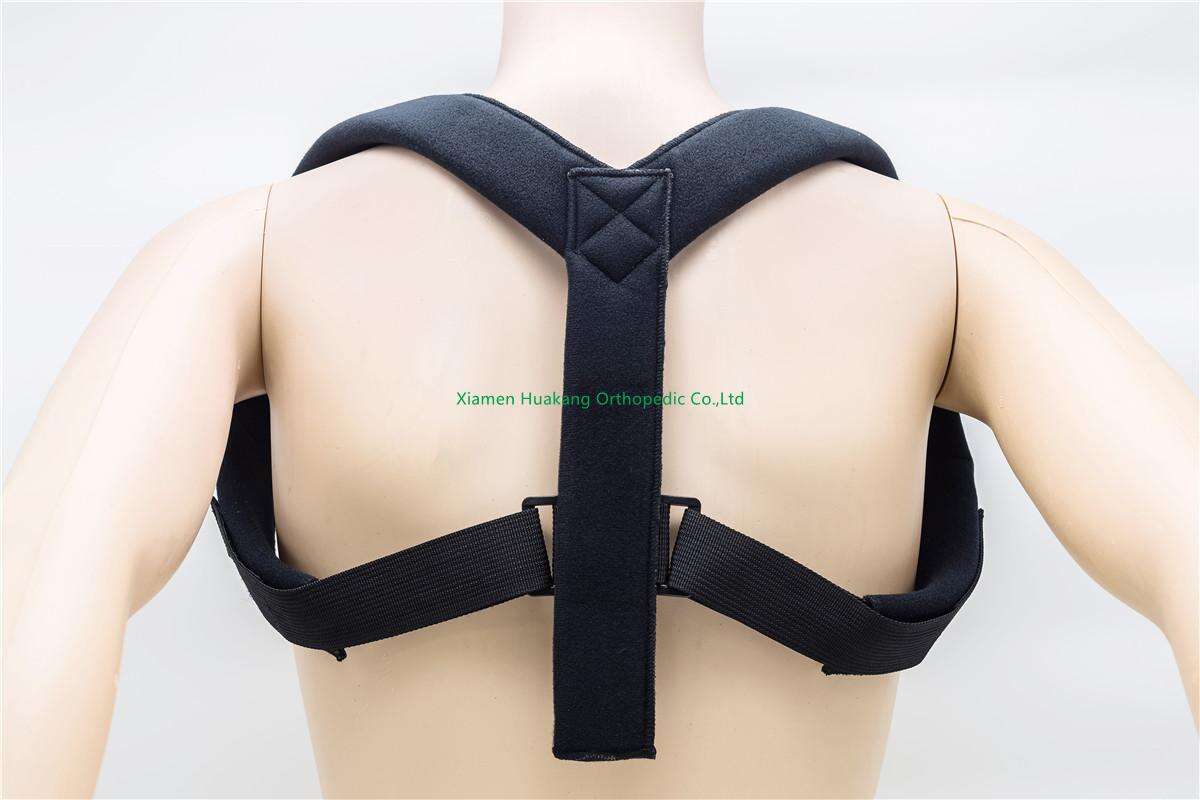
- Lumbar braces provide adjustable external support through shoulder straps and rigid panels, immediately aligning the spine during movement. Clinical studies show they reduce upper-back pain by 62% during short-term use—but prolonged reliance may limit natural muscle engagement and delay neuromuscular adaptation.
- Ergonomic chairs maintain spinal curves during seated work via adjustable lumbar pads and dynamic tilt mechanisms. They reduce intervertebral disc pressure by 35% compared to standard office chairs, yet offer no postural benefit outside seated contexts.
- Smart wearables use inertial sensors to detect slouching and deliver real-time vibration feedback. This active biofeedback promotes neuromuscular re-education, with users demonstrating 40% greater posture awareness after four weeks versus passive supports—making them uniquely effective for long-term habit change.
| Device Type | Best Use Case | Key Limitation |
|---|---|---|
| Lumbar Braces | Active daily tasks | Potential muscle dependency |
| Ergonomic Chairs | Prolonged desk work | Stationary application only |
| Smart Wearables | Habit re-education | Requires consistent wearing |
Avoiding Over-Reliance: Safe Usage Duration and Movement Integration Guidelines
Posture correction devices deliver immediate benefits—but overuse risks weakening core stabilizers. Evidence-based guidelines from the American Council on Exercise (ACE) and clinical physical therapy protocols recommend:
- Limiting lumbar brace wear to ≤3 hours daily during initial rehabilitation, tapering frequency as strength and awareness improve
- Taking 5-minute movement breaks every 30 minutes of sitting—standing, stretching, or walking—to counteract static loading
- Pairing device use with daily core exercises (e.g., planks, bird-dogs, dead bugs) that target deep stabilizers like the transverse abdominis and multifidus
- Using smart wearables’ biofeedback during functional movement—not just sitting—to reinforce alignment in real-world contexts
A study in the Journal of Physical Therapy Science shows that when people use devices along with specific strength exercises, their posture gets better over time by about 70-75% compared to just relying on passive support methods. What we're really after here is helping individuals become more self-reliant. The idea is simple but effective: start with outside cues provided by gadgets, then gradually shift towards developing inner body awareness. People can practice checking their alignment while doing everyday things such as brushing their teeth or standing in queues at stores. This approach helps build lasting improvements without constant reliance on technology.
Building Lasting Posture Correction Back Support Through Complementary Habits
Core Strengthening and Neuromuscular Re-education for Sustainable Alignment
Building strong core muscles creates better internal support for proper spine alignment, which means less need for those back braces and other supports people often rely on. Good core workouts should really target staying power and body control instead of just lifting heavy weights. Try doing planks while making sure to breathe into the ribs, not hold the breath. Bridges work well too if done right, keeping the pelvis neutral throughout. And don't forget about bird dogs that challenge stability against rotation forces. All these exercises activate those deeper muscle layers like the transverse abdominis, multifidus muscles along the spine, plus the pelvic floor muscles. Together they form what some call a natural corset effect around the spine, providing real structural integrity without all the gadgets.
When combined with regular strength training, neuromuscular re-education helps improve how we actually move through space. These kinds of proprioceptive exercises include things like balancing on one leg while standing on a foam pad, doing squats really slowly while watching yourself in a mirror, or practicing walking with full awareness of each step. They basically teach our nervous systems to notice when we're out of alignment and automatically correct ourselves without having to think about it constantly. Research published in the Spine Journal suggests that people who stick with an 8 week program combining these methods see around 30 percent better results in maintaining good posture compared to those relying solely on braces. And the best part? Getting started takes surprisingly little time commitment - just ten minutes daily can lay down the groundwork for lasting improvements in posture that don't require constant monitoring.
Ergonomic Workspace Optimization to Reduce Strain and Reinforce Good Posture
Your physical environment either reinforces or undermines postural progress. Optimizing your workspace isn't about perfection—it's about reducing cumulative strain and making good alignment the path of least resistance. Start with three evidence-backed adjustments:
- Position your monitor so the top third sits at or slightly below eye level to prevent forward head posture—a major contributor to cervical and upper-thoracic strain
- Adjust chair height so feet rest flat, knees bend at ~90 degrees, and thighs remain parallel to the floor; this preserves hip flexion and reduces lumbar shear forces
- Set the lumbar support to fill the natural curve of your lower back—not push into it—reducing disc pressure by up to 40% versus unsupported sitting
Throw in some quick breaks every half hour or so too. Stand up and stretch those chest muscles against a doorframe, give the spine a gentle twist while sitting, or take a short stroll making sure to engage the abdominal muscles. Combine all this with regular strength training exercises and some sort of instant feedback system about body position, and suddenly the office setup stops being this thing that makes everyone tired. Instead it becomes something supportive for good posture habits. The whole point is to stop the gradual loss of physical conditioning that happens when people sit all day long, not just let bad posture get worse over time.
FAQ
What are the main types of posture correction devices?
The main types of posture correction devices are lumbar braces, ergonomic chairs, and smart wearables. Each serves different purposes, such as providing immediate alignment support, maintaining spinal curves during seated work, and offering biofeedback for posture awareness.
Are lumbar braces effective for long-term use?
While lumbar braces can reduce upper-back pain significantly in the short term, prolonged use may lead to muscle dependency and delay neuromuscular adaptation.
How can smart wearables aid in posture correction?
Smart wearables use sensors to detect slouching and provide real-time feedback, promoting better posture awareness and long-term habit changes through active biofeedback.
How often should one take breaks when working at a desk?
It is recommended to take 5-minute movement breaks every 30 minutes of sitting to counteract static loading and promote musculoskeletal health.