 EN
EN

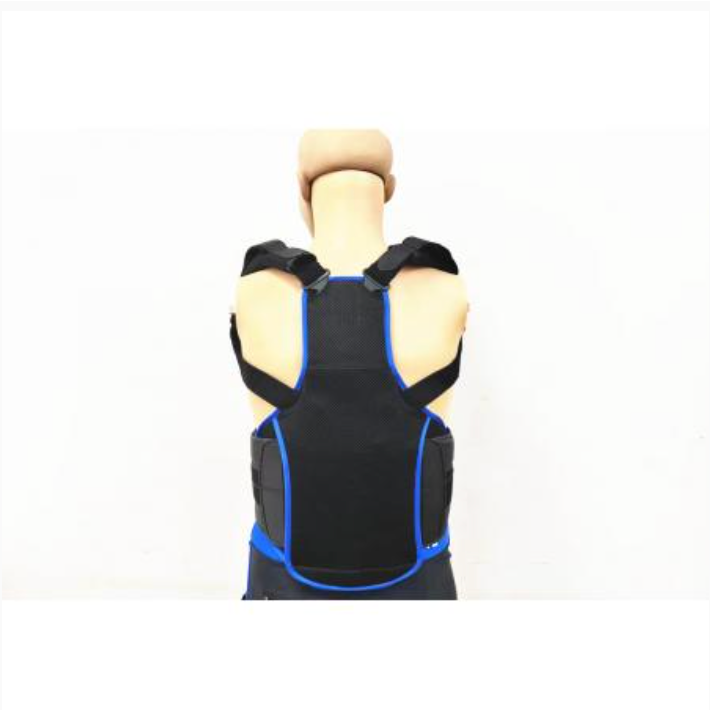
Market Outlook: Size, Growth, and Key Investment Signals (2026–2031)
CAGR Projections and Market Valuation: Data-Driven Entry Timing for Investors
Market research suggests that the posture correction back support industry will see steady growth, expected to reach around $19 billion worldwide by 2031 from its current $14.3 billion valuation in 2025. Investors looking to get in on this trend might find the best opportunities between 2026 and 2028 when adoption rates are picking up but the market hasn't yet become saturated. Getting involved before certain manufacturing breakthroughs happen could make a real difference in returns, potentially boosting profits by anywhere from 15% to 22% over those who wait until later stages. Smart businesses are already spreading their bets across different product categories too. Combining wearable technology solutions with traditional ergonomic furniture not only creates more stable revenue streams but also protects against supply chain disruptions that often plague companies focused solely on one type of product.
Growth Catalysts: Remote Work, Digital Fatigue, and Rising Prevalence of Posture-Related Musculoskeletal Disorders
Since hybrid work became common, people spend about three extra hours each day staring at screens compared to before 2019. Doctors are seeing almost 40% more neck pain complaints these days. The combination of all this screen time and our growing older workforce means companies aren't satisfied with just off-the-shelf neck supports anymore. They want serious clinical solutions instead. Many big corporations have started including posture support in their employee health benefits packages recently. Around two thirds of the top 500 companies offer some form of coverage for posture correction now, which makes it easier for businesses to buy these products in bulk. Looking ahead, experts predict there will be nearly 300 million new cases of muscle and joint problems worldwide by 2030. That's why smart posture devices are becoming popular options for workers who want to avoid going under the knife for back or neck issues.
Technology Evolution: Smart Posture Correction Back Support Devices and AI Integration
From Passive Braces to Real-Time Feedback Systems: How Sensors and Mobile Apps Enhance Efficacy
Back support systems for posture correction have come a long way since those old fashioned rigid braces people used to wear. Now we have smart wearables powered by artificial intelligence that actually learn from our bodies. These devices contain tiny sensors that monitor how straight our spine is and what muscles are getting tense. The information goes straight to our phones where it triggers gentle vibrations when someone starts slouching. Research published in 2025 showed something interesting about this feedback loop system. People who wore these devices corrected their posture almost half the time without even thinking about it. What makes these new supports different from traditional ones is how they change protection settings depending on what activity someone is doing throughout the day. The built in computer chips watch how we sit and suggest when to take short breaks or stretch. For office workers stuck at desks all day, this can cut down on lower back pain by around one third compared to not using any kind of support at all.
Telehealth and Corporate Wellness Partnerships: Scaling Posture Correction Back Support Beyond Retail
Smart posture devices are becoming part of many remote patient monitoring programs these days, giving physiotherapists access to movement data stored in the cloud so they can tweak treatment approaches as needed. Big companies have started bringing these tools on board too, often through their wellness programs where they'll actually pay for employees to get the devices. The reason? Workplace musculoskeletal issues are costing American businesses around $61 billion every year according to recent Bureau of Labor Statistics numbers from 2025. We're seeing a real change in how these products reach consumers, moving away from regular retail channels toward direct business-to-business sales. Enterprise agreements for these posture tracking systems are increasing pretty fast right now, about 18.7% year over year growth as more offices adopt hybrid working arrangements. Insurance companies are also starting to cover what they call "digital therapeutics" when prescribed by doctors, which makes it easier for people dealing with ongoing back problems or other chronic conditions to stick with their posture correction routines over time.
Product Segmentation and Competitive Differentiation in Posture Correction Back Support
Braces vs. Garments vs. Cushions: Functional Trade-offs, User Compliance, and Margin Structures
When looking at the market for back supports that help correct posture, we see three main categories: braces, clothing items, and cushions. Each category has its own strengths and weaknesses when it comes to how well they work, how many people actually stick with them over time, and what kind of profit margins they generate. Braces are great for providing strong support to fix serious spine issues, but let's face it, nobody wants to wear something uncomfortable all day. Studies show around half to three quarters of users stop wearing their braces after a while because they just aren't comfortable enough. Clothing solutions take a different approach by hiding the corrective features inside regular clothes. People tend to keep these on about 7 out of 10 times since they look normal and don't draw attention, though they might not be as effective for really bad posture problems. Then there are cushions designed for sitting positions, which are easy to carry around and reasonably priced. The downside? They mostly work when someone is sitting at a desk, so folks only remember to use them during specific tasks rather than throughout the day.
The profit margins tell a pretty clear story about how these products stack up against each other. Braces typically come with higher price tags, sitting around 40 to 50 percent gross margin territory because they require special materials and have been clinically tested. Garments manage to maintain decent margins too, somewhere between 30 and 35 percent, as companies try to scale production while still investing in new fabric technologies. Cushions are a different story altogether though. Their margins get squeezed down to 15 to 25 percent due to intense market competition and the fact that most look pretty similar to one another. Looking at it from an investor standpoint, putting money into research for better comfort features in braces or developing smart garments with built-in sensors seems like the best bet for achieving those premium prices. Cushions just don't offer much room for growth since they rely so heavily on selling large volumes rather than commanding top dollar.
| Segment | Key Functional Trade-off | User Compliance Rate | Margin Range |
|---|---|---|---|
| Braces | Maximum support vs. discomfort | 50–60% | 40–50% |
| Garments | Discreet wear vs. moderate efficacy | 70–80% | 30–35% |
| Cushions | Portability vs. context-limited use | Task-dependent | 15–25% |
This segmentation highlights divergent innovation imperatives: braces require material science advances to improve comfort without sacrificing support; garments benefit from smart textile integration to bridge clinical rigor and lifestyle use; cushions must differentiate through ergonomic intelligence—or risk commoditization.
2026 Investment Priorities: Channel Shifts, Regulatory Clarity, and Consumer Affordability Trends
DTC E-Commerce Surge and Hybrid Work Ergonomics: Reshaping Demand for Posture Correction Back Support
The direct-to-consumer (DTC) model is grabbing around 42% of the orthopedic wellness market according to Market Pulse 2025 stats. This lets manufacturers skip those pesky retail markups and gather actual customer behavior data on the fly, which makes it easier to tweak products quickly something that really helps keep costs down for consumers. Meanwhile, people working remotely are running into serious ergonomic problems. A whopping 68% of folks who work from home say they deal with back pain because their makeshift setups just aren't cutting it Ergonomics Today 2024 confirms this. As a result, there's growing interest in gear that works anywhere without needing special conditions. These two trends together are changing where money gets invested these days, pushing investors toward companies that actually solve real world problems instead of just chasing buzzwords.
- Integrate telehealth compatibility for remote posture assessments
- Develop modular, chair-agnostic designs for seamless home/office transitions
- Leverage DTC subscription models to enhance accessibility and recurring revenue
Investors should closely monitor upcoming FDA guidance on "wellness wearables," expected in Q3 2026, as it will influence production standards, regulatory timelines, and market entry strategies for smart posture correction back support devices.
FAQ Section
What factors are driving the growth of the posture correction back support industry?
The growth is driven by factors such as increased screen time due to hybrid work arrangements, rising cases of posture-related musculoskeletal disorders, and demand for serious clinical solutions beyond off-the-shelf neck supports.
How are smart posture correction devices enhancing efficacy compared to traditional braces?
Smart posture devices integrate sensors and mobile apps to provide real-time feedback, improving efficacy by learning from body movements and offering reminders for posture correction and breaks.
What are the competitive advantages of using smart garments for posture correction?
Smart garments offer discreet wear with moderate efficacy, maintaining better user compliance rates than traditional braces, and they provide opportunities for smart textile integration.
Table of Contents
- Market Outlook: Size, Growth, and Key Investment Signals (2026–2031)
- Technology Evolution: Smart Posture Correction Back Support Devices and AI Integration
- Product Segmentation and Competitive Differentiation in Posture Correction Back Support
- 2026 Investment Priorities: Channel Shifts, Regulatory Clarity, and Consumer Affordability Trends
- FAQ Section