 EN
EN

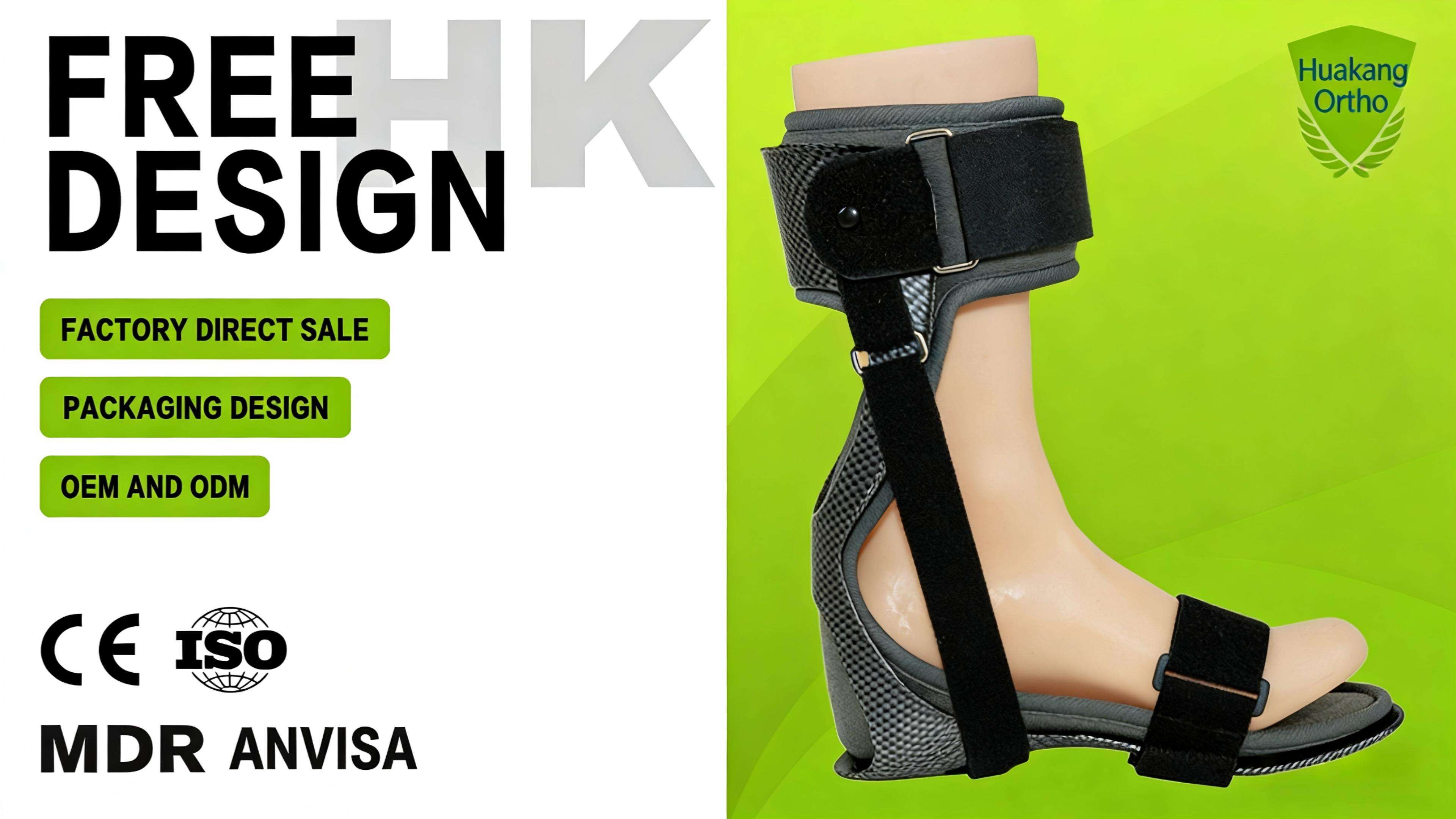
Steady Support Where It Matters Most: The Role of Hard-Plastic AFOs in Ankle Injury Recovery
When we think of sports, we often focus on the thrill of competition and the athletes' impressive feats. But there's another aspect of sports that's just as important, yet often overlooked: the risk of injury. Ankle injuries, in particular, are a common problem that can affect anyone, from professional athletes to weekend runners. Whether it's a sudden twist or a hard fall, ankle injuries can be debilitating and affect not just athletes but also people with conditions like dropfoot or stroke survivors. That's where medical-grade hard-plastic ankle-foot orthoses (AFOs) come in. These devices are designed to provide stability, comfort, and support for people with ankle injuries or conditions. They're made from biocompatible thermoplastic materials, like polypropylene, and feature clinical-grade liners and adjustable straps. The goal of hard-plastic AFOs is to strike a balance between providing firm mechanical control and being comfortable and easy to use.
So, why are ankles so prone to injury? For one, they're a critical link between sports and daily life. Ankle injuries can happen to anyone, regardless of their fitness level or age. In fact, ankle injuries are among the most common musculoskeletal problems in all populations.
Whether it's a lateral sprain or a chronic condition like ankle instability, ankle injuries can severely limit mobility and increase the risk of falling. The challenge is to create a support device that works in both clinical and everyday settings. Hard-plastic AFOs are a practical solution that provides firm mechanical control when necessary while also being comfortable and easy to use. They're particularly useful in hospitals, rehabilitation facilities, and large procurement purchases, where cost, durability, and ease of cleaning are important. But what makes hard-plastic AFOs so special? For starters, they offer predictable mechanical stabilization, which prevents unwanted ankle motion and protects surgical repairs. They're also durable and easy to clean, making them ideal for clinical workflows. Plus, they're cost-effective and scalable, allowing for widespread distribution.
Here are some key benefits of hard-plastic AFOs:
- Predictable mechanical stabilization: The rigid shell prevents unwanted ankle motion and controls gait mechanics.
- Durability and cleanliness: Plastics tolerate cleaning and routine disinfection better than some composites.
- Cost effectiveness and scalability: Hard-plastic AFOs are easier to mass-manufacture than high-end composites.
- Fit for the purpose: They're especially suitable for postoperative immobilization, early-mid rehab stages, and large-scale facility use.
Overall, hard-plastic AFOs are a dependable and practical solution for people with ankle injuries or conditions. They may not be the lightest or most high-tech option, but they're designed to provide stability, comfort, and support across a wide range of applications.
What Makes Medical-Grade Hard Plastic So Special?
Let's get down to business and explore the benefits of this material. Here's what you need to know:
First off, medical-grade hard plastic offers high structural rigidity, which is crucial for preventing fractures and supporting tendon repair. This means that the shell can limit the range of motion in the ankle, giving it the stability it needs to heal properly.
Another key advantage is long-term stability. Unlike softer materials that can deform or creep over time, properly engineered hard plastics maintain their shape and corrective geometry even with repeated use. This ensures that the orthosis continues to provide the right amount of support and stability throughout the recovery process.
In addition to its structural benefits, medical-grade hard plastic is also biocompatible and easy to clean. When used with the right liners, it can reduce skin irritation and odor, making it a comfortable and hygienic choice for patients. Plus, the manufacturing process is consistent, producing reliable and replicable results that are ideal for quality control and certification.
When you combine the rigid shell with a breathable, medical-grade liner, you get a great balance of firm external control and a patient-friendly interface. This makes it easier for patients to wear the orthosis for extended periods, which is essential for effective recovery.
Ergonomics and Design: Finding the Perfect Fit
A well-designed ankle-foot orthosis (AFO) is an ergonomic success story. Here are some key design elements to look for:
Anatomical contouring based on foot-ankle geometry helps reduce pressure points and ensures a comfortable fit. Distinct left and right shells, as well as multiple standard sizes, provide a customizable fit for each patient. Adjustable Velcro or buckle systems make it easy to put on and take off the orthosis, while secure fixation during activity gives patients the confidence to move around freely.
Smooth, rounded edges and liner padding help reduce skin irritation, increasing wear time and overall comfort. Low-profile shapes ensure shoe compatibility or integration with post-operative footwear, making it easier for patients to incorporate the orthosis into their daily lives.
These design decisions can significantly improve patient adherence, which is half the battle when it comes to successful recovery.
Clinical and Real-World Applications: Where Hard-Plastic AFOs Shine
Rehabilitation and Clinical Applications
Hard-plastic AFOs are particularly useful in rehabilitation and clinical settings. For example, they can be used to manage dropfoot after a stroke, lifting the forefoot during the swing phase and preventing tripping. They can also provide postoperative protection, immobilizing and offloading the ankle/foot following fractures, ligament repairs, or tendon surgeries.
Achilles tendon support is another key application, limiting excessive dorsiflexion and relieving strain during the healing process. When combined with therapy, gait correction can help retrain safer walking mechanics, reducing the risk of further injury or complications.
Protection and Everyday Use
Hard-plastic AFOs are not just limited to clinical settings; they can also be used for everyday protection and prevention. For instance, they can provide effective support during low-impact sports or activities, such as jogging, hiking, or basketball practice. They can also reduce the risk of falls for elderly patients or those with chronic ankle instability, giving them greater confidence and independence.
In facility settings, such as hospitals, rehabilitation centers, and nursing homes, hard-plastic AFOs are ideal due to their hygiene and replacement logistics. Clinical best practice is to always use orthoses in conjunction with a clinician assessment and a structured rehabilitation plan, ensuring that patients receive the right level of support and care.
Quick Technical Snapshot
Here's a quick rundown of the key features and benefits of medical-grade hard-plastic AFOs:
- Product: Medical-grade hard-plastic AFO (Ankle-Foot Orthosis)
- Shell material: Medical-grade hard plastic, such as polypropylene
- Interface: Breathable medical liner with Velcro-adjustable straps
- Sizes: S, M, L, and XL; left and right variants; custom sizing available
- Functions include ankle immobilization, drop foot correction, Achilles protection, gait correction, post-operative support, and sports protection
- Cleaning: Wipeable shell, removable liner when applicable for washing
- Clinical note: Use under clinician guidance; sizing and fitting are important for efficacy
A Practical Look at Hard Plastic and Other Materials
When we compare hard plastic to carbon fiber, we see that carbon fiber is lighter and stronger, but it's also more expensive and harder to make in large quantities. On the other hand, hard plastic is a better choice when it comes to cost, sterilization, and making large amounts. For example, soft braces are more comfortable and allow for more movement, but hard plastic braces provide the support and correction that's needed for some patients after surgery or with neurological conditions. In contrast, metal frames are stronger but heavier and less flexible, while plastic frames offer a good balance for most clinical needs.
Advice for Clinicians, Buyers, and Rehabilitation Teams
Clinicians should assess a patient's gait and muscle strength before prescribing an ankle-foot orthosis (AFO) and use it as part of a rehabilitation program. When buying AFOs, it's a good idea to ask for sample sets to test the fit across different sizes and to do some simple tests to see how durable and easy to clean they are, with the help of your infection control team. Sellers and marketers should focus on standardized sizing, ease of cleaning, and clinical indications when listing their products and reaching out to clinicians. Patients should make sure they get the correct size and side, learn how to adjust the straps, and talk to their therapist about how often to wear the AFO during the recovery period.
Lasting Support for Real Life
Big sporting events show us what humans can achieve at their best, but the real work is in helping people recover, protect, and maintain their abilities over time. Medical-grade hard-plastic AFOs may not be glamorous, but they make a big difference—they turn risk into regained mobility, uncertainty into control, and vulnerability into continued independence.
Table of Contents
- Steady Support Where It Matters Most: The Role of Hard-Plastic AFOs in Ankle Injury Recovery
- What Makes Medical-Grade Hard Plastic So Special?
- Ergonomics and Design: Finding the Perfect Fit
- Clinical and Real-World Applications: Where Hard-Plastic AFOs Shine
- Quick Technical Snapshot
- A Practical Look at Hard Plastic and Other Materials
- Advice for Clinicians, Buyers, and Rehabilitation Teams
- Lasting Support for Real Life