 EN
EN

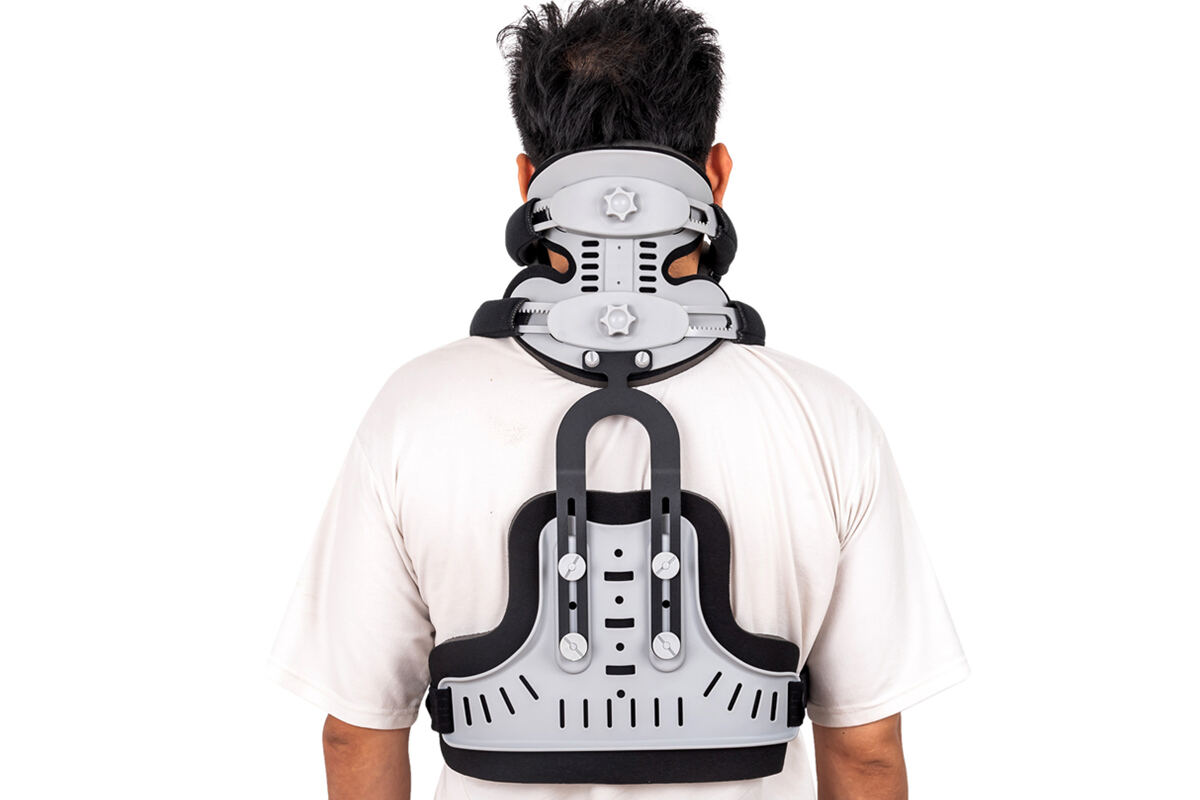
Aligning Biomechanics with Clinical Outcomes
Why C1–C7 spinal alignment is the non-negotiable foundation for orthopedic neck support manufacturer design
Getting the right alignment in the neck vertebrae from C1 all the way down to C7 is actually pretty important for how our bodies function properly. When there are gaps bigger than 3mm between these bones, muscles start working overtime trying to compensate, and this can speed up wear and tear on discs according to research published by Journal of Spine Research last year. People who have their necks misaligned for long periods tend to experience about 42% more frequent pain episodes if they suffer from cervical spondylosis. Good quality neck supports work best when they spread pressure out across those small joints in the back of the neck while keeping that natural curve intact as we move around. These supports do more than just hold things together structurally; they help maintain proper flow of spinal fluid too, which many people find reduces headaches significantly. On the flip side, poorly designed supports miss out on handling those forces that pass between different sections of the spine, causing tiny injuries that build up over months and years.
FDA-cleared validation: How leading orthopedic neck support manufacturers collaborate with clinicians to maintain ±2.3° cervical angle retention over 8 hours
Getting FDA approval requires actual proof of clinical accuracy, not just good theory on paper. The best companies work hand in hand with orthopedic doctors and physical therapists as they develop new products. They test prototypes repeatedly, often using motion capture tech to see how well things actually work when someone wears them. This teamwork makes sure that spinal devices keep those important neck angles really stable, staying within about 2.3 degrees either way—that's roughly half a millimeter movement between vertebrae—even after eight straight hours of being worn. The testing process sticks to ASTM F1839 guidelines, monitoring no fewer than 18 different body movements during simulated sleeping positions. There are three main stages of validation involved here: first, putting prototypes through their paces on lab benches for around 50 thousand cycles, then checking pressures inside discs using cadavers, and finally running trials with real patients over 90 days to observe muscle responses. Good designs manage to keep space between vertebrae close to normal levels, within about 5% of what people have when standing up straight. And through ongoing collaboration with medical professionals, manufacturers fine tune pressure distribution patterns so tissues don't get cut off from blood flow at the back of the head where the device contacts the skull.
Material Science Advancements in Orthopedic Neck Support Manufacturing
Moving beyond memory foam: Why thermal regulation and multi-phase viscoelasticity define next-gen orthopedic neck support manufacturer innovation
Traditional memory foam fails to address two core clinical needs: heat dissipation and dynamic load response. Leading manufacturers now deploy multi-phase viscoelastic polymers engineered for real-time adaptation to cervical pressure shifts. These materials operate across three functional stages:
- Phase 1: Soft, conforming surface for gentle initial contact
- Phase 2: Progressive resistance during movement or positional change
- Phase 3: Elastic recovery during rest to sustain alignment
This architecture maintains optimal C1–C7 curvature regardless of sleep position—unlike single-density foams, which lose 40% of their support efficacy after just 90 minutes of compression. Independent testing shows these advanced materials reduce heat buildup by 68% compared to conventional foams (2023 Biomechanics Report).
Phase-change microcapsules and adaptive gel-foam hybrids: Engineering responsive pressure redistribution for chronic cervical conditions
Static support just doesn't cut it for folks dealing with degenerative disc issues or those recovering after neck surgery. The latest tech incorporates these cool phase change microcapsules inside foam materials. These little capsules can soak up heat when things get too warm and then let it go again at specific temperature points. This helps prevent the kind of localized overheating that actually makes inflammation worse. When paired with special gel foam combinations that firm up exactly where there's lots of pressure but stay soft everywhere else, we're seeing some impressive results. According to recent studies published in the Journal of Orthopedic Materials back in 2023, these new systems redistribute pressure across surfaces with around 92% efficiency. And real world testing shows something pretty remarkable too: people who suffer from chronic pain wake up significantly less during the night compared to what happens with regular old static supports. We're talking about roughly a third fewer interruptions throughout sleep cycles.
Position-Agnostic Ergonomic Design for Real-World Sleep Behavior
Addressing the 38% positional rotation gap: How forward-thinking orthopedic neck support manufacturers redesign for back, side, and stomach sleepers equally
Thirty-eight percent of adults shift between sleep positions nightly—a behavioral reality that renders single-posture supports clinically inadequate. Forward-thinking manufacturers now engineer universal stability through adaptive core structures featuring asymmetric contouring and zone-specific density gradients. These designs dynamically recalibrate to:
- Cradle the posterior cervical spine during supine sleeping to preserve neutral C1–C7 curvature
- Clear shoulder mass in lateral positions to prevent pathologic lateral flexion
- Taper anteriorly for prone sleepers, reducing cervical hyperextension by 72%
Multi-axis lab testing confirms these supports maintain cervical angles within 2° of optimal alignment—even with frequent rotation. In clinical audits, this position-agnostic approach reduced positional pain complaints by 89%, eliminating the historical trade-off between spinal health and natural movement.
Regulatory Strategy and Clinical Translation in Orthopedic Neck Support Manufacturing
Getting through all the regulations is really important for companies making orthopedic neck supports when they want to bring products to market. To get FDA approval or CE marking, manufacturers need to do extensive tests showing materials are safe for human contact, run clinical trials that produce real results like how well the device maintains proper neck positioning, and keep monitoring after products hit shelves. Working with outside research labs helps build solid evidence about how effective these supports actually are, particularly for people suffering from long term neck issues. What matters most for regulatory approval is turning clever mechanical designs into actual benefits patients can experience consistently. This works best when designs have been tested in different positions as well. Companies that start thinking about regulations early cut down their time getting products ready by around 18 months on average and face far fewer product recalls, which builds confidence among users. When engineers and medical professionals work closely together throughout development, the final product satisfies both comfort requirements and meets what doctors look for in treatment effectiveness, making it easier for hospitals and clinics to adopt since they see measurable improvements in patient mobility.
FAQ
What is the importance of spinal alignment from C1 to C7 for orthopedic neck supports?
Spinal alignment from C1 to C7 is crucial because proper alignment prevents muscle overwork, reduces disc wear, and maintains the natural curve of the neck. This alignment helps decrease pain episodes, especially in conditions like cervical spondylosis.
How do manufacturers ensure FDA clearance for orthopedic neck supports?
Manufacturers collaborate with clinicians and conduct rigorous testing, including motion capture technology and ASTM F1839 guidelines, to prove clinical accuracy and maintain cervical angles within ±2.3° even after extended wear.
What advancements have been made in materials used in neck supports?
Advancements include multi-phase viscoelastic polymers that adapt to pressure shifts, reduce heat buildup, and maintain neck curvature more effectively than traditional memory foam.
How do phase-change microcapsules benefit cervical neck support designs?
Phase-change microcapsules help manage heat by absorbing and releasing it at specific temperatures, reducing localized overheating and inflammation, and enhancing overall comfort and support.
How do position-agnostic designs improve sleep for users?
Position-agnostic designs ensure stability and comfort for back, side, and stomach sleepers by using adaptive structures that adjust to different sleeping positions, thereby maintaining proper spinal alignment and reducing pain complaints.