 EN
EN

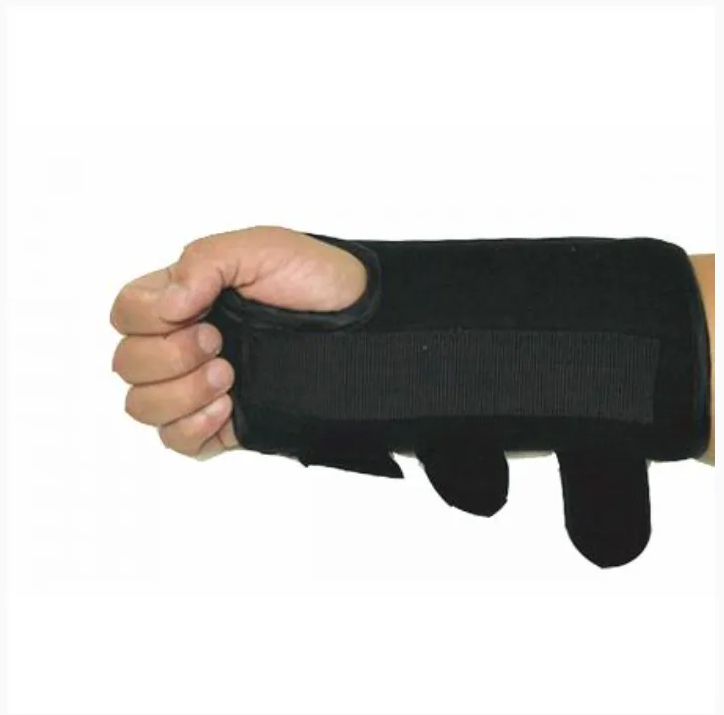
Understanding the Mechanics of Carpal Tunnel Compression
The carpal tunnel is a narrow passageway on the palm side of the wrist. It houses the median nerve along with several tendons that control finger movement. When the synovial tissue around those tendons swells, or when the tunnel itself narrows due to repetitive stress, the median nerve gets squeezed. That compression is what triggers the numbness, tingling, and nighttime aching that signal carpal tunnel syndrome. Understanding this mechanical picture quickly raises a practical question: is a carpal tunnel wrist support brace actually needed, or can other adjustments do the job? The answer often begins with wrist position. Anatomically, extreme flexion or extension sharply increases pressure inside the carpal tunnel, reducing blood flow to the nerve. Keeping the wrist in a neutral, straight alignment minimizes that internal pressure, giving the nerve a chance to recover.
Why a Wrist Support Brace Is a First Line Strategy
A wrist support brace does not cure the underlying causes, but it serves as an effective mechanical barrier against the positions that aggravate symptoms. The American Academy of Orthopaedic Surgeons lists nocturnal splinting as a recommended initial intervention for mild to moderate presentations. The logic is simple but sound. During sleep, people unconsciously curl their wrists into bent postures that can intensify nerve compression for hours. A properly designed brace prevents that. For daytime use, a lighter, less restrictive support can reduce awkward angles during tasks like typing or driving without entirely immobilizing the joint. This graded approach keeps the hand functional while dialing down the repetitive strain on the median nerve. It is this combination of protection and practicality that makes bracing a widely adopted first step.
The Data: What Research Shows About Bracing
Biomechanical studies give solid backing to the brace strategy. Research published in The Journal of Hand Surgery has shown that intracarpal pressure in a neutral wrist can be as low as 2.5 mm Hg, but spikes beyond 30 mm Hg during full flexion or extension. Sustained pressure at that level compromises nerve microcirculation. Clinical outcomes reflect these numbers. A randomized controlled trial in Arthritis and Rheumatism found that two-thirds of patients using a neutral wrist splint at night reported meaningful symptom relief after four weeks, with improvements in grip strength and sensory function. The numbers do not promise a magic fix, but they confirm that limiting extreme wrist postures has a measurable physiological benefit, especially when bracing is introduced early.
A Field Observation: Assembly Lines and Nighttime Patterns
A real-world example came out of a product validation project that took place in a facility manufacturing automotive wire harnesses. The R&D team, whose members each averaged eight years of experience in medical protective equipment, tracked a group of assembly operators who performed high-repetition pinching and crimping tasks over two shifts. Many workers described waking up with hand numbness that faded once they shook their hands. During the observation period, those who consistently wore a firm wrist support brace at night reported a clear drop in those early-morning symptoms. The team also noticed a practical detail: daytime bracing helped, but only when the brace was slim enough to fit inside work gloves. This field experience reinforced the idea that a brace's benefit depends heavily on how naturally it fits into a person's daily routine, not just on its mechanical properties.
Picking the Right Brace: Key Design Factors
Not all wrist braces are built to meet the same need. Some common configurations include rigid cock-up splints with a fixed palmar bar set at a slight extension, best for nighttime use but too bulky for daily tasks. Adjustable wrap-around braces feature removable stays and compression straps, offering a middle ground between night support and light daytime wear, though they demand careful strapping. Minimalist sleep sleeves provide soft padding and flexible dorsal reinforcement for mild symptoms or pressure-sensitive users, but they lack support for advanced nerve compression. Hybrid braces with bilateral aluminum or polymer stays add lateral stability for gripping tasks, at the cost of a slightly heavier feel. When evaluating a carpal tunnel wrist support brace, factors such as breathability, edge finishing, and closure type matter just as much as the angle of the splint. Skin irritation from a poorly finished edge can make consistent wear impossible.
When Bracing Alone Isn't Enough
A brace is a tool, not a standalone treatment. If symptoms stem from systemic conditions like diabetes, thyroid dysfunction, or fluid retention during pregnancy, addressing the root cause is essential. Bracing will not fix tenosynovitis that requires activity modification or physical therapy. It also works poorly when someone ignores their daytime ergonomics but relies entirely on nighttime bracing. In cases of thenar muscle wasting or constant numbness, surgical release may be the only path to prevent permanent nerve damage. Used honestly, bracing fits best within a broader plan that includes nerve gliding exercises, workstation adjustments, and periodic rest breaks.
For distributors and healthcare supply chains, consistent device quality is what turns a clinical recommendation into a repeatable product. OneBrace operates 12 complete production lines and maintains a library of over 1,000 mold designs, keeping monthly output capacity above one million sets. That manufacturing scale, combined with an R&D team that holds an average of eight years of specialized experience in medical protective equipment, supports stable batch-to-batch consistency and quick issue resolution. When stocking a carpal tunnel wrist support brace that professionals rely on, those manufacturing fundamentals make a practical difference.