 EN
EN
How Post-Surgery Back Stabilization Braces Support Spinal Fusion Healing
Biomechanical Role of TLSO and LSO Braces in Reducing Micromotion at Fusion Sites
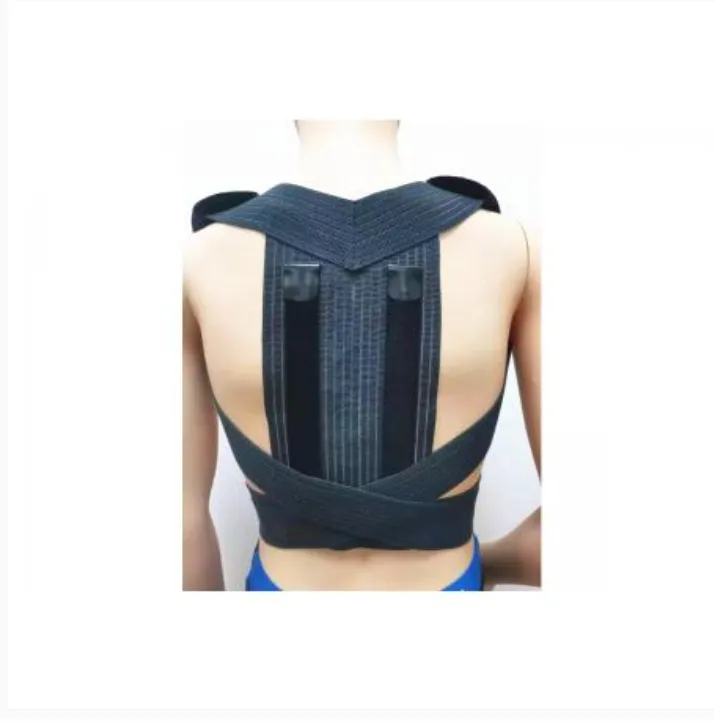
After spinal fusion surgery, limiting movement between fused vertebrae is critical for bone graft consolidation. A post-surgery back stabilization brace—such as a TLSO (thoracolumbosacral orthosis) or LSO (lumbosacral orthosis)—applies external trunk support to reduce micromotion: microscopic displacement at the fusion site that can disrupt new bone formation. TLSO braces extend from the upper thoracic spine to the sacrum, controlling rotation and bending across the thoracolumbar junction. LSO braces focus on the lumbar and sacral segments, primarily restricting flexion and extension. By dampening these mechanical forces, the brace creates a controlled environment where the bone graft heals without interference. Research shows even minimal motion—such as 5 degrees of rotation—can impair fusion; properly fitted rigid braces effectively constrain such loads within safe biomechanical limits.
Evidence Linking Proper Rigidity and Fit to Faster Radiographic Union and Reduced Pseudarthrosis Risk
Brace success hinges not only on rigidity but also on precise anatomical fit. Clinical evidence demonstrates that braces with adjustable compression and three-point pressure systems achieve superior immobilization, accelerating radiographic union—the visible bridging of bone on X-ray. A 2024 meta-analysis found patients wearing properly fitted rigid braces after lumbar fusion had a 30% lower risk of pseudarthrosis compared to those using soft, off-the-shelf supports. Poor fit permits unintended motion, delaying healing and increasing nonunion risk. Therefore, accurate pad placement, strap tension, and torso contouring are as essential as material stiffness. When rigidity and customization align, micromotion is minimized and solid bony fusion is significantly more likely.
Selecting the Right Post-Surgery Back Stabilization Brace by Surgical Profile
Matching TLSO vs. LSO Designs to Fusion Level (Thoracolumbar vs. Lumbar-Only)
Brace selection must match the surgical level. A TLSO is indicated for fusions crossing the thoracolumbar junction—typically T10 through L2—where rigid control of shear and rotational forces is essential. An LSO suffices for isolated lumbar fusions below L3, offering targeted support without unnecessary bulk. Using a TLSO for a purely lumbar fusion may compromise comfort and compliance, while relying on an LSO for a thoracolumbar fusion risks inadequate stabilization and elevated nonunion or hardware failure risk. Aligning brace design with fusion anatomy ensures optimal biomechanical protection during early healing.
Adjusting Brace Selection for Comorbidities: Diabetes, Osteoporosis, and High BMI
Comorbidities demand tailored bracing strategies. Diabetic patients face heightened skin breakdown and infection risk with prolonged wear; therefore, braces with breathable, well-padded liners—and strict adherence to scheduled skin checks—are essential. In osteoporosis, fragile bone requires even load distribution to prevent stress fractures; custom-molded TLSOs often outperform prefabricated models by optimizing contact and pressure dispersion. For individuals with high BMI, soft tissue compression and brace migration can undermine stability; low-profile, multi-strap LSOS with reinforced abdominal support improve fit and functional tolerance. Adapting brace selection to individual physiology—not just surgical anatomy—enhances safety, compliance, and fusion success.
Evidence-Based Usage Protocols for Post-Surgery Back Stabilization Braces
2026 Clinical Consensus: Standard 8–12 Week Wearing Schedule After Lumbar Fusion
Current clinical consensus recommends wearing a post-surgery back stabilization brace for 8–12 weeks during waking hours following lumbar fusion. This window aligns with the critical early phase of bone healing, when micromotion at the fusion site must be strictly limited. Patients are advised to wear the brace continuously except for brief hygiene breaks or supervised physical therapy sessions. Studies show that >90% compliance over this period correlates with a 38% reduction in hardware-related complications. Importantly, proper fit ensures effective load transfer across the spine without compromising diaphragmatic excursion or respiratory function.
Progressive Weaning Based on Imaging and Functional Milestones
Weaning must be guided by objective clinical markers—not arbitrary timelines. A phased approach integrates imaging findings and functional capacity:
- Phase 1 (Weeks 1–4): 24/7 brace wear, removed only for daily skin inspection
- Phase 2 (Weeks 5–8): Controlled, incremental unbraced activity—starting with 20–30 minutes of sitting or standing
- Phase 3 (Weeks 9–12): Discontinuation during sedentary tasks, progressing toward full independence
Key decision points include CT-confirmed bridging bone at 6 and 12 weeks, alongside functional benchmarks: pain-free heel raises, unassisted sit-to-stand transitions, and 30-minute ambulation without support. Physical therapists use validated tools—including the Timed Up-and-Go test—to objectively assess readiness. Premature discontinuation, especially in osteoporotic patients, increases pseudarthrosis risk by 2.7-fold—underscoring the need for disciplined, milestone-driven weaning.
FAQ
What is the biomechanical role of TLSO and LSO braces in spinal fusion recovery?
TLSO and LSO braces provide external trunk support to reduce micromotion at the spinal fusion site, minimizing interference with bone graft healing. TLSOs control movement from the thoracic spine to the sacrum, while LSOs focus on lumbar and sacral segments.
How does a properly fitted brace enhance spinal fusion success?
A properly fitted brace ensures effective immobilization, reducing micromotion and promoting faster radiographic union. It also minimizes risks like pseudarthrosis by addressing the anatomical needs of the patient.
What factors guide the selection of TLSO vs. LSO braces?
The choice depends on the surgical level. A TLSO is recommended for thoracolumbar fusions, while an LSO suffices for lumbar-only procedures. Comfort, anatomical fit, and specific health conditions also play roles.
How long should a post-surgery back brace be worn?
Clinical guidelines suggest wearing the brace for 8–12 weeks post-surgery, primarily during waking hours, to maintain stability during crucial healing phases.
What is the process for weaning off a stabilization brace?
A milestone-driven approach is recommended, starting with 24/7 wear, gradual unbraced activities, and discontinuation based on imaging and physical benchmarks, typically over 12 weeks.
Table of Contents
- How Post-Surgery Back Stabilization Braces Support Spinal Fusion Healing
- Selecting the Right Post-Surgery Back Stabilization Brace by Surgical Profile
- Evidence-Based Usage Protocols for Post-Surgery Back Stabilization Braces
-
FAQ
- What is the biomechanical role of TLSO and LSO braces in spinal fusion recovery?
- How does a properly fitted brace enhance spinal fusion success?
- What factors guide the selection of TLSO vs. LSO braces?
- How long should a post-surgery back brace be worn?
- What is the process for weaning off a stabilization brace?