 EN
EN

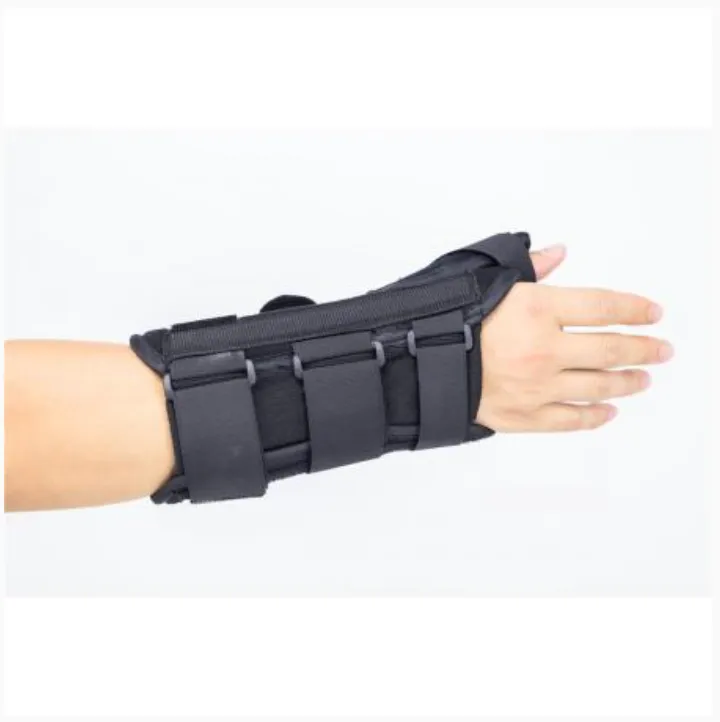
Matching Wrist Stabilizer Brace Types to Clinical Needs
Selecting the appropriate wrist stabilizer brace begins with understanding the distinct support levels available and matching them to specific clinical conditions. The right choice directly influences recovery time, pain reduction, and functional outcomes.
Differentiating Support Levels: Sleeves, Straps, and Rigid Splints
Wrist stabilizer braces span a spectrum from minimal to maximal support. Sleeves provide light compression and warmth, ideal for mild discomfort or prophylactic use during activity. Straps—typically adjustable neoprene or elastic bands—deliver targeted pressure over the wrist joint to manage mild tendinitis or minor instability without restricting full motion. Rigid splints incorporate a contoured metal or plastic stay to immobilize the wrist completely, which is essential for acute injuries, fractures, or post-surgical recovery. For example, a volar splint holds the wrist in slight extension (0–10°) to reduce carpal tunnel pressure, while a thumb-spica splint immobilizes both wrist and thumb for de Quervain’s tenosynovitis. Understanding this hierarchy ensures clinicians and patients select a brace that delivers precisely the stabilization required—neither under- nor over-supporting the joint.
Aligning Brace Features with Diagnoses (e.g., Carpal Tunnel, Tendonitis, Post-Surgical Recovery)
Different wrist pathologies demand specific biomechanical interventions—and corresponding brace features. Carpal tunnel syndrome requires neutral wrist positioning (0–10° extension) to minimize median nerve compression; rigid braces with volar or dorsal stays are clinically indicated for this purpose. In contrast, tendonitis—such as extensor or flexor tendinopathy—responds best to graduated support: sleeves or straps offering compression and motion moderation without full immobilization, preserving functional movement during daily tasks. Post-surgical recovery—after carpal tunnel release, ligament repair, or fracture fixation—necessitates a custom-fitted rigid splint with adjustable straps to accommodate fluctuating edema and support progressive weaning protocols. Thumb-based conditions like de Quervain’s tenosynovitis require combined wrist-thumb stabilization via a spica design to eliminate painful pinch mechanics. Each feature—adjustable tension, breathable fabric, removable stays—must serve a clear clinical objective: compression for acute inflammation, immobilization for tissue healing, or graded stabilization for neuromuscular re-education.
Ensuring Optimal Fit and Wearability of Your Wrist Stabilizer Brace
Accurate Measurement Protocol: Wrist Circumference, Thumb Base Alignment, and Range-of-Motion Clearance
A correctly sized wrist stabilizer brace starts with precise measurement. Use a flexible tape measure to capture wrist circumference at the joint’s widest point—the distal radioulnar joint level. For thumb-inclusive braces, align the tape with the natural crease at the base of the thumb to ensure anatomically accurate coverage. Compare measurements to the manufacturer’s sizing chart: a snug yet comfortable fit prevents nerve compression, skin irritation, and slippage. Equally critical is verifying range-of-motion clearance—the brace must restrict only the target joint while permitting full finger and thumb mobility needed for self-care and work tasks. Over-tightening risks neurovascular compromise; numbness, tingling, or discoloration signals immediate adjustment or removal. Adjustable straps allow dynamic tension tuning as swelling evolves throughout the day, sustaining therapeutic support without compromising comfort or safety.
Key Material & Design Factors: Medical-Grade Compression, Breathability, and Adjustable Stabilization
Effectiveness hinges on evidence-informed material science and ergonomic design. Medical-grade compression fabric delivers consistent, low-profile pressure—reducing edema and enhancing joint position sense (proprioception) without impeding circulation. Breathable, moisture-wicking materials like perforated neoprene or antimicrobial polyester prevent thermal buildup and skin maceration during extended wear. Adjustable hook-and-loop or dual-strap systems enable precise load distribution—tightening over the carpal tunnel for nerve decompression or across the dorsal wrist for ligamentous stability. Internal padding along seams minimizes pressure points, while removable or modular stays allow seamless transition from rigid immobilization to dynamic support as rehabilitation advances. These integrated features collectively ensure sustained compliance, biomechanical fidelity, and clinical responsiveness.
Correct Application and Daily Usage Protocols for Maximum Efficacy
Step-by-Step Daytime Application: Positioning, Tension Calibration, and Activity-Specific Adjustments
Proper daytime application maximizes therapeutic benefit while minimizing risk. Begin with the hand in supination (palm up), sliding it fully into the brace so the thumb passes naturally through its designated opening. Position the internal stay centrally along the dorsal forearm—neither deviated ulnarly nor radially—to maintain neutral alignment. Secure the primary strap first, then fine-tune the thumb loop and secondary closures. Final tension should be firm but non-restrictive: you must comfortably insert one finger beneath each strap. For sedentary tasks like typing, slightly loosen the brace to preserve dexterity; for manual labor requiring grip strength or impact absorption, increase tension incrementally to enhance joint control. Reassess and recalibrate every two hours to counteract tissue settling and swelling shifts. Never apply over broken skin, open wounds, or compromised dermatology.
Nighttime vs. Daytime Wrist Stabilizer Brace Use: Timing, Duration, and Contraindications
Daytime use should be purpose-driven—not continuous. Limit uninterrupted wear to two to four hours during high-risk activities or symptomatic flare-ups, followed by at least one hour of brace-free movement to preserve intrinsic muscle activation and joint nutrition. Nighttime use serves a distinct physiological role: maintaining neutral wrist alignment (slight palmar flexion, ~5–10°) throughout sleep prevents nocturnal flexion that exacerbates median nerve compression in carpal tunnel syndrome. Recommended duration is six to eight hours—aligned with typical sleep cycles. Absolute contraindications include active infection, uncontrolled lymphedema, severe arterial insufficiency, or worsening edema under compression. Relative contraindications include sensory neuropathy or fragile skin. If numbness, cyanosis, or persistent discomfort occurs, remove the brace immediately. A strategic hybrid approach—rigid immobilization overnight and soft-sleeve support during daytime functional tasks—optimizes neural protection and musculoskeletal resilience. Always coordinate long-term use with a licensed occupational or physical therapist.
Progressive Integration: Building Tolerance and Avoiding Over-Reliance
A wrist stabilizer brace is a therapeutic tool—not a permanent solution. Overuse risks disuse atrophy, reduced proprioceptive acuity, and functional dependency. To mitigate this, implement a structured, symptom-guided progression plan. Begin with intermittent, activity-specific use—e.g., wearing only during aggravating tasks or overnight—and gradually extend duration only as pain decreases and active range of motion improves. Track daily metrics: pain intensity (0–10 scale), grip strength, and ability to perform ADLs without bracing. If symptoms recur, temporarily reduce wear time and reassess biomechanical triggers. Crucially, pair brace use with prescribed neuromuscular re-education: gentle tendon gliding, isometric wrist stabilizations, and controlled eccentric loading—progressing toward functional task practice without support. This phased integration fosters tissue tolerance, restores motor control, and ensures the brace remains an enabler of recovery—not a barrier to independence.
FAQ
Q: What is the purpose of a wrist stabilizer brace?
A: A wrist stabilizer brace provides support, compression, and immobilization to aid recovery, reduce pain, and improve functional outcomes for various wrist conditions.
Q: How do I choose the right type of wrist brace for my condition?
A: The choice depends on your condition’s severity and needs—for instance, light sleeves for mild discomfort, straps for moderate support, and rigid splints for immobilization post-surgery or injury.
Q: How can I ensure my wrist brace fits correctly?
A: Measure your wrist circumference, follow the manufacturer’s size chart, and adjust straps for a snug but comfortable fit. Ensure proper alignment and avoid over-tightening.
Q: Can I wear a wrist brace at night?
A: Yes, wearing a wrist brace at night can help maintain neutral positioning for conditions like carpal tunnel syndrome. Avoid if you have contraindications like active infection or arterial insufficiency.
Q: How can I avoid dependency on a wrist stabilizer?
A: Practice gradual weaning, use braces intermittently, and pair usage with physical therapy exercises to promote recovery and muscle strength.