 EN
EN

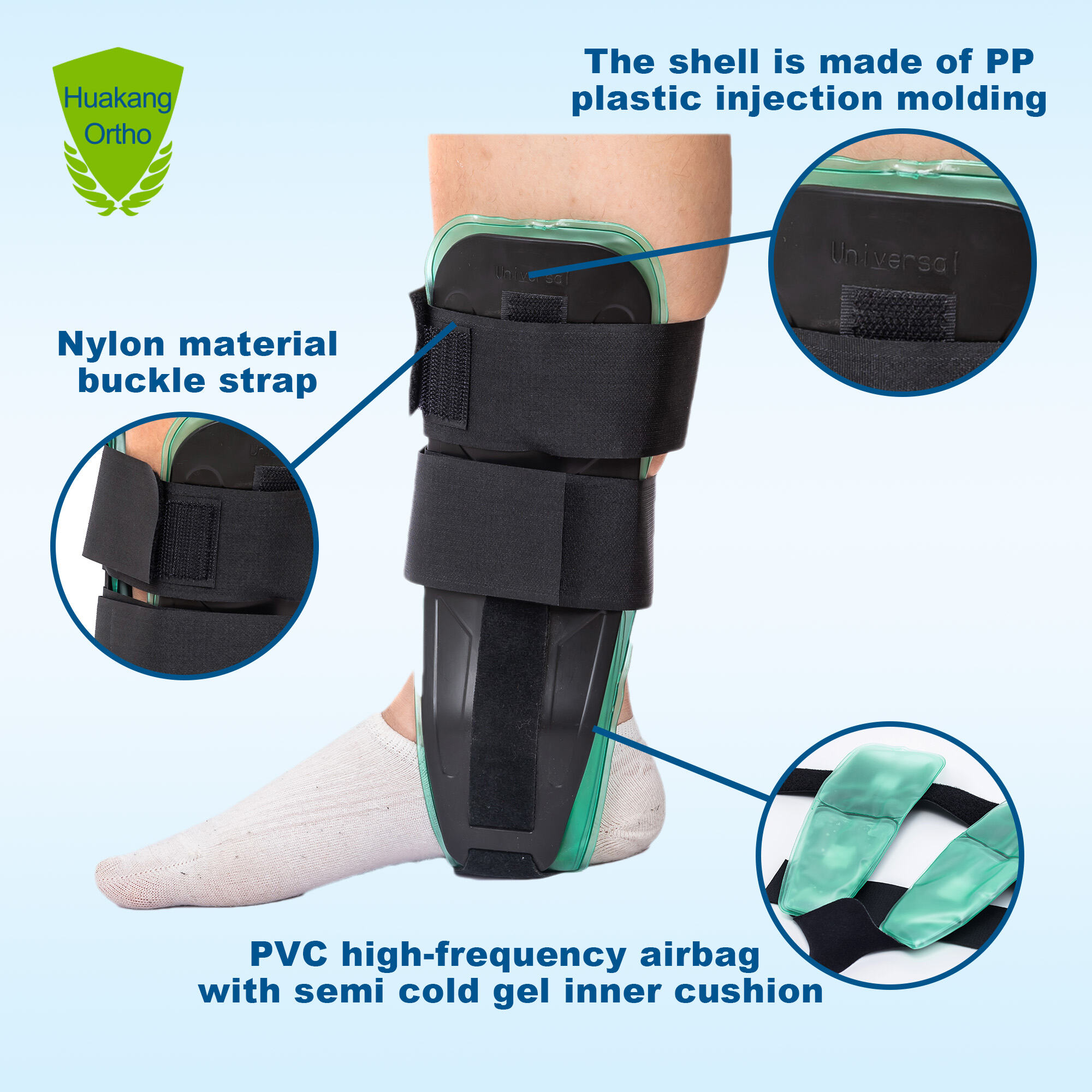
When to Wear an Ankle Sprain Recovery Brace: Timing, Duration, and Clinical Phases
Acute Phase (0–72 hrs): Immobilization vs. controlled motion – what the evidence says
The first step in treating these injuries usually focuses on stopping the bleeding and bringing down swelling. When dealing with moderate to severe sprains (Grade II or III), research shows that rigid supports work better than stretchy bandages. A study from AJSM in 2021 found they cut ligament stress by about 37% when putting weight on the injured area. Most current treatment plans actually prefer functional braces instead of keeping everything completely still. Getting some gentle movement going early helps maintain balance senses in the joint without messing up the actual healing process, according to those MRI scans looking at tiny tears inside the tissue. People need to keep their brace on while walking around, but take it off periodically for icing sessions and doing those ankle exercises doctors often prescribe every hour or so.
Subacute & Functional Phases: How brace timing reduces re-injury risk by 62% (AJSM 2023 meta-analysis)
Transition to activity-specific bracing begins at day 4–6, guided by pain-free function and functional milestones—not just time elapsed. Wear duration should align with rehabilitation progression:
- Phase 1 (Days 4–14): Brace during all walking (>15 min) and proprioceptive drills
- Phase 2 (Weeks 3–6): Brace only during high-risk activities (e.g., side-cutting, uneven terrain)
- Phase 3 (Week 7+): Discontinue routine use; reserve for competitive sports or high-demand tasks
A landmark AJSM 2023 meta-analysis of 1,200 athletes found this phased approach reduced re-injury rates by 62%—nearly double the 29% reduction seen with continuous bracing. Critically, braces must augment—not substitute for—neuromuscular training, which addresses underlying sensorimotor deficits driving recurrent instability.
How to Fit and Wear an Ankle Sprain Recovery Brace Correctly
Sizing essentials: Avoiding the 78% failure rate linked to incorrect fit (JOSPT 2022)
Getting the right size matters a lot. According to research published in JOSPT in 2022, most therapy failures happen because people wear the wrong sized braces. The study found that incorrect fit was responsible for about 78 out of every 100 cases where braces didn't work properly to stop injuries from happening again or help tissues heal. To measure properly, sit down and wrap a soft measuring tape around the widest part of the ankle. Compare this number against what the brand recommends on their size chart. When everything fits right, there should be space equal to about one finger between the strap and skin surface. If something feels too tight, blood flow gets restricted. But if it's too loose, the brace won't do much good either. Whenever possible, get help from someone who knows what they're doing to adjust how tight those straps feel based on individual body shape and how much swelling occurs during different times of day.
Wear habits that preserve compliance: sock selection, skin checks, and daily wear duration guidelines
Moisture wicking seamless socks are a must for anyone planning long periods of activity since they help reduce friction and prevent those annoying blisters. Check the skin at least two times each day, paying special attention to areas where bones stick out like around the ankle joints. Look for any signs of pressure spots, redness or irritation that might indicate something's wrong. Start by wearing whatever support gear for just two hours at first, then slowly build up to all day wear over about a week or so. After the initial swelling goes down, it's generally okay to take off braces at night unless a doctor specifically says otherwise. Sticking with these routines really makes a difference in recovery results. Studies have found that people who follow their treatment plans closely tend to experience roughly 19 percent fewer injuries coming back compared to those who don't stick with it properly.
Selecting the Right Ankle Sprain Recovery Brace by Injury Severity and Activity Demand
Mild sprains: Why lace-up braces support early mobility without compromising healing
Lace up braces work pretty well for Grade I sprains when it comes to balancing protection and mobility. The adjustable laces let people apply just the right amount of pressure where they need it most to control swelling, yet still allow movement that's important for getting the muscles back in shape after injury. According to research from JOSPT in 2022 though, all these benefits go out the window if the brace doesn't fit properly. A lot of folks end up with unstable support because their brace is too loose or tight somewhere, which explains why around 78% of them don't really work as intended in everyday situations. When someone gets the sizing right though, these lace up designs spread pressure across the joint evenly so there's no slipping around during basic movements like walking or riding a stationary bike. Patients who wear correctly fitted braces tend to get back to normal activities faster too, cutting down recovery time by about three days compared to those stuck with rigid supports.
Moderate-to-severe sprains: When hinged or rigid braces improve load-sharing and prevent atrophy
When dealing with Grade II to III ankle sprains, taking pressure off the injured area is essential for proper ligament healing and preventing further issues down the road. Hinged braces equipped with two upright supports help keep the foot aligned properly when putting weight on it, which actually redirects between 40 to 60 percent of those twisting forces away from damaged ligaments according to studies from gait labs. Athletes needing to get back into competition or individuals facing ongoing instability often benefit most from rigid thermoplastic braces that limit movement completely, stopping those tiny motions that can really slow down tissue repair. These braces come with adjustable straps that adapt as swelling goes up and down throughout recovery, all while maintaining the right amount of compression for healing. Something worth noting is how these adjustable options prevent muscle wasting that happens in about two thirds of people who wear non-adjustable braces past the two week mark. Combining resistance exercises inside the brace helps maintain calf strength too, cutting the chance of another injury by roughly 60% once someone returns to their sport.
Beyond Protection: Integrating Neuromuscular Training While Using an Ankle Sprain Recovery Brace
Braces for ankle sprains definitely provide good mechanical support, but real recovery needs something beyond just wearing a brace all day. Neuromuscular training works on those tricky issues that stick around even when the actual ligaments have healed up. This type of training focuses specifically on improving balance and coordination problems that many people experience after an injury. Research indicates that patients who combine their brace usage with specific exercises recover functionally about 30 to 40 percent faster compared to those relying solely on bracing. These exercises might include standing on one leg while balancing on a foam pad, doing letter shapes with resistance bands around the ankle, or working through stability challenges that gently disrupt normal movement patterns.
When starting out with bracing, focus on low intensity neuromuscular training exercises like controlled weight shifting, gentle foot movements up and down, plus those isometric contractions where muscles work without joint movement. As things get better and patients feel more confident moving around without pain, gradually introduce sports specific activities such as quick direction changes, cutting motions, and proper landing techniques. Most rehab protocols suggest doing these NMT sessions for about 10 to 15 minutes each day, twice a day total, and remember the brace needs to stay properly secured throughout. The approach protects sensitive areas while getting those deeper supporting muscles back into action, especially ones like the peroneals and tibialis posterior that tend to weaken when left unused for too long. Combining physical support from braces with mental muscle memory training doesn't just speed up healing time, it actually cuts down on future problems by tackling what really causes ongoing issues with unstable ankles in the first place.
FAQ
How long should I wear an ankle sprain recovery brace?
Typically, the duration depends on the phase of recovery. In the acute phase, wearing the brace while walking is recommended, but it should be removed during icing sessions. As rehabilitation progresses, the brace should be worn only during specific activities that pose a risk, eventually reserving use for competitive sports or high-demand tasks.
Can I wear my ankle brace at night?
Usually, once the initial swelling decreases, it's acceptable to remove the brace at night unless advised otherwise by a healthcare professional.
How do I ensure the correct fit of an ankle brace?
Ensure measurements are taken accurately by wrapping a measuring tape around the widest part of the ankle. Compare this measurement to the brand's size chart. The correct fit should allow space equivalent to a finger between the skin and the strap. Assistance from a professional for adjustments can be beneficial.
Table of Contents
- When to Wear an Ankle Sprain Recovery Brace: Timing, Duration, and Clinical Phases
- How to Fit and Wear an Ankle Sprain Recovery Brace Correctly
- Selecting the Right Ankle Sprain Recovery Brace by Injury Severity and Activity Demand
- Beyond Protection: Integrating Neuromuscular Training While Using an Ankle Sprain Recovery Brace
- FAQ