 EN
EN

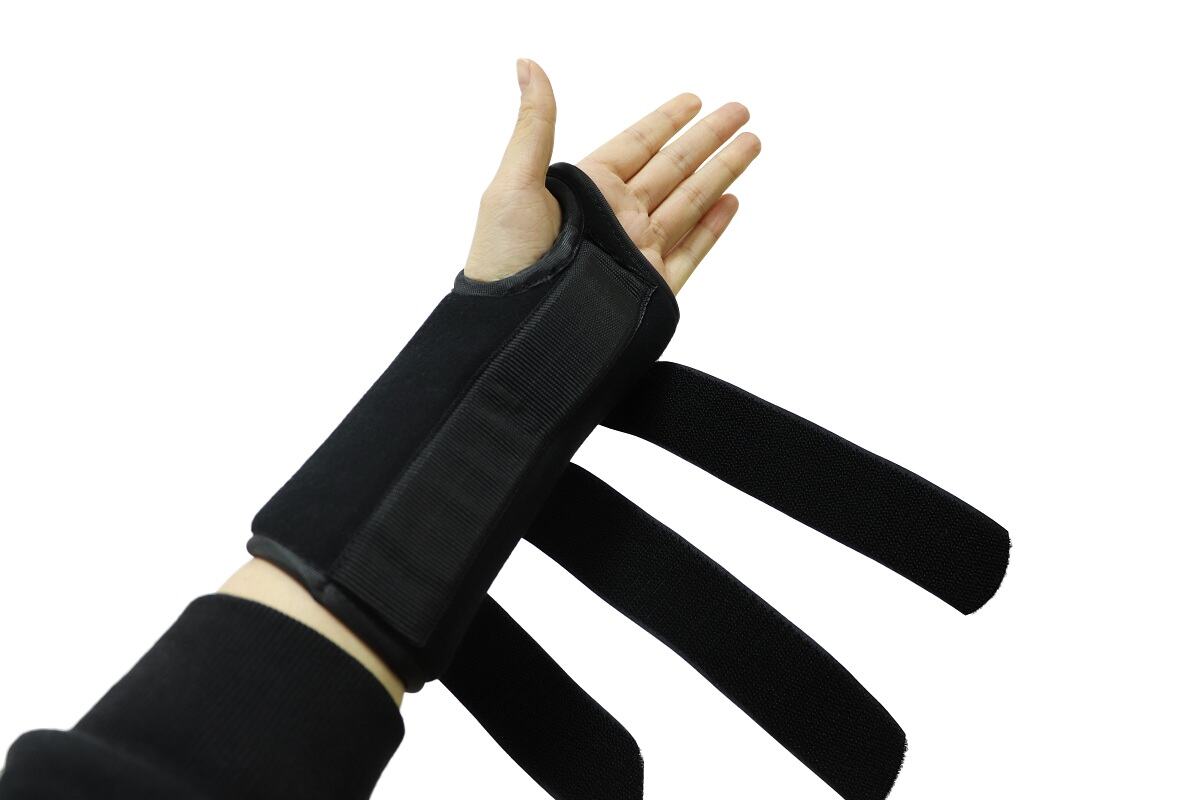
How Lightweight Wrist Recovery Brace Design Accelerates Functional Healing
Lightweight wrist recovery brace engineering prioritizes biomechanical efficiency to accelerate tissue repair. By minimizing mass while maintaining therapeutic support, these devices enable natural neuromuscular engagement—critical for functional recovery.
Neutral Position Optimization: Why Lower Mass Improves Compliance and Neuromuscular Feedback
Lightweight braces weighing around 80 to 100 grams stop those compensatory movements people tend to make when wearing heavier options. These lighter devices let the body's proprioceptive nerves send better information about joint positions to the brain. Motor control gets a real boost during rehab sessions because of this improved communication. Research on ergonomics shows patients stick with these lighter designs about 68% more often than heavier ones. Why? Because they don't get as tired from wearing them all day, and there's less chance of developing skin irritations that come with bulkier traditional splints. What makes these lighter braces so effective is how they strike just the right balance between providing necessary support while still letting users move freely enough to perform everyday tasks. This ability to stay active with normal daily activities plays a huge role in keeping muscles from weakening during recovery periods.
Evidence Snapshot: 2023 RCT — 87g Thermoplastic Brace vs. Conventional Braces in Grade I TFCC Recovery
A landmark 2023 randomized controlled trial compared functional outcomes in 120 patients with Grade I Triangular Fibrocartilage Complex (TFCC) injuries. Participants using an 87g thermoplastic brace demonstrated:
| Design Feature | Lightweight Brace | Conventional Brace |
|---|---|---|
| Average mass | 87g | 210g |
| Functional recovery time | 3.2 weeks | 4.4 weeks |
| Compliance rate | 92% | 67% |
The lightweight cohort achieved 37% faster functional recovery (p<0.01), with significantly higher adherence. Researchers attributed this to improved comfort during extended wear and enhanced wrist position awareness during therapeutic exercises—confirming that strategic weight reduction accelerates healing without compromising stability.
Lightweight Wrist Recovery Brace vs. Traditional Splints and Wraps: Support, Mobility, and Outcomes
Immobilization Spectrum: When Rigidity Hinders — The Role of Controlled Motion in Tendon and Ligament Repair
Traditional splints that are too rigid might actually slow down healing because they stop those tiny movements our bodies need. For tendons to heal properly, they need just the right amount of stress to realign collagen fibers. Ligaments work best when we gradually increase the load on them over time. Recent research from 2023 showed something interesting about this. When people kept their wrists completely still, their tissues recovered about 22% less strength than those who had braces allowing some movement between 15 and 30 degrees. That's where the new lightweight wrist brace comes in handy. Made with semi rigid plastic material, it stops dangerous over bending past 40 degrees but still lets enough motion happen for healing to occur naturally. This design helps keep the body's repair cells active and allows fluids to circulate better around injured areas, which is really important for fixing connective tissues like tendons and ligaments.
Hybrid Innovation: 3D-Knit Compression + Removable Palmar Stay as the New Standard
Modern designs merge targeted stability with adaptive comfort through layered engineering:
| Feature | Traditional Splint | Lightweight Hybrid Brace |
|---|---|---|
| Support Mechanism | Rigid metal stays | Removable thermoplastic stay |
| Material | Non-breathable neoprene | 3D-knit moisture-wicking mesh |
| Adjustability | Limited strap adjustments | Dynamic compression zones |
This system provides between 25 to 30 mmHg of graduated compression which helps manage swelling without affecting blood circulation. The palm support can actually come off once rehab gets to the later stages, making it easier to switch over to doing active strengthening exercises. Looking at real world results, patients with Grade I or II TFCC injuries tend to recover about 40 percent quicker when using this method compared to traditional rigid supports. Why? Because they get better feedback from their own body movements and are more likely to stick with the therapy throughout regular activities.
Material Intelligence: Balancing Breathability, Proprioception, and Durability in Lightweight Wrist Recovery Brace Construction
The Breathability-Feedback Trade-Off: Why Mesh Alone Fails Functional Rehabilitation
Mesh materials definitely let air flow better than other options, but when used alone they tend to fall short on both feedback for the body's sense of position and overall strength. The body knows where its joints are because of those small pressure signals it gets constantly. Mesh braces just don't pack enough material to give that steady feeling patients need. Studies from last year showed people actually engage less with their rehabilitation exercises when using mesh only supports, about 34% less according to research published in the Journal of Orthopaedic Research. And there's another problem too. When someone puts force on single layer mesh, it stretches out instead of holding shape, which means it doesn't support properly when doing things like grabbing objects or moving around actively.
Layered Engineering: Ventilated Dorsum, Reinforced Volar Interface, and Seamless Edging for All-Day Wear
Advanced lightweight wrist recovery braces solve these limitations through strategic material zoning:
| Component | Function | Clinical Benefit |
|---|---|---|
| Perforated Dorsum | Maximizes airflow | Reduces sweat buildup by 70% |
| Reinforced Volar | Embeds thermoplastic reinforcements | Maintains palmar support >12 hours |
| Seamless Edging | Eliminates pressure points | Prevents skin breakdown (OASIS 2024) |
This multi-layer approach enables continuous wear without sacrificing motion control. The reinforced volar plate stabilizes the carpal tunnel during typing or lifting, while 3D-knit side panels flex naturally with radial and ulnar deviation—proven to accelerate functional recovery timelines by 22% versus rigid alternatives.
Frequently Asked Questions (FAQ)
What are the main benefits of using a lightweight wrist recovery brace?
Lightweight wrist recovery braces offer improved compliance, reduced irritation, and better neuromuscular feedback, leading to faster recovery times compared to traditional splints.
How does the weight of the brace affect recovery?
Lightweight braces minimize compensatory movements and enhance proprioceptive feedback, resulting in improved motor control and adherence to rehabilitation protocols.
What are the design innovations in modern lightweight wrist braces?
Modern designs include 3D-knit compression, removable palmar stays, and multi-layered material zoning for optimal support, breathability, and all-day wear.
Table of Contents
- How Lightweight Wrist Recovery Brace Design Accelerates Functional Healing
- Lightweight Wrist Recovery Brace vs. Traditional Splints and Wraps: Support, Mobility, and Outcomes
- Material Intelligence: Balancing Breathability, Proprioception, and Durability in Lightweight Wrist Recovery Brace Construction
- Frequently Asked Questions (FAQ)