 EN
EN

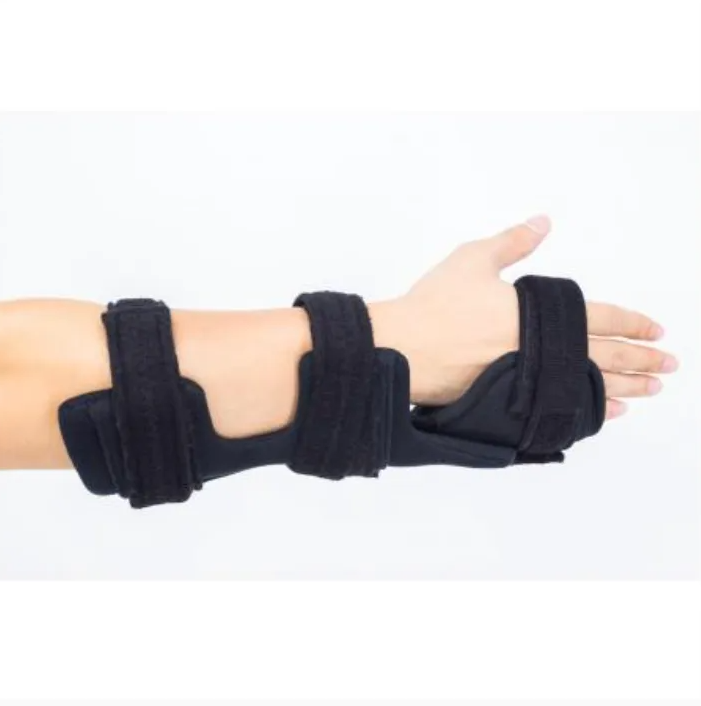
Shifting Expectations for Carpal Tunnel Support in 2026
The conversation around carpal tunnel support has moved well past the one-size-fits-all elastic wrap. Clinicians and experienced users now look for designs that can adapt to changing wrist dimensions throughout the day, hold a therapeutic neutral position without cutting off circulation, and survive months of daily wear without losing structural integrity. An adjustable wrist brace sits at the center of that expectation shift. The category has matured enough that the real question is not whether adjustability helps, but which specific combination of features matches a given lifestyle. Materials, closure mechanics, stay configuration, and edge finishing all factor into whether a brace gets worn consistently or sits in a drawer after three uncomfortable nights.
What Separates a High-Performing Adjustable Brace from the Pack
Three characteristics tend to surface when therapists and long-term users describe a brace that actually works. First, the tensioning system needs to allow independent control of forearm and wrist zones. When a single strap pulls everything tight in one direction, the brace often migrates toward the elbow or creates a pressure hotspot over the ulnar styloid. Second, the volar stay, the rigid or semi-rigid support running along the palm side, should be removable and ideally shaped to follow the natural curve of the palm rather than a generic flat bar. Third, the inner lining must manage moisture and friction. A brace that feels swampy after an hour of desk work will not stay on, no matter how clever the mechanical design. An adjustable wrist brace that gets these three fundamentals right tends to hold up in real daily rotation.
How Design Details Map to Daily Routines
Matching brace features to a person's typical day makes a measurable difference. For keyboard-intensive office work, a low-profile, breathable brace under sleeves works best, using perforated spacer fabric and a slim closure. Manual handling needs lateral stability with bilateral stays and a wide proximal strap. Sleep-only use requires firm neutral positioning, a fixed or semi-rigid stay at 0 to 10 degrees extension, plus an antimicrobial liner. Mixed shifts call for rapid adjustability via quick-release tabs or dual-zone straps. Humid environments demand moisture-wicking open-cell foam and silver-ion liners. These pairings help explain why a design that excels for nighttime use can feel like overkill at a standing desk, and vice versa. The best 2026 options are not about cramming every feature into one product. They are about deliberate feature sets aligned with specific wear patterns.
Evidence That Neutral Splinting Still Leads the Pack
The clinical case for neutral wrist splinting has not weakened. A systematic review in the Journal of Orthopaedic and Sports Physical Therapy noted that nighttime splinting in a neutral position consistently reduced symptom severity scores in mild to moderate carpal tunnel cases, with effect sizes comparable to some conservative treatments. What has evolved is how that neutral position gets maintained. Earlier generations of braces relied on rigid shells that users often abandoned due to discomfort. Modern adjustable designs achieve the same therapeutic alignment while accommodating individual forearm taper and allowing micro-adjustments as nighttime swelling subsides. This shift from rigid immobilization to adjustable neutral positioning reflects the broader trend in orthopedic bracing: compliance drives outcomes, and comfort drives compliance.
A Field Observation from a Logistics Hub Validation
During a validation cycle at a parcel sorting hub that operates around the clock, a team whose members each held deep experience in medical protective equipment tracked wrist support use across three shifts. The environment mixed repetitive scanning, lifting of irregular packages, and long stretches of standing workstation tasks. The initial fleet of slip-on compression sleeves showed visible signs of stretching and seam failure within roughly ten days of continuous use. When the hub switched to an adjustable wrist brace design featuring dual independent straps and a removable contoured stay, the average replacement interval stretched more than threefold. The deeper insight from worker feedback was qualitative: the ability to loosen the brace slightly during administrative logging tasks and tighten it before handling heavier parcels became the feature workers cited most often. This observation reinforced a design principle that often gets overlooked in spec sheets: adjustability is not a convenience feature, it is the mechanism that keeps a brace on the body long enough to do its job.
Where Adjustable Braces Reach Their Limits
Even a thoughtfully designed brace cannot replace proper ergonomics or medical management. In cases with thenar muscle wasting, constant numbness that no longer comes and goes, or electrodiagnostically confirmed severe median nerve compression, surgical consultation should not be postponed. Adjustable braces also cannot correct systemic contributors such as poorly controlled diabetes, thyroid imbalances, or inflammatory arthritis. They manage wrist position, not systemic pathology. For users whose symptoms stem primarily from cervical radiculopathy or thoracic outlet involvement, bracing the wrist alone may provide only partial relief. Stating these limits plainly helps clinicians and end users deploy adjustable support as one component of a broader treatment strategy rather than expecting it to carry the full load.
Scaling production of designs that professionals trust requires manufacturing consistency that matches the sophistication of the design itself. OneBrace supports its product range with 12 complete production lines, a mold library exceeding 1,000 designs, and monthly output capacity above one million sets. The research and development team contributing to continuous product refinement holds an average of eight years of specialized experience in medical protective equipment. For distributors evaluating which adjustable wrist brace to stock in 2026, these production fundamentals provide a supply-side foundation that keeps quality predictable and lead times manageable.
Table of Contents
- Shifting Expectations for Carpal Tunnel Support in 2026
- What Separates a High-Performing Adjustable Brace from the Pack
- How Design Details Map to Daily Routines
- Evidence That Neutral Splinting Still Leads the Pack
- A Field Observation from a Logistics Hub Validation
- Where Adjustable Braces Reach Their Limits