 EN
EN

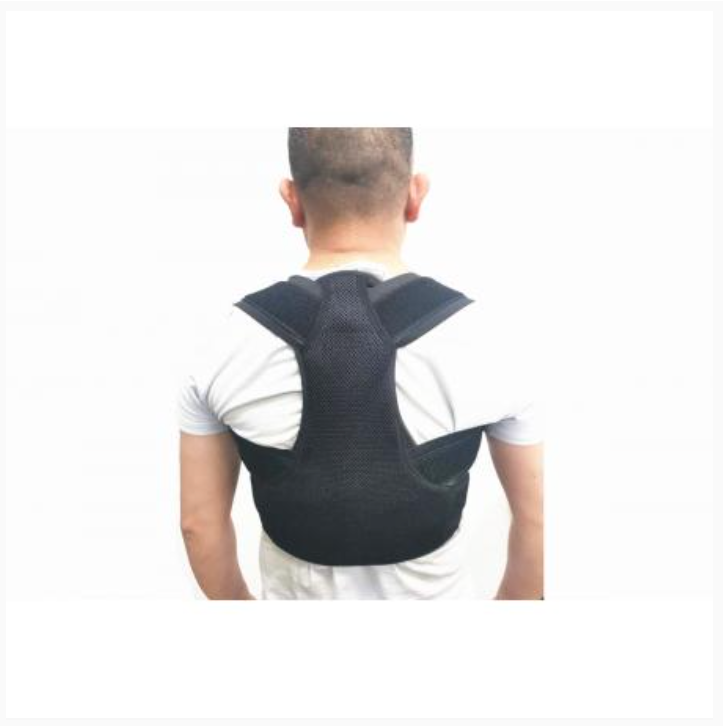
Back support is essential for spine health prevention.
The human spine is a complex biomechanical structure made up of 24 stacked vertebrae, 23 intervertebral discs, and multilayered musculature that ensures structural integrity and functional mobility. Prolonged sitting without targeted back support flattens the spine's natural lumbar lordosis, increasing intradiscal pressure by up to 40% compared to upright standing (Mayo Clinic study). This misalignment causes paraspinal muscles to overwork in order to compensate, resulting in persistent muscular fatigue, which eventually leads to chronic lower back pain (LBP).
For OEM partners and B2B customers, high-quality, ergonomically designed back support solutions provide measurable clinical and commercial value. Ergonomic office chair lumbar systems, contoured support cushions, and adjustable lumbar braces help to reduce spinal strain while working at a desk, commuting, or in an industrial setting. Research shows that using evidence-based back support can reduce work-related musculoskeletal injuries by 35%, making it a valuable selling point for corporate wellness, office furniture, and medical device distributors.
These solutions are more than just short-term symptom relief; they provide proactive, preventive spinal alignment by evenly distributing compressive load throughout the entire spinal structure, halting the degenerative cascade of disc wear, nerve impingement, and muscular atrophy. Clinical data show that 80% of adult LBP cases are caused by preventable poor spinal mechanics and inadequate support. For B2B partners, investing in clinically validated back support products results in a threefold reduction in long-term costs associated with post-injury treatment and product liability, according to physical therapy clinical guidelines — a compelling value proposition for both your end clients and end users.
Building daily resilience through ergonomics, posture, and back support.
How Poor Ergonomics Increases Spinal Stress.
Prolonged exposure to inadequately designed workspaces significantly increases spinal compressive load and accelerates muscular fatigue. According to research published in the Journal of Biomechanics 2025, slouched sitting causes 40% more lumbar spine stress than neutral, upright posture. Poor workspace design, such as low-level monitors, chairs without lumbar support, and misaligned keyboards, can cause repetitive strain, awkward wrist positioning, and shoulder fatigue.
These micro-misalignments represent a critical market opportunity for OEM and B2B partners: over months and years, these small postural deficits compound to accelerate intervertebral disc degeneration, with workers in unoptimized workspaces reporting three times as many chronic LBP episodes as peers with ergonomically aligned setups. Back support solutions that integrate seamlessly into holistic ergonomic systems meet this unmet need, resulting in high-margin, high-demand product lines for the office furniture, corporate wellness, and home office B2B segments.
Posture is a modifiable risk factor for chronic back pain.
Habitual posture is a highly modifiable risk factor for chronic LBP, with far more intervention options than structural spinal conditions like scoliosis. Forward head posture, caused by frequent mobile device use, adds up to 27 kg of stress to the cervical spine (Spine Health Review, 2025), with compensatory strain extending directly to the lumbar area. Research shows that targeted postural training combined with supportive back support products reduces self-reported LBP by 30% in just three months.
Biomechanical adaptability prioritizes posture correction as a non-invasive treatment for mechanically induced LBP, a key design principle for OEM back support products. When combined with ergonomic workspace alignment and neuromuscular retraining exercises, this integrated approach provides long-term benefits for 80% of patients, according to 2023 clinical orthopaedics research. For B2B partners, this evidence base validates product claims, simplifies regulatory compliance, and opens up cross-selling opportunities with corporate wellness programs, physical therapy clinics, and ergonomic consulting services.
Identifying the Root Cause of Back Pain: Mechanical or Structural
Identifying Reversible Mechanical Triggers through Structural Pathology.
When deciding how to best treat someone's pain, doctors usually divide it into two categories. The first type, known as mechanical pain, results from things that can be repaired or adjusted over time. Consider muscle strains, irritated joints, or poor posture habits acquired at work or at home. The majority of these cases improve with simple changes like adjusting office chairs, practicing proper lifting techniques, or getting fitted for supportive belts. Structural pain has a different story. This type results from actual spine damage, such as worn discs, narrowed spinal canals, or birth defects like scoliosis. According to a study published in the Journal of Orthopedic Research last year, mechanical causes account for roughly 7 out of every 10 cases of sudden back pain. However, when pain lasts for months or years, doctors usually find structural issues at the root of the problem.
The key distinctions are the following:
- Mechanical pain usually improves with movement or changes in posture, peaking after activity.
- Structural pain is persistent at rest and can cause neurological symptoms such as numbness, tingling, or weakness, indicating nerve involvement.
Obtaining appropriate back support is dependent on the underlying cause of the problem. A firm, adjustable lumbar cushion helps to stabilize the lower back when sitting for long periods of time, lowering disc pressure by up to 40%, according to some studies. However, people with degenerative disc disease or spinal stenosis usually require something different. Softer supports that conform to the body shape are more effective in this situation because they reduce nerve irritation while avoiding excessive pressure on sensitive areas. Using the wrong type of support may worsen the situation over time, so consulting a doctor first is strongly advised. They can identify the source of the problem and recommend a solution that addresses both the condition and the needs of everyday life.
Non-invasive, evidence-based strategies for integrating back support into daily life.
Core Activation and Lifting Techniques to Reduce Lumbar Load
Strengthening deep core stabilizers, such as the transverse abdominis and multifidus, improves spinal stability and reduces compressive load during daily movements, resulting in a synergistic effect with external back support products. According to data from the 2023 Journal of Orthopedic Research, proper lifting technique can reduce lumbar strain by 30% compared to incorrect form. To lift safely, follow these biomechanical principles: knee flexion over forward bending; maintain neutral spinal alignment; keep loads close to the center of gravity; and avoid torso twisting.
These guidelines are an important value-add for B2B partners in the industrial and manual labor market segments: incorporating these principles into product user guides, training materials, and co-branded workplace safety programs increases end-user adherence, lowers workplace injury rates, and strengthens your value proposition to industrial distributors and corporate EHS (Environment, Health, and Safety) teams. Over time, these evidence-based best practices protect against cumulative micro-injuries to the spinal discs and surrounding soft tissue, extending the clinical benefits of your back support line.
Ergonomic Adjustments Beyond the Desk: From Driving to Sleeping.
High-performance back support solutions must address full-day spinal stress, not just desk-based work—an important differentiator for OEM product lines aimed at multi-use consumer and commercial segments. For automotive applications, optimal seat back positioning of 100-110° reduces spinal compression, while the integrated, adjustable lumbar support conforms to the natural lumbar lordosis. Mirror positioning, which eliminates neck and upper back twisting, further reduces compensatory spinal strain, resulting in a complete in-vehicle ergonomic system.
Side sleepers benefit from knee pillows that keep their hips and spine in alignment, while back sleepers need low-profile cervical pillows to prevent cervical flexion and downstream lumbar strain. The Sleep Health 2024 study confirms that medium-firm mattresses reduce morning spinal stiffness by 40% when compared to soft, non-supportive alternatives. For B2B partners, these multi-scenario insights enable the creation of a complete ecosystem of back support products spanning office, automotive, and sleep segments, thereby increasing customer lifetime value and expanding distribution channels.
Are you ready to elevate your back support product line with clinical-grade OEM solutions?
Back support is the foundation of preventive spine health, corporate wellness, and ergonomic product portfolios; no generic, unvalidated design can provide the clinical efficacy and commercial success that your B2B brand requires. Aligning back support solutions with peer-reviewed biomechanical research, multi-scenario functionality, and clinical pain-type targeting leads to consistent sales growth, regulatory compliance, and customer loyalty in the global orthopedic and ergonomics market.
For OEM/ODM back support solutions tailored to your target segments (corporate wellness, office furniture, automotive, clinical rehabilitation, or industrial safety), work with a manufacturer with orthopedic expertise and global B2B compliance. Our 10+ years of experience include ISO 13485-certified manufacturing, clinical validation, and end-to-end OEM customization; contact us today for a no-obligation consultation to improve your back support product lineup and capture untapped market share.
Table of Contents
- Back support is essential for spine health prevention.
- Building daily resilience through ergonomics, posture, and back support.
- Identifying the Root Cause of Back Pain: Mechanical or Structural
- Non-invasive, evidence-based strategies for integrating back support into daily life.
- Are you ready to elevate your back support product line with clinical-grade OEM solutions?