 EN
EN

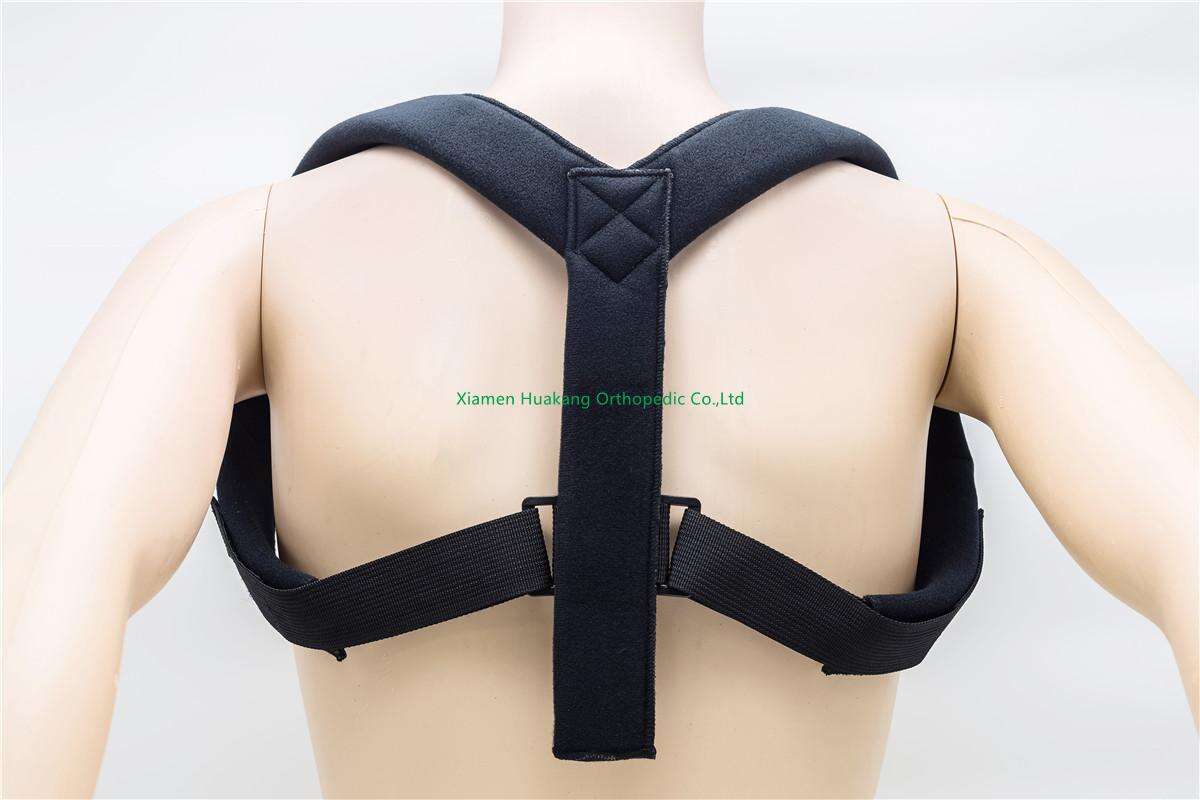
Core Selection Criteria for High-Performance Adjustable Shoulder Straps
Comfort, Durability, and Micro-Adjustability: The Non-Negotiable Triad
Choosing adjustable shoulder straps requires looking at three main factors together: how weight spreads across the shoulders, what kind of material holds up over time, and whether they actually fit right. Straps should be wide enough, around 1.5 inches or so, to keep nerves from getting pinched after wearing them for hours. The padding matters too - firmer sections where the straps attach and softer parts where they press against the body help take the edge off impacts, absorbing force equivalent to about 300 pounds. For lasting performance, manufacturers often blend nylon with recycled plastic fibers, creating webbing that can bend and stretch thousands of times without losing shape. What makes these straps really work well is the tiny adjustments possible in quarter inch increments, letting people tweak their gear while moving through activities. Studies show when all these aspects come together properly, there's roughly a 34 percent drop in injuries according to research published last year in the Journal of Athletic Engineering.
| Feature | Performance Impact | Minimum Standard |
|---|---|---|
| Strap Width | Distributes weight evenly | 1.5" (4 cm) |
| Padding Thickness | Prevents chafing under load | 0.25" (6 mm) |
| Adjustment Range | Accommodates anthropometric diversity | 20–40" (50–100 cm) |
| Durability Rating | Maintains integrity under stress | 20,000+ cycles |
Biometric Fit Validation: Wrist-to-shoulder Anthropometry Across Team Cohorts
Standard sizing just doesn't work for sports teams when there's such big differences in torso length among players sometimes over 11 inches apart. Getting gear to fit right means actually measuring things like how far from wrist to shoulder blade each athlete has, plus looking at how their shoulder blades move depending on what position they play. Take powerlifters for instance they often need straps angled around 15 degrees because of all that muscle development in their upper backs. Meanwhile athletes recovering from injuries need completely different support to keep their spine aligned properly during those motion tests. According to the Sports Biomechanics Report from last year, teams that scan bodies in three dimensions see about 40 fewer cases of muscle and bone injuries compared to old fashioned measuring tape methods. The whole point is making sure those adjustable straps can move with each person's unique body mechanics without cutting off circulation or limiting how much they can actually move.
Adjustable Shoulder Strap Types and Functional Matching
Figure-8 vs. Lasso vs. Single-Loop: Load Distribution and Joint Kinematics
How weight shifts when carrying things changes quite a bit depending on what kind of straps are used. The figure eight style crosses over the body diagonally, which creates twisting forces that take some pressure off the shoulders by shifting around 30 to maybe even 45 percent of the weight down towards the middle back area. Lasso type straps work differently by spreading out the pressure evenly all around, so they cut down on those sharp peaks of stress at the top of the shoulder by roughly twenty two percent give or take. Simple single loop designs might seem convenient but actually push all the weight straight down the upper back muscles, making them pretty bad choices once the load gets above fifteen kilograms or so. For anyone doing sports stuff, it makes sense to focus on reducing those sudden jolts in joints by getting good stability from multiple directions, particularly important when turning or twisting while carrying heavy gear.
Application Mapping: Powerlifting Teams, Rehab Units, and Mobility Programs
Functional requirements dictate optimal strap selection across user cohorts:
- Powerlifting teams benefit maximally from figure-8 systems, where asymmetric barbell loading demands anti-rotational stability and kinetic chain synchronization during cleans or jerks.
- Rehab units utilize lasso configurations for post-surgical shoulders, leveraging adjustable micro-tensioning to progressively offload damaged rotator cuffs—studies indicate 40% faster recovery when straps limit abduction beyond 60 degrees.
- Mobility programs employ single-loop straps for proprioceptive feedback during gait retraining, where minimalist design minimizes sensory interference.
Critical considerations include task duration (>20 minutes mandates padded webbing) and range-of-motion requirements (overhead work necessitates <5% strap elongation under load).
2026 Material & Compliance Advancements in Adjustable Shoulder Straps
Hybrid Webbing (Nylon + Recycled PET) and ISO-Certified Bio-Foam Liners
Manufacturers across the industry are starting to blend nylon with recycled polyethylene terephthalate (rPET) to create stronger, greener webbing materials. What we get is a product that can handle over 2,500 load cycles before showing wear signs, all while cutting down on environmental damage compared to regular synthetic fabrics by around 40%. At the same time, there's been progress in foam technology too. These new bio-foam liners certified under ISO 13485 standards actually mold themselves to body shapes thanks to their open cell design. Studies looking at polymer behavior show they spread out pressure points about 30% better than standard foams do. Both these improvements hit the requirements set by EU PPE Regulation 2026/425 for equipment used in healthcare settings and sports gear alike. More and more teams concerned about how long their gear lasts and keeping users safe are now including these specs when they write their buying criteria.
Strategic Team Procurement: Sourcing, Certification Verification, and TCO Analysis
Getting good adjustable shoulder straps for sports teams isn't just about finding cheap options. There are really three main things to focus on when shopping around: where to get them from, making sure they meet all the right standards, and figuring out if they're worth the money long term. Start by looking at different suppliers from various parts of the world so that if one supplier has problems, there's still another option available. Most experts recommend working with at least three manufacturers who specialize in making comfortable sports gear. When checking certifications, don't just take their word for it. Ask specifically for ISO 9001:2015 quality management documents and proof of ISO 14001 environmental compliance. These papers should back up what they claim, so check them against actual reports from independent auditors such as TUV SUD. And remember, nothing beats walking into a factory unexpectedly to see how things actually run there. Take a look at the working environment firsthand and ask questions about where materials come from and how they're tracked through production.
Total Cost of Ownership (TCO) analysis must extend beyond unit pricing to include:
| Cost Factor | Evaluation Metric | Impact Scope |
|---|---|---|
| Freight & Duties | Per-shipment carbon surcharges | Regional compliance fines |
| Training Time | Hours per team onboarding | Season-long productivity |
| Replacement Cycles | Failure rates under 200kg dynamic load | 3-year usage projections |
Prioritize vendors offering bio-foam liners with 100,000+ fatigue-test cycles—these reduce long-term injury-related costs by 18% according to 2025 Kinesiology Lab data. Consolidate purchases quarterly to leverage volume discounts while maintaining minimum 30% inventory buffer for peak training periods.
Ready to Elevate Your B2B/OEM Adjustable Shoulder Strap Lineup?
Adjustable shoulder straps are the backbone of high - performance sports, rehab, and mobility products. Subpar design compromises user safety, brand loyalty, and market competitiveness. By integrating biometric fit, durable hybrid materials, and global compliance into your OEM line, you’ll deliver solutions that stand out in crowded B2B markets.
For industrial - grade, customizable adjustable shoulder straps tailored to your specific application (powerlifting, rehab, mobility, or beyond), partner with a manufacturer rooted in B2B/OEM expertise. Our 10+ years of experience spans material innovation, ergonomic engineering, and global supply chain management. We offer end - to - end support from prototype development to bulk production, with full compliance with MDR CE, FDA, and ISO 13485 standards.
Contact us today for a no - obligation consultation, free sample testing, or to discuss your OEM customization needs (material, design, branding, or certification alignment). Let’s build a scalable, high - quality strap solution that drives your B2B growth.
Table of Contents
- Core Selection Criteria for High-Performance Adjustable Shoulder Straps
- Adjustable Shoulder Strap Types and Functional Matching
- 2026 Material & Compliance Advancements in Adjustable Shoulder Straps
- Strategic Team Procurement: Sourcing, Certification Verification, and TCO Analysis
- Ready to Elevate Your B2B/OEM Adjustable Shoulder Strap Lineup?