 EN
EN
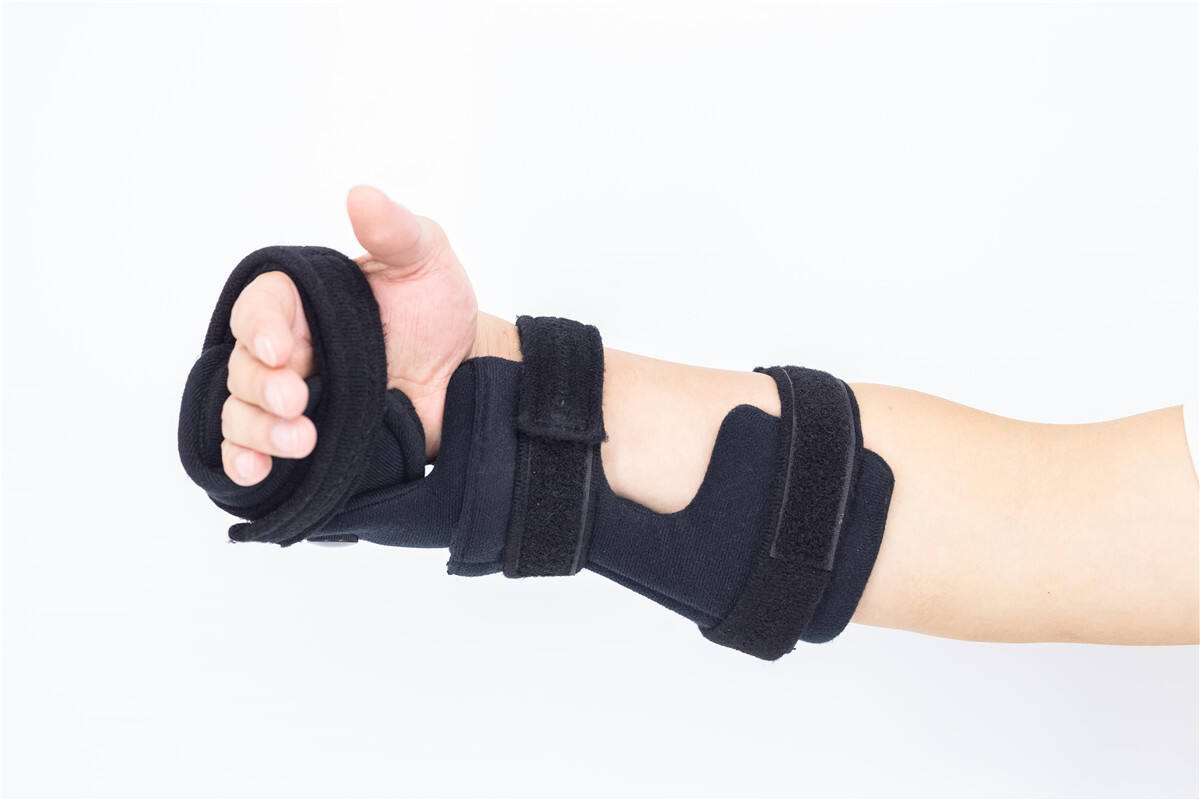
Kontrolli i menjëhershëm i Dhimbjes dhe i Inflamacionit me një Braketë Mjekësore të Gjitheve për Shtrirje
Ngarkesa mekanike: Si kompresioni dhe mbështetja zvogëlojnë sinjalizimin nociceptiv në shtrirjet akute
Ortезat mjekësore për këmbët ndihmojnë në lehtësimin e dhimbjes nga shtrirjet duke zvogëluar shtypjen mbi ligamente të dëmtuara. Ata funksionojnë duke zvogëluar stresin mbi nervat e ndjeshëm dhe duke kufizuar sinjalet që i tregojnë trurit se diçka është e dhimbshme. Kur dikush vish ortezën, ajo parandalon lëvizjet e rrezikshme si përtypja e tepërt ose përkulja e tepërt e këmbës. Hulumtimet në trupat e vdekur gjetën faktikisht se këto lëvizje të kufizuara zvogëlojnë aktivizimin e nervave me rreth dy të treta. Mbajtja e këmbës në një pozicion të qëndrueshëm dhe të komfortshëm parandalon dëmtimet e vogla që ndodhin përsëri dhe përsëri në inde të tashmë irrituara. Kjo shkëput ciklin ku dhimbja çon në spazma muskulore, të cilat pastaj shkaktojnë më shumë dhimbje. Për më tepër, kur muskujt nuk janë vazhdimisht të tensionuar për të mbrojtur zonën, mekanizmat e vetëm të zbutjes së dhimbjes të trupit mund të funksionojnë më mirë.
Modulimi i përgjigjes inflamatore: Evidenca klinike mbi reduktimin e CRP dhe IL-6 me përdorimin e hershëm të ortezës
Vendosja e një shiriti mbrojtës brenda rreth 48 orëve pas pësimit të dëmtimit mund të ndryshojë faktikisht mënyrën se si trupi përgjigjet ndaj inflamacionit. Një hulumtim i fundit i vitit 2023 i kishte vëzhguar njerëzit me rëndësi të lehta deri në mesatare të kraharoris dhe gjeti diçka interesante. Ata që vishnin shirita mjekësorë për kraharorin kishin rreth 37 përqind më pak CRP dhe pothuajse 30 përqind më pak indikatorë IL-6 në gjak pas tre ditësh, krahasuar me ata që nuk vinin shirita. Pse ndodh kjo? Epo, ka tre arsye kryesore që veprojnë bashkë. E para, shtypja nga shirita ndihmon në kontrollimin e shpërndarjes së ujit (edemës) dhe pengon akumulimin lokal të shumë substancave inflamatore. E dyta, kur lëvizja kufizohet, ndalohet irritimi i mëtejshëm që do të vazhdonte të mbante në vazhdim inflamacionin. Dhe e treta, rrjedha e përmirësuar e gjakut përmes venave ndihmon në heqjen më të shpejtë të këtyre substancave inflamatore. Të gjitha këto faktorë krijojnë kushte ku trupi mund të kalojë më herët nga lufta kundër dëmtimit në fillimin e punës së riparimit.
Stabilizimi dhe Parandalimi i Dëmtimit: Kufizimi i Lëvizjeve të Dëmshme Pas një Rrëshqitjeje të Pulsit
Pas një dëmtimi të lidhëses, është shumë e rëndësishme të mbahet këmba nga lëvizjet që mund të shkaktojnë dëmtime shtesë. Studimet tregojnë se vënia e një mbështjellësi të duhur të këmbës mund të zvogëlojë lëvizjet anësore, të quajtura deviacion radial dhe ulnar, me rreth dy të treta gjatë kryerjes së veprimtarive të përditshme, çka ndihmon në parandalimin e rrëshqitjeve të vogla gjatë fazave kritike të fillimit të shërimi, sipas një studimi të botuar vitin e kaluar në Journal of Hand Therapy. Njerëzit që vënë këto mbështjellësa kanë gjithashtu rezultate shumë më të mira. Statistikat nga American Journal of Sports Medicine e konfirmojnë këtë, duke treguar se vetëm rreth 1 nga secilit 5 pacientë që vijnë mbështjellësin e këmbës pësojnë një dëmtim tjetër brenda tetë javëve, krahasuar me gati gjysmën e atyre që nuk kanë mbështetje. Për rastet e shtrirjeve të lehta deri në mesatare, ekspertët rekomandojnë kufizimin e përkuljes mbi rreth 30 gradë duke përdorur mbështetëse të dizajnuara specifikisht. Mbështjellësat e modernë tani vijnë me mbushje të formuara që pengojnë shtrirjen e tepërt të rrezikshme, por lejojnë gjithnjë e më shumë lëvizje brenda gamës së sigurt. Ky qasje ka kuptim, sepse problemet e gjatëgjatë prekin rreth një të tretën e rasteve ku dëmtimet nuk janë mbështetur në mënyrë të duhur gjatë procesit të shërimi, siç theksohet në gjetjet e fundit nga JOSPT.
Shpejtimi i shërimi të lidhësve dhe i ripërtëritjes funksionale me përdorim të vazhdueshëm të mbështjellësit
Shkalla e rikthimit të lidhësve të konfirmuar me MRI: Shkallët I–II të shtrembërimeve me mbështjellës vs. pa mbështjellës
Ortезat për këmbë mund të shpejtojnë procesin e shërimi për ligamente të dëmtuara në zonën e dorës dhe të këmbës. Hulumtimet që përdorin skane MRI kanë zbuluar se njerëzit që vishin ortëza pas shtrirjeve të lehta deri në të mesme shihen se fibrat e kolagjenit të tyre rreshtohen rreth 40 përqind më shpejt krahasuar me ata që nuk përdorin mbështetje. Pas vetëm gjashtë javësh trajtimi, rreth tre nga katër pacientët që vishin ortëza treguan vazhdimësi të plotë të ligamenteve, ndërsa vetëm rreth gjysma e grupit pa ortëza arritën rezultate të ngjashme. Shtypja e siguruar nga këto mbështetje ndihmon në rritjen e qarkullimit të gjakut lokal, që do të thotë një furnizim më të mirë me oksigjen dhe ushqime në zonën e dëmtuar, duke ndihmuar gjithashtu në heqjen e substancave të dëmshme inflamatore. Ruajtja e artikulacionit në pozicionin e duhur gjatë tërë procesit të shërimi është po aq e rëndësishme, pasi redukton rrezikun e formimit të indit të varfër të sharrës, duke ruajtur vetitë e nevojshme të fortësisë. Për shkak të këtyre përfitimeve, shumica e specialistëve ortopedikë tani konsiderojnë përdorimin e ortëzave për këmbë një pjesë thelbësore të planeve të rehabilitimit për pacientët që po ripërtërihen nga lëndimet akute.
Milestones funksionale: Koha për kthimin te aktivitetet e përditshme të jetës dhe aktivitetet e lehta me mbështetëse mjekësore të këmbës për shtrirje
Përdorimi i konsistent i shkrepave ndan në mënyrë të dukshme kohën e nevojshme për njerëzit që të kthehen në funksionimin normal pas një lëndimi. Shumica e njerëzve që vishin shkrepave mund të fillojnë përsëri të kryejnë detyrat e tyre të përditshme rreth ditës 11 në mesatare, gjë që është rreth 30% më shpejt se ata që nuk përdorin asnjë mbështetje fare (ata zakonisht kërkojnë rreth 16 ditë). Kur bëhet fjalë për aktivitete më të lehta, si p.sh. ngarkimi i ushqimeve nga makinaja, njerëzit me shkrepave zakonisht kthehen në atë rutinë brenda tre javëve, në vend që të presin më shumë pa ndihmë. Pse ndodh kjo? Në fakt, ka disa gjëra që ndodhin bashkëkohësisht. Së pari, dhimbja e ulët do të thotë se pacientët mund të lëvizin më herët dhe të bëjnë këtë në mënyrë të sigurtë. Trupi i tyre gjithashtu dërgon sinjale më të mira në tru përmes një procesi të quajtur propriosepsioni, duke ndihmuar muskujet të kujtojnë çfarë duhet të bëjnë. Për më tepër, kur pesha aplikohet gradualisht nën mbrojtje, indejet në fakt adaptohen dhe shërohen më fort pa shkaktuar dëmtim të ri.
Zgjedhja e Shkrepës së Doreve Médikale të Përshtatshme për Rrëshqitjet sipas Fazës dhe Shkallës së Rëndësisë
Braketat rigide, semi-rigide dhe me mbështjellës të butë: Përputhja e dizajnit me stadin klinik (akut – subakut – funksional)
Zgjedhja e braketës së duhur të këmbës kur dikush ka një shtrirje do të thotë përputhja e nivelit të mbështetjes që ajo ofron me fazën e procesit të shërimi. Në dy javët e para pas dëmtimit, mjekët zakonisht rekomandojnë braketa të ngurtë që e mbajnë këmbën plotësisht të palëvizshme. Kjo është e rëndësishme sepse lëvizja shumë herët mund të shkaktojë edhe më shumë dëmtime ligamenteve që janë tashmë të dëmtuara. Studimet mbi lëvizjen dhe shërimin e këmbës tregojnë se këto mbështetje rigide zvogëlojnë mundësinë e përsëritjes së dëmtimit me rreth tre katërtat kur krahasohen me mbështjellësat elastike të zakonshëm për shtrirjet mesatare. Kjo është logjike, pasi që stabilizimi i plotë jep trupit kohën e nevojshme për të shëruar në mënyrë të duhur pa ndërhyrje.
Në faza subakute (javët 3–6), kalim në ortozë semi-rigide që mbajnë kufizimin e lëvizjes në intervalin 50–70%. Këto lejojnë glidimin e kontrolluar të tendoneve për të parandaluar adhezionet dhe kanë shiritë rregullues për ngarkesë progresive në mënyrë që toleranca e indeve të rritet.
Rreth javës së gjashtë, kur pacientët fillojnë të kthehen në rutinat e tyre të përditshme, ortezat me mbështjellës të butë shkëlqejnë me të vërtetë. Këto orteza ofrojnë disa përparësi specifike që vlen të përmenden. Ato sigurojnë kompresionin e nevojshëm, i cili ndihmon në vetëndërgjegjësimin e trupit gjatë aktiviteteve të zakonshme në shtëpi ose në vendin e punës. Për më tepër, ato janë prodhuar nga materiale të frymëzueshme, kështu që njerëzit mund t’i veshin gjithë ditën pa ndjenjë pakomforti. Disa modele vijnë edhe me shiritë rezistente opsionale që ndihmojnë në rritjen e forcës gradualisht. Tani kjo është një gjë e rëndësishme nga studimet e fundit: nëse dikush kalon shumë shpejt nga ortezat rigide në ato të buta para se trupi i tij të jetë i gatshëm, ka rreth 34% më shumë mundësi që lëndimet të kthehen përsëri. Ky gjetje u botua në Journal of Orthopaedic Research vitin e kaluar dhe është në përputhje me atë që shumica e specialistëve ortopedikë po shohin në praktikën e tyre këto ditë.
FAQ
P: Pse është e rëndësishme të vishet ortezë e këmbës pas një shtrirje?
A: Mbrështjet e këmbës ndihmojnë në zvogëlimin e dhimbjes duke ulur ngarkesën nga ligamentet e dëmtuara, minimizojnë inflamacionin dhe stabilizojnë këmbën për të parandaluar dëmtimet shtesë.
Q: Sa shpejt mund të rimerrë dikush aktivitetet normale me një mbrështje këmbësh?
A: Njerëzit që përdorin mbrështje këmbësh zakonisht rimarrin aktivitetet normale brenda rreth 11 ditëve, gjë që është 30% më shpejt se ata që nuk vishin asnjë mbështetje.
Q: Cilat janë etapat e përdorimit të mbrështjes së këmbës gjatë procesit të shërimi?
A: Etapat e shërimi përfshijnë përdorimin e mbrështjeve të forta në fazën akute për të kufizuar lëvizjen, mbrështjeve semi-të forta në fazën subakute për të lejuar lëvizje të kontrolluar dhe mbrështjeve me copë të buta gjatë shërimi funksional për komoditet dhe mbështetje të lehtë.
Përmbajtja
- Kontrolli i menjëhershëm i Dhimbjes dhe i Inflamacionit me një Braketë Mjekësore të Gjitheve për Shtrirje
- Stabilizimi dhe Parandalimi i Dëmtimit: Kufizimi i Lëvizjeve të Dëmshme Pas një Rrëshqitjeje të Pulsit
- Shpejtimi i shërimi të lidhësve dhe i ripërtëritjes funksionale me përdorim të vazhdueshëm të mbështjellësit
- Zgjedhja e Shkrepës së Doreve Médikale të Përshtatshme për Rrëshqitjet sipas Fazës dhe Shkallës së Rëndësisë