 EN
EN
Si e lehtëson braci i mbështetjes lombare dhimbjen në pjesën e poshtme të shpinës
Mekanizmat biomkanike: Ngarkimi i kolonës së shpinës dhe kontrolli i lëvizjes
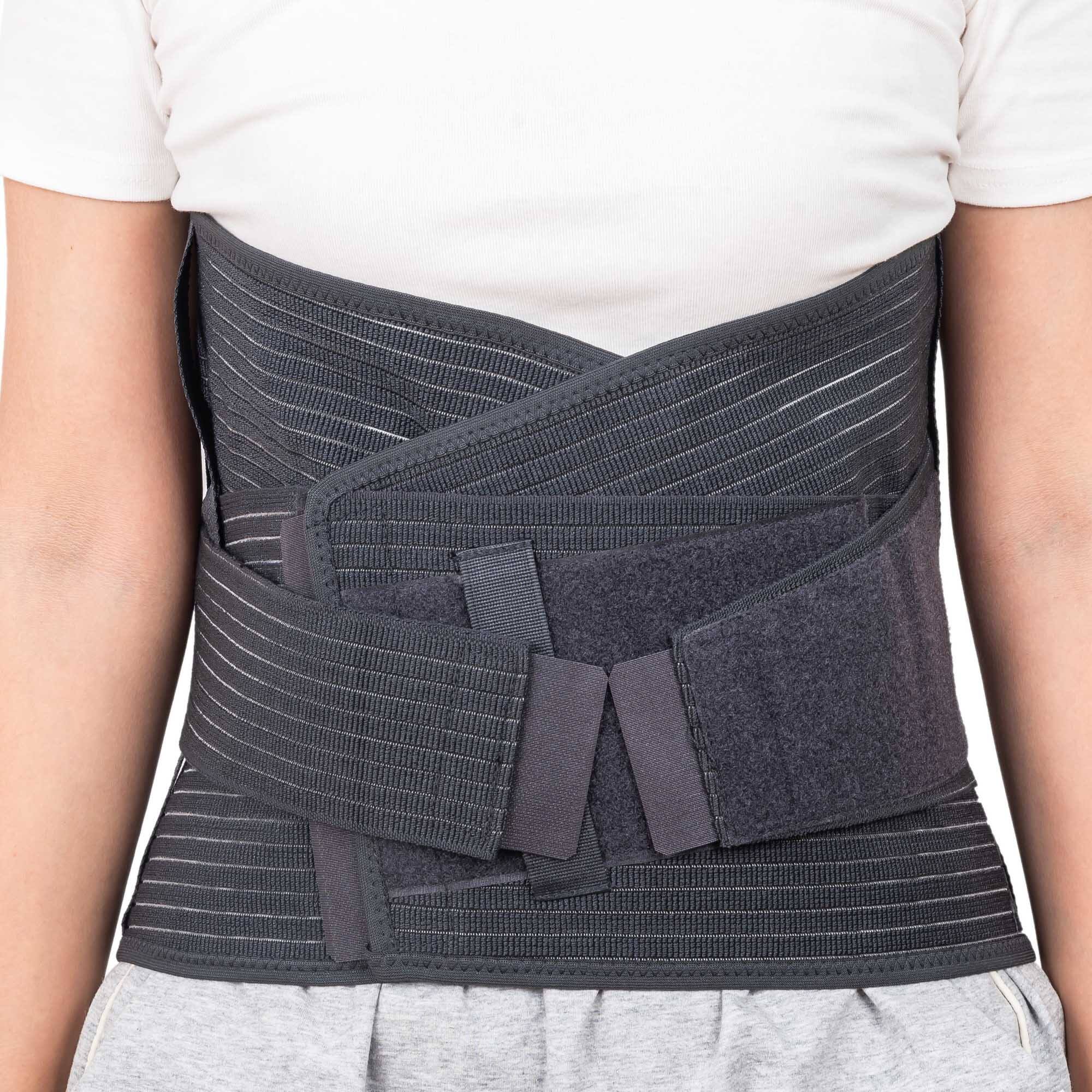
Braketat e mbështetjes lumbrale ndihmojnë në zvogëlimin e dhimbjes në pjesën e poshtme të shpinës kryesisht sepse bëjnë dy gjëra për shpinën: zvogëlojnë shtypjen dhe kontrollojnë lëvizjen. Kur dikush i vish, braketa aplikon shtypje rreth zonës së barkut, e cila në fakt rrit shtypjen brenda kavitetit të barkut. Mendoni për këtë si krijimin e një sistemi të brendshëm mbështetës që mund të zvogëlojë forcën që vepron kundër diskut të pjesës së poshtme të shpinës me rreth 25 deri në 30 përqind. Në të njëjtën kohë, pjesët rigide të braketës ndalojnë lëvizjet e rrezikshme të shpinës. Këto pjesë kufizojnë përkuljen përpara nga rreth 40% deri në 60%, përkuljen prapa rreth 35% dhe lëvizjet e kthyer që shpesh çojnë në probleme me disqet. Së bashku, këto efekte zhvendosin pjesën e peshës larg nervave të ndjeshëm dhe zonave të dëmtuara, duke ruajtur shpinën në një pozicion më të mirë. Studimet tregojnë se kur njerëzit ngrenë sende duke veshur këto braketa, shtypja mbi disket bie pothuajse në gjysmë krahasuar me ngjitjen pa asnjë mbështetje. Kjo ndihmon në shërimin më të shpejtë të indeve të dëmtuara pa bërë të pamundur lëvizjen normale.
Zbatime klinike për shtresat akute, shtrirjet dhe rritjet e papritura
Kur përballet me ato dëmtime të papritura të indeve të buta, si p.sh. muskujt e tërhequr ose ligamentet e shtrirë, veshja e një braketi lumbor mund të ndihmojë në mënyrë të dukshme në kufizimin e lëvizjes gjatë periudhës inflamatore të parë, kritike prej 72 orësh. Kjo ndihmon në parandalimin e dëmtimit të mëtejshëm nga lëvizjet e përditshme, veçanërisht gjëra si përkulja poshtë ose kthimi, të cilat mund të rrisin forcën e rrëshqitjes në inde të dëmtuara tashmë me rreth 80%. Për njerëzit që përjetojnë rritje të papritura të artrozës ose dhimbje të shpinës të lidhura me diskun, këto braket funksionojnë edhe ndryshe. Ato zvogëlojnë shtypjen mbi nervat e shtypur dhe e pengojnë lëvizjen e tepërt të pjesëve të pasigurta të kolonës së kurrizit. Studimet tregojnë edhe një gjë interesante këtu: personat që veshin braketet e tyre së bashku me ndryshimet e aktivitetit fizik të tyre shënojnë një ulje të dhimbjes rreth sa gjysmë aq shpejt sa ata që nuk kombinojnë këto qasje gjatë këtyre periudhave akute.
Dritaret kryesore të trajtimit për efikasitetin e braketit:
- Shtrirjet e muskujve: 3–14 ditë stabilizimi gjatë rimodelimit të indit
- Shtrirjet e lidhësve: 2–6 javë kontrolli i lëvizjes për rirreshtimin e kolagjenit
- Përshkallëzimet e hernias së diskut: 4–8 javë shkarkimi për të zvogëluar shtypjen mbi materialin e dalë
Këto aplikime të përqendruara parandalojnë shndërrimin e lëndimeve akute në disfunkcion kronik, ndërkohë që lejojnë lëvizje më të sigurtë gjatë rehabilitimit.
Mbreterësi mbështetëse lumbare për korrigjimin e pozicionit dhe stabilitetin funksional
Udhëzime reale në lidhje me pozicionimin dhe rimësimi neuromuskular
Mbrëmje mbështetëse lumbrale funksionojnë duke dhënë përsëri feedback të vazhdueshëm përmes shtypjes së butë çdo herë kur shpineja e dikujt fillon të devijojë nga pozicioni i mirë i saj. Ky ndjenjë në fakt trajnon muskujt e trupit të mbajnë një pozicion më të mirë natyralisht me kalimin e kohës. Njerëzit që i vishin rregullisht këto tendencë të vërejnë një përmirësim të ndërgjegjësimit për posturën rreth 34 përqind më shpejt pas një muaji ose rreth, pasi ndalojnë të mbështeten aq shumë në ato muskuj të shtesë që zakonisht përfundojnë duke i dëmtuar pjesën e poshtme të shpinës. Kur qëndroni ulur gjithë ditën, kjo korsetë ndalon lëvizjet e keqija të përkuljes që çojnë në probleme si p.sh. paraqitja e kokës përpara dhe përkulja e pelvisit prapa – të dyja gjërat që mund të shkaktojnë vërtet dëmtime në disket e shpinës. Mendoni për të si për një trajner personal për muskujt e shpinës, i cili i mëson ngadalë se si të mbahen të drejtë vetë pa u nevojitur ndihmë e jashtme nga vetë korseta.
Stabilizimi i bashkimit lumbosakral gjatë lëvizjeve të përditshme dhe rehabilitimit
Zona L5-S1 merr përafërsisht tre katërtat e të gjitha forcave të ngarkesës së kolonës kurrizore çdo herë kur dikush lëviz, duke e bërë një nga ato vende ku lëndimet shpesh kthehen përsëri dhe përsëri. Korselet lumbrale funksionojnë duke rrethuar këtë zonë kritike, duke ushtruar presion uniform që mund të zvogëlojë stresin e rrëshqitjes gjatë përkuljeve ose ngjitjeve me përafërsisht 40 për qind sipas disa studimeve. Kur dikush po ripërtëritet pas një lëndimi, kjo lloj stabiliteti është shumë e rëndësishme sepse indejet e tij janë ende shumë të dobëta. Ajo i lejon të kryejnë ushtrime terapeutike pa rrezikuar dëmtim të mëtejshëm, të kryejnë detyrat e përditshme në mënyrë të sigurtë dhe të fillojnë gradualisht të vendosin përsëri peshë mbi objekte siç po shërohen. Korsela ndihmon gjithashtu në zvogëlimin e tensionit në lidhëset dhe në nyjet që po shërohen, kështu që njerëzit mund të mbeten të lëvizshëm pa shkaktuar lëndime të vogla që ngadalësojnë kohën e shërimi. Ajo që bën këto korsele të dobishme me kalimin e kohës është aftësia e tyre për të përshtatur në stadi të ndryshëm të shërimi, duke ofruar mbështetje të fortë menjëherë pas lëndimit, por pastaj duke kaluar në një model më të lehtë kur forca fillon të kthehet.
Mbrëmje Mbështetëse e Zonës Lombare për Shërim, Parandalim dhe Përdorim të Gjatë Kohës
Mbështet Shërimin e Indit Pas Dëmtimit ose Operacionit
Pas kryerjes së një operacioni të kolonës shtytore ose përballimit me lëndime të papritura, si problemet e hernias së diskut, përdorimi i një shiriti lumbor ndihmon në krijimin e kushteve më të mira për shërim. Kur stabilizohet zona e poshtme e shpinës, kjo mund të zvogëlojë stresin fizik në indet që po shërime rreth 40 përqind në krahasim me rastin kur dikush lëviz pa mbështetje, sipas një studimi të vitit 2019 të publikuar në revistën "Clinical Biomechanics". Mënyra se si funksionojnë këto shirita faktikisht parandalon lëndimet e vogla gjatë fazës kur formohet indi i ri i vargullit, por lejon gjithashtu njerëzit të kryejnë veprimet bazike, si për shembull ecja me siguri. Ka edhe një përfitim tjetër: aspekti i kompresionit përmirëson vetëdijen trupore, prandaj pacientët zakonisht shmangin ato lëvizje të pakomfortshme që ushtrojnë shtypje shtesë mbi pjesë të tjera të shpinës. Gjetja e asaj përqendrimi të duhur midis kufizimit të lëvizjes dhe ruajtjes së një pjesë të caktuar lëvizshmërie është vërtetuar klinikisht se shpejton shërimin e përgjithshëm të indit të butë.
Zvogëlimi i rrezikut të lëndimit të përsëritur gjatë fazave të kthimit në aktivitet
Braketat lumbrale vepron si udhëzues të përkohshëm për njerëzit që kthehen pas një shtrembërimi në aktivitetet e zakonshme në punë ose në sport. Hulumtimet tregojnë se personat që ndalojnë ngadale përdorimin e braketave rreth 4–6 javësh, duke bërë ushtrime për muskujt e qendrës, kanë rreth 60% më pak mundësi të shtrembërohen përsëri, sipas një studimi të botuar në revistën 'World Neurosurgery' në vitin 2018. Këto braketa parandalojnë kryesisht përkuljen e tepërt përpara mbi 20 gradë kur dikush ngre diçka të rëndë ose i rrotullohet trupit. Ata gjithashtu ndihmojnë në ruajtjen e shpinës në një pozicion të mirë, duke dhënë personit një feedback të ndjeshëm. Mendoni për to si një sistem alarmi i integruar që kujton trupin të mos hyjë në pozicione të rrezikshme derisa muskujt rreth shpinës të forcohen përsëri nëpërmjet sesioneve të duhura të rehabilitimit.
Praktikat Më Të Mirë Bazuar në Dhome për Përdorimin e Braketës së Mbështetjes Lumbrale
Për të maksimizuar përfitimet dhe për të minimizuar rreziqet, ndiqni këto udhëzime klinike për përdorimin e braketës së mbështetjes lumbrale. Së pari, zbatoni një protokoll të ngadaltë të heqjes së përdorimit kur ndërpritet përdorimi i braketeve pas shërimi. Fizioterapeutët këshillojnë një zvogëlim të etapizuar në një periudhë 2–4 javësh:
- Filloni me 4–6 orë në ditë pa braketë
- Rritni periudhat pa braketë me 90 minuta çdo 3 ditë
- Monitorizoni përgjigjet e dhimbjes gjatë lëvizjeve funksionale
Përdorimi i zgjatur i mbështjellësve mund të dobësojë në fakt muskujt me kalimin e kohës. Një studim i publikuar në Journal of Orthopedic Research më 2019 zbuloi se personat që vishnin mbështjellësat e tyre vazhdimisht për më shumë se gjashtë javë pësojnë rreth 40% rënie në aktivizimin e atyre muskujve të rëndësishëm multifidus gjatë shtyllës kurrizore. Nëse dikush fillon të ndjejë numbësi, vëren një irritim të lëkurës ose vëren se amplituda e lëvizjeve të tij po zvogëlohet, është koha që të ndalet përdorimi i menjëhershëm i mbështjellësit. Ajo që ka më shumë rëndësi është kombinimi i përdorimit të mbështjellësit me rutina specifike ushtrimesh. Një studim i publikuar në Spine Health Journal më 2022 tregoi se personat që bënë ushtrime stabilizimi të qendrës (core) duke zvogëluar gradualisht varësinë nga mbështjellësi patën rreth dy të treta më pak rindërtime të dëmtimit krahasuar me ata që mbështetej vetëm në përdorimin e mbështjellësit. Dhe kjo është diçka që shumë njerëz e injorojnë: mos vishni mbështjellësa të ngurta gjatë gjumit, përveç nëse një mjek ju rekomandon specifikisht këtë pas operacionit. Mungesa e lëvizjeve normale të shtyllës kurrizore gjatë gjumit në fakt pengon disket të hidratohen si duhet. Nëse ndiqni këto udhëzime, mbështjellësat mbeten ndihmës të shkurtër kohorë, jo varësi të gjatë kohorë, ndërkohë që trupi punon për të rivendosur mekanizmat e tij natyrorë të stabilitetit.
Seksioni i FAQ
Çfarë janë mbështetëset lumbrale dhe si lehtësojnë dhimbjen e shpinës?
Mbështetëset lumbrale janë të dizajnuara për të zvogëluar shtypjen mbi kolonën dhe për të kontrolluar lëvizjen. Ato krijojnë një sistem mbështetës brendas duke rritur shtypjen në kavitetin abdominal, gjë që zvogëlon forcën mbi disket e pjesës së poshtme të shpinës dhe kufizon lëvizjet e dëmshme të kolonës, duke lehtësuar kështu dhimbjen.
A mund mbështetëset lumbrale të parandalojnë shndërrimin e lëndimeve në kronike?
Po. Mbështetëset lumbrale ndihmojnë në parandalimin e shndërrimit të lëndimeve akute në probleme kronike duke stabilizuar dhe kufizuar lëvizjen, duke lejuar lëvizje më të sigurta gjatë rehabilitimit.
Si ndihmojnë mbështetëset lumbrale në korrigjimin e pozicionit të trupit?
Ato ofrojnë një feedback të vazhdueshëm përmes një shtypjeje të butë për të ndihmuar në ruajtjen e aligjimit, duke trajnuar kështu muskujt të mbajnë natyralisht pozicione më të mira dhe duke përmirësuar ndërgjegjësimin e pozicionit të trupit me kalimin e kohës.
Kur është koha më e mirë për të veshur një mbështetës lumbrale?
Gjatë periudhave të dëmtimit akut, të shërimi pas operacionit ose kur kryhen aktivitete që shtresojnë barkun e poshtëm. Ata duhet përdorur si një ndihmë e përkohshme dhe të kombinohen me ushtrime për rezultate më të mira.
Përmbajtja
- Si e lehtëson braci i mbështetjes lombare dhimbjen në pjesën e poshtme të shpinës
- Mbreterësi mbështetëse lumbare për korrigjimin e pozicionit dhe stabilitetin funksional
- Mbrëmje Mbështetëse e Zonës Lombare për Shërim, Parandalim dhe Përdorim të Gjatë Kohës
- Praktikat Më Të Mirë Bazuar në Dhome për Përdorimin e Braketës së Mbështetjes Lumbrale
- Seksioni i FAQ